

When your nose won’t stop running, your eyes are itchy, or you’re sneezing nonstop, antihistamines are often the first thing you reach for. But not all antihistamines are the same. Two main types exist-first-generation and second-generation-and choosing the wrong one can mean the difference between feeling relief and feeling wiped out. If you’ve ever taken Benadryl and crashed by noon, or tried Zyrtec and wondered why it didn’t work fast enough, you’re not alone. The truth is, each type has its strengths, weaknesses, and ideal uses. Understanding the difference isn’t just about picking a pill-it’s about matching the right medicine to your life.
What Makes First-Generation Antihistamines Different?
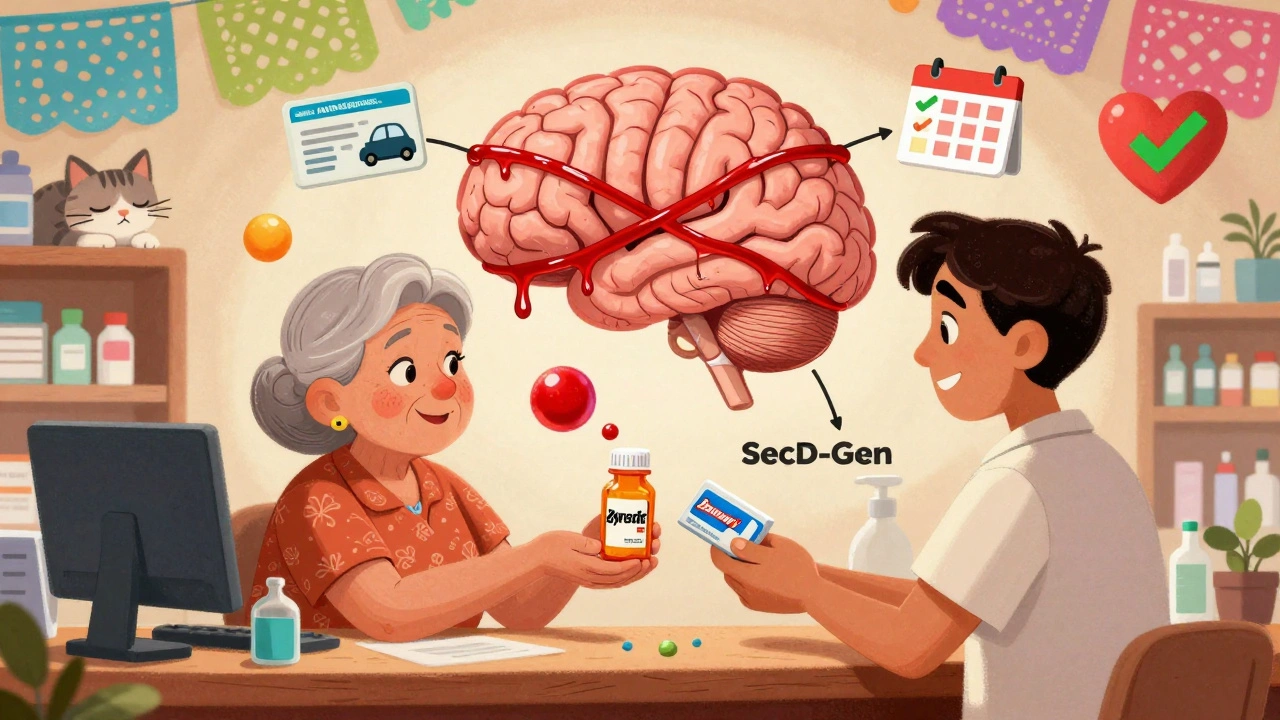
First-generation antihistamines like diphenhydramine (Benadryl), chlorpheniramine (Chlor-Trimeton), and promethazine (Phenergan) were developed in the 1940s. They work by blocking histamine, the chemical your body releases during an allergic reaction. But here’s the catch: they don’t just stop at the allergy sites. Because they’re small and fat-soluble, they easily slip through the blood-brain barrier and affect your brain. That’s why you get sleepy.
About 50-60% of people who take these feel drowsy, according to the Cleveland Clinic. Some even report brain fog, dry mouth, or trouble urinating-especially older adults. These side effects aren’t just annoying; they can be dangerous. Studies show that first-generation antihistamines can slow reaction times by 25% in driving simulations, making them risky for tasks that need focus.
But they’re not useless. Their quick action-often within 30 minutes-makes them useful for sudden allergy flare-ups. If you get stung by a bee or break out in hives after eating peanuts, Benadryl can stop the reaction fast. That’s why they’re still in many first-aid kits. They’re also commonly used as sleep aids because the drowsiness is intentional. And for motion sickness? Promethazine is still a go-to.
Second-Generation Antihistamines: The Non-Drowsy Alternative
Second-generation antihistamines like loratadine (Claritin), cetirizine (Zyrtec), and fexofenadine (Allegra) came onto the scene in the 1980s with one big goal: to block histamine without making you sleepy. And they succeeded. These drugs are designed to be larger or more polar, so they can’t cross into the brain easily. As a result, only 10-15% of users report drowsiness, even at standard doses.
They also last longer. While first-generation pills wear off in 4-6 hours, second-generation ones work for 12 to 24 hours. That means one pill a day instead of three or four. Compliance improves dramatically-85% of people stick with once-daily dosing compared to just 60% for multiple daily doses.
For chronic allergies like seasonal rhinitis or year-round dust mite reactions, second-generation antihistamines are the clear winner. A 2022 meta-analysis found they reduce nasal symptoms by 60-70%, slightly better than first-generation options. They’re also the top choice for doctors: 82% of physicians now prescribe them as first-line treatment, according to the 2023 Medscape Allergy Report.
Which One Works Faster?
Speed matters-if you’re stuck in a room full of pollen and your eyes are watering, you want relief now. First-generation antihistamines hit peak levels in your blood within 30 minutes. Second-generation ones? They take 1-3 hours. That’s why people who take Zyrtec or Claritin for the first time sometimes say, “It didn’t work.” They expected Benadryl speed.
The trick? Take second-generation antihistamines before exposure. If you know you’re going to a park on a high-pollen day, take your pill the night before or first thing in the morning. Don’t wait until you’re sneezing. They’re preventive, not reactive.
First-generation antihistamines are still the emergency tool. Keep Benadryl in your bag if you have a history of sudden reactions. But don’t rely on it daily. The brain fog and fatigue add up over time.

Cost and Accessibility
Price is a big factor for many people. Generic diphenhydramine costs about $4-$6 for 100 tablets. That’s pennies per dose. Generic loratadine or cetirizine? Around $10-$15 for 30 tablets. Brand-name versions like Claritin or Zyrtec can run over $25 a month without insurance.
So why do people pay more? Convenience. One pill a day beats three. No afternoon naps. No missed work. For many, the cost difference is worth it. But if you’re on a tight budget and only need occasional relief, first-generation options still make sense-just use them wisely.
Over-the-counter sales still favor first-generation antihistamines because they’re in multi-symptom cold and flu products. But when it comes to pure allergy relief, second-generation dominates prescriptions-and for good reason.
Real User Experiences
People aren’t just following doctor’s orders-they’re sharing their experiences online. On Reddit’s r/Allergies, 68% of users prefer second-generation antihistamines for daytime use. One user wrote: “Zyrtec lets me function at work without the brain fog Benadryl gives me.”
But for sleep? First-generation wins. On Drugs.com, 52% of users say diphenhydramine helps them sleep better than melatonin when allergies keep them up. It’s not magic-it’s just the sedative effect doing its job.
Amazon reviews tell a similar story. Second-generation antihistamines average 4.2 stars. The top praise? “Non-drowsy.” The top complaint? “Didn’t work fast enough.” First-generation products score 3.8 stars. The most common positive note? “Saved me during sudden attacks.” The most common negative? “Too sleepy for work.”
WebMD’s ratings back this up: Zyrtec scores 7.8/10; Benadryl, 6.2/10. The gap isn’t about effectiveness-it’s about quality of life.
Who Should Use What?
Here’s a simple guide:
- Use second-generation antihistamines (Claritin, Zyrtec, Allegra) if: You have chronic allergies, need to stay alert during the day, want once-daily dosing, or are managing symptoms long-term.
- Use first-generation antihistamines (Benadryl, Chlor-Trimeton) if: You need fast relief for sudden reactions, have trouble sleeping due to allergies, or are treating motion sickness or nausea.
Important note: Even “non-drowsy” antihistamines can cause sleepiness if you take more than the recommended dose. The FDA warns that higher doses of second-generation drugs can lead to sedation in 20% of users.
Also, avoid first-generation antihistamines if you’re over 65. Studies show they can mimic the cognitive effects of low-dose benzodiazepines, increasing fall risk and memory problems. The American Academy of Allergy, Asthma & Immunology advises against long-term use in older adults.
What’s Next? New Options and Combination Therapies
The field isn’t standing still. In 2023, the FDA approved bilastine (not yet available in the U.S.)-a second-generation antihistamine that showed 20% better relief for nasal congestion than existing options. That’s a big deal because most second-generation antihistamines don’t touch congestion well.
Now, combination pills like fexofenadine/pseudoephedrine extended-release are hitting the market. They tackle both histamine and congestion in one dose. And newer versions like desloratadine and levocetirizine are gaining traction, offering slightly stronger effects with the same safety profile.
Experts agree: second-generation antihistamines are the future. But first-generation aren’t going away. They’re just being used differently-targeted, occasional, and intentional.
Bottom Line: Match the Medicine to Your Life
There’s no single “best” antihistamine. The right one depends on your symptoms, schedule, age, and goals. If you’re managing allergies daily and need to stay sharp, go with a second-generation option. If you’re dealing with sudden reactions or need help sleeping, first-generation can still play a role.
Don’t just pick what’s cheapest or what your friend swears by. Talk to your pharmacist. Use an app like the American College of Allergy, Asthma, and Immunology’s “Allergy Relief” tool. Track what works and what doesn’t. Your body will thank you.
Are first-generation antihistamines safe for long-term use?
No, long-term daily use of first-generation antihistamines like Benadryl is not recommended, especially for adults over 65. These drugs have strong anticholinergic effects that can lead to memory problems, confusion, and increased fall risk. Studies show their cognitive impact is similar to low-dose benzodiazepines. For chronic allergies, second-generation antihistamines are safer and more appropriate for daily use.
Can I take second-generation antihistamines every day?
Yes. Second-generation antihistamines like loratadine, cetirizine, and fexofenadine are designed for daily use. They’re non-sedating at standard doses and have excellent safety profiles over time. Many people take them throughout allergy season or year-round without issues. Always follow the label dosage, and talk to your doctor if you’re using them for more than a few months without improvement.
Why does Zyrtec work better than Claritin for some people?
Cetirizine (Zyrtec) is slightly more potent than loratadine (Claritin) in blocking histamine receptors. Clinical trials show it provides 15-20% greater symptom relief in moderate-to-severe allergic rhinitis. It’s also more effective for itchy, watery eyes. However, it’s slightly more likely to cause mild drowsiness-about 10-15% of users, compared to 5-8% for Claritin. If you’re sensitive to sedation, Claritin may be better. If you need stronger relief, Zyrtec often wins.
Is Allegra really non-drowsy?
Yes. Fexofenadine (Allegra) is one of the least sedating second-generation antihistamines. It doesn’t cross the blood-brain barrier effectively and has minimal interaction with the central nervous system. Studies show less than 5% of users report drowsiness at standard doses. It’s often recommended for people who need maximum alertness-like truck drivers, pilots, or those in safety-sensitive jobs.
Can antihistamines cause heart problems?
First-generation antihistamines can occasionally affect heart rhythm, especially in overdose or when mixed with other medications. Second-generation antihistamines like cetirizine, loratadine, and fexofenadine have been extensively studied and show no significant risk of QT prolongation at normal doses. The FDA removed terfenadine (Seldane) from the market in the 1990s due to cardiac risks, but modern second-generation drugs are much safer. Always avoid combining antihistamines with certain antibiotics or antifungals unless approved by your doctor.
Do antihistamines help with congestion?
Most antihistamines help with runny nose, sneezing, and itching-but not much with nasal congestion. That’s because congestion is caused by swollen blood vessels, not histamine alone. Second-generation antihistamines alone often aren’t enough. For congestion, you may need a decongestant like pseudoephedrine. New combination pills (like fexofenadine/pseudoephedrine) now offer both in one dose, making them more effective for full symptom relief.
If you’re still unsure which antihistamine to try, start with a generic second-generation option like cetirizine or loratadine. Keep a symptom diary for a week. Note when you take it, how you feel, and whether your symptoms improve. Talk to your pharmacist-they’ve seen thousands of cases and can help you pick the right one for your body.
Comments (10)
David Palmer
Ugh I took Benadryl last night to sleep and woke up feeling like my brain was wrapped in wet cardboard. Why do people still act like this stuff is fine? It’s not a sleep aid, it’s a chemical nap.
Doris Lee
Same! I switched to Zyrtec last allergy season and my whole life changed. No more midday crashes, no more forgetting where I put my keys. Seriously, if you're using Benadryl daily, try swapping it out. Your future self will thank you.
Michaux Hyatt
Just to clarify something real quick-Zyrtec isn’t magically better than Claritin for everyone. It’s about receptor affinity and individual metabolism. Some folks metabolize cetirizine slower, so it builds up and causes drowsiness. Others clear it fast and get zero sedation. Same with fexofenadine-it’s practically inert in the CNS. Pick based on your body, not the hype.
Raj Rsvpraj
What is this? American pharmaceutical propaganda? In India, we use promethazine for everything-cough, allergy, motion sickness-and we don’t need your overpriced, brain-deadening ‘second-gen’ nonsense. Our grandparents took diphenhydramine for 50 years and lived to 90. You’re weak. Your bodies are broken by sugar water and Uber Eats.
Jack Appleby
Let’s be precise: the claim that ‘second-generation antihistamines are non-drowsy’ is a marketing myth perpetuated by Big Pharma. The pharmacokinetic data shows that even fexofenadine-despite its polar structure-can induce mild CNS depression in CYP3A4 poor metabolizers. And let’s not forget that the FDA’s 20% sedation threshold for second-gen drugs was derived from placebo-controlled trials with suboptimal blinding. Also, ‘non-drowsy’ is a legal loophole. They’re just less sedating, not sedation-proof. And yes, I’ve read the original 1988 JACI paper.
Frank Nouwens
It is, indeed, a matter of considerable interest to observe the evolution of antihistaminic pharmacology over the past seven decades. The transition from lipophilic, centrally-acting agents to hydrophilic, peripherally-restricted compounds reflects a broader paradigm shift in therapeutic intent-from symptomatic suppression to functional preservation. One might even argue that the societal preference for non-sedating formulations mirrors our collective aversion to vulnerability.
Kaitlynn nail
It’s not about the drug. It’s about how you’re living. If you’re allergic to pollen but still go running at 7am, you’re asking for trouble. The medicine’s just a bandaid on a broken lifestyle.
Aileen Ferris
zrytec dont work at all for me i swears its just sugar pills the pharmas want us to buy em so they can charge 20 bucks a bottle
Rebecca Dong
EVERYONE KNOWS THE FDA AND PHARMA ARE LYING. Benadryl doesn’t make you sleepy-it’s the fluoride in the water that’s making you tired. They made Zyrtec to distract you from the real problem: 5G towers are amplifying histamine receptors. I’ve been taking raw apple cider vinegar and grounding myself in the backyard since 2021. My allergies vanished. No pills. No lies. Wake up.
Michelle Edwards
Just wanted to say-thank you for writing this. I’ve been scared to ask my doctor about switching from Benadryl because I didn’t want to sound silly. But reading this made me feel like it’s okay to want to feel like myself again. I’m trying Zyrtec next week. Fingers crossed.