
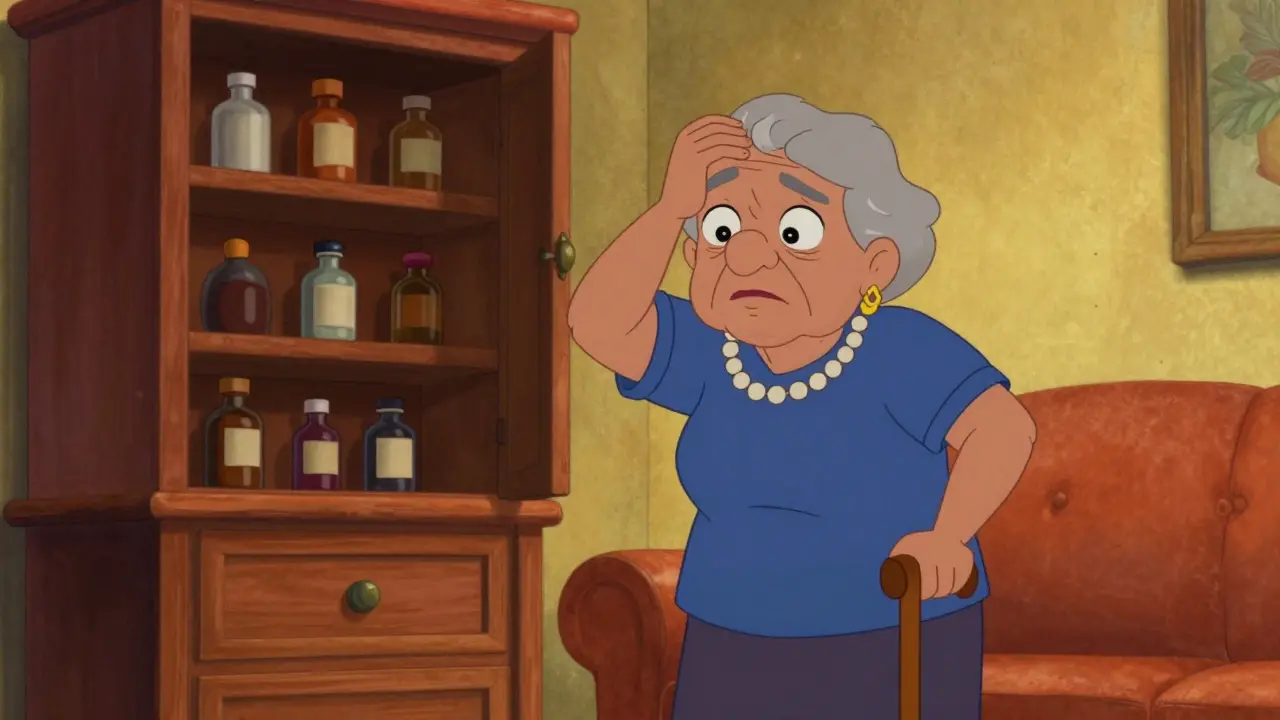
Imagine your grandmother taking a pill for an itchy rash or trouble sleeping. It’s a common over-the-counter medicine, something you might keep in your own cabinet. But the next morning, she’s confused, thinking she’s somewhere else, or she stumbles and falls. This isn’t just bad luck. It’s a known reaction to certain allergy and sleep medications in older adults. The medicine cabinet can be a dangerous place if you don’t know which pills affect the aging brain differently.
We often assume that because a drug is available without a prescription, it’s safe for everyone. That’s a big mistake when it comes to seniors. The body changes as we age, and how it processes chemicals shifts dramatically. What works fine for a 30-year-old can cause serious confusion or even permanent brain changes in someone over 65. Today, we are going to look at why antihistamines are a major risk for the elderly and what you can do to keep your loved ones safe.
The Hidden Danger in Common Pills
Many people don’t realize that the same active ingredient is found in dozens of different products. You might buy a sleep aid, a cold remedy, or an allergy tablet without checking the label closely. These products often contain first-generation antihistamines. These are older medications that were developed decades ago and are known to cross into the brain easily. The most common names you will see are Diphenhydramine (often sold as Benadryl) and Doxylamine (found in Unisom).
These drugs were designed to block histamine, which causes allergy symptoms like sneezing and itching. However, they also block another chemical in the brain called acetylcholine. This chemical is crucial for memory, alertness, and muscle control. When you block it, you get side effects like drowsiness and dry mouth. For a young person, this might just mean a nap. For an older adult, it can mean losing the ability to navigate their own home or remember what they just said.
Research shows that these medications are linked to a significant increase in falls. A major study found that elderly patients using these drugs had more than double the risk of falling and breaking a bone compared to those who didn’t take them. This isn’t a small risk. A hip fracture in an older person can lead to a loss of independence or even death within a year. Yet, sales data shows that millions of these pills are still bought every year by people over 65.
Why Aging Bodies React Differently
Why does the same pill hurt a senior but not a younger adult? It comes down to biology. As we get older, our bodies produce less acetylcholine naturally. It’s like the battery in your phone is already running low. When you take a drug that blocks acetylcholine, you are essentially cutting the power completely. Experts call this the "double whammy" effect. The medication blocks what little the body has left, leading to severe confusion.
Another factor is the Blood-Brain Barrier. This is a protective layer that keeps harmful substances out of the brain. First-generation antihistamines are chemically built to slip right past this barrier. They are "lipophilic," meaning they love fat and can easily cross into brain tissue. Second-generation antihistamines are built differently. They are polar molecules, which makes them too bulky or charged to cross the barrier easily. This keeps them out of the brain, where they can cause trouble, and leaves them to work in the rest of the body.
Metabolism also slows down with age. The liver and kidneys, which clean drugs out of the body, don’t work as fast as they used to. A pill that would be gone in four hours for a 40-year-old might stay in an 80-year-old’s system for 24 hours or more. This means the side effects last much longer, often causing "hangover" effects the next day that increase fall risk.
First vs. Second Generation: A Safety Comparison
Understanding the difference between the two types of antihistamines is the most important step in protecting seniors. Not all allergy meds are created equal. The second-generation options are specifically designed to be safer for the brain. They still treat allergies effectively but without the heavy sedation or confusion.
| Feature | First-Generation (Avoid) | Second-Generation (Safer) |
|---|---|---|
| Common Names | Diphenhydramine (Benadryl), Doxylamine (Unisom) | Cetirizine (Zyrtec), Loratadine (Claritin), Fexofenadine (Allegra) |
| Brain Penetration | Crosses Blood-Brain Barrier easily | Minimal to no brain penetration |
| Confusion Risk | High (Anticholinergic effects) | Very Low |
| Fall Risk | Significantly Increased (2x risk) | No significant increase |
| Drowsiness | Common and severe | Rare or mild |
Notice the names in the safer column. These are the ones you should look for if an older adult needs allergy relief. They are often non-drowsy by design. While no medication is 100% risk-free, the gap in safety between these two groups is massive. The American Geriatrics Society explicitly lists the first-generation drugs as "potentially inappropriate" for older adults in their Beers Criteria. This is a standard guideline used by doctors to prevent medication errors in nursing homes and clinics.

The Confusion and Dementia Connection
It’s not just about falling down. There is a scary link between these drugs and long-term brain health. Some studies suggest that long-term use of anticholinergic medications can increase the risk of dementia. One large study tracked volunteers for seven years and found that those who used these drugs for three years or more had a 54% higher risk of developing dementia compared to those who used them for less time.
Acute confusion, often called delirium, is even more common. Caregivers report seeing "sundowning" behavior-where a senior becomes agitated and confused in the evening-after taking a sleep aid like Benadryl. This behavior often stops as soon as the medication is discontinued. It’s a reversible condition, but it’s terrifying for families to witness. The confusion can make a person think they need to leave the house, pack bags, or call the police, even when they are safe at home.
Other side effects are physical but equally dangerous. These drugs dry out the body’s fluids. This leads to dry mouth, which can cause dental issues and swallowing problems. It also causes urinary retention, where the person can’t pee. In older men with prostate issues, this can be a medical emergency. Constipation is another major issue, which can lead to bowel blockages. The old medical mnemonic describes these effects perfectly: "blind as a bat, dry as a bone, red as a beet, mad as a hatter, and hot as a hare."
Hidden Sources of Antihistamines
The tricky part is that these drugs aren’t just in allergy bottles. They are hidden in many "multi-symptom" products. If you buy a nighttime pain reliever, a cough syrup, or a cold and flu combo, check the label. Many of these contain Diphenhydramine or Doxylamine to help you sleep, but they carry the same risks as the allergy pills.
Even some prescription sleep aids contain similar anticholinergic properties. It’s vital to check every bottle, box, and blister pack. If a senior is taking a pill for sleep, ask if it contains these ingredients. Often, there are safer ways to help with sleep that don’t involve blocking brain chemicals. Melatonin, for example, works differently and doesn’t carry the same high risk of falls or confusion, though it should still be discussed with a doctor.
Safe Alternatives and Management Strategies
If an elderly person has allergies, they still need relief. The goal is to treat the symptoms without the brain fog. Second-generation antihistamines like Loratadine or Cetirizine are the standard of care. They are effective for most allergy symptoms like runny nose and itchy eyes. For sleep issues, non-drug methods are better. Keeping a regular sleep schedule, reducing screen time before bed, and ensuring the room is comfortable can help.
For environmental allergies, try to remove the triggers. HEPA air filters can clean the air in the bedroom. Washing bedding in hot water kills dust mites. Saline nasal sprays can flush out allergens without using drugs. These methods address the root cause rather than masking the symptoms with chemicals that hurt the brain.
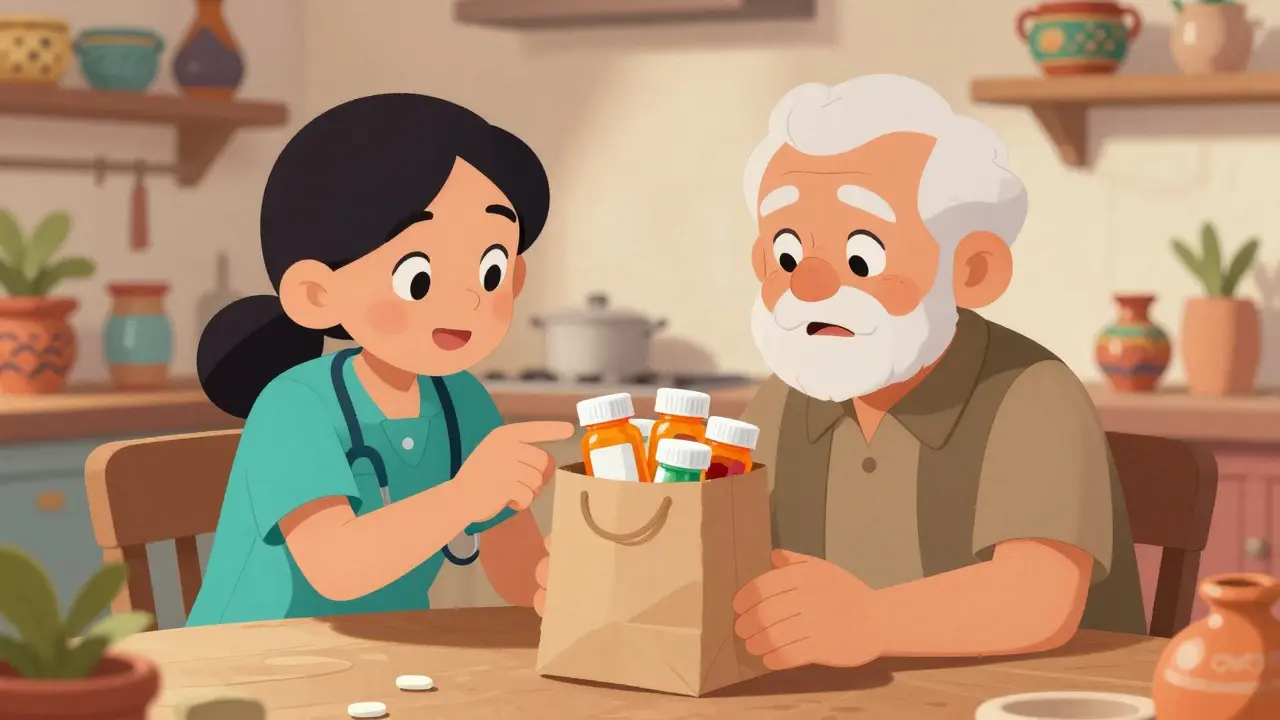
Regular medication reviews are essential. Doctors and pharmacists should check the medication list at least once a quarter. This is called a "brown bag review," where you bring all the bottles to the appointment. Ask specifically: "Does this contain any anticholinergics or first-generation antihistamines?" If the answer is yes, ask if there is a safer alternative. The Beers Criteria is a tool doctors use to flag these drugs, so mentioning it can help start the conversation.
What Families Can Do Today
Start by looking at the medicine cabinet. If you see bottles of Benadryl, Unisom, or Tylenol PM, check the expiration date and the active ingredients. If they are for a senior, consider replacing them with safer options. Talk to the doctor about why these specific drugs were prescribed. Sometimes they are used for nausea or motion sickness, but even then, there are often safer alternatives available.
Be an advocate. In hospitals and nursing homes, staff might reach for these drugs to manage behavior or sleep quickly. If you see a loved one receiving them, ask if they are necessary. In many facilities, quality ratings depend on minimizing these high-risk medications. Your voice matters in ensuring the care plan prioritizes safety over convenience.
Education is the best defense. Share this information with other caregivers. Many people don’t know that a simple sleep aid can cause a fall. By spreading the word, you can prevent accidents before they happen. The data is clear: avoiding first-generation antihistamines in the elderly is one of the most impactful safety changes we can make in healthcare today.
Is Benadryl safe for seniors to take for allergies?
No, Benadryl (Diphenhydramine) is generally not safe for seniors. It is a first-generation antihistamine that crosses the blood-brain barrier, causing confusion, drowsiness, and a high risk of falls. Safer alternatives like Loratadine or Cetirizine should be used instead.
What are the signs of antihistamine toxicity in the elderly?
Signs include sudden confusion, disorientation, dry mouth, difficulty urinating, rapid heart rate, and extreme drowsiness. In severe cases, it can lead to hallucinations or delirium, often mistaken for dementia.
Which allergy medications are safe for older adults?
Second-generation antihistamines are considered safer. These include Cetirizine (Zyrtec), Loratadine (Claritin), and Fexofenadine (Allegra). They do not cross the blood-brain barrier as easily and have fewer side effects.
Can antihistamines cause dementia?
Long-term use of anticholinergic medications, including first-generation antihistamines, has been linked to a higher risk of dementia in studies. Reducing or stopping these drugs can sometimes improve cognitive function.
Why do seniors fall more often after taking sleep aids?
Many sleep aids contain first-generation antihistamines that cause dizziness and next-day sedation. This impairs balance and reaction time, significantly increasing the risk of falls and fractures, especially at night.
Next Steps for Caregivers
If you are caring for an older adult, make a plan. Schedule a medication review with their primary care physician. Bring a list of all supplements and over-the-counter drugs. Ask specifically about the Beers Criteria and request a switch to second-generation options if necessary. Monitor for changes in behavior after any new medication is introduced. If confusion starts, stop the medication and call the doctor immediately. Your vigilance can protect their health and independence for years to come.
Comments (15)
Elaine Parra
This poison killed my grandmother.
rebecca klady
Yeah I saw that happen to my aunt.
Aaron Sims
Oh my god! This is crazy!! They should have told us about this!!
Darlene Gomez
Don't be cynical, this is real science.
Donna Fogelsong
pharmaceutical corporations suppress data regarding anticholinergic toxicity mechanisms within geriatric populations while prioritizing profit margins over human safety protocols and we need to wake up to the reality of the situation regarding these chemical agents
Linda Foster
The data supports the claims made here.
Rachele Tycksen
i thnk we shd check labels on all meds
Korn Deno
aging changes everything in the body
Pat Fur
I will check my parents cabinet.
Anil Arekar
It is vital that we understand the physiological changes. The elderly population requires distinct medical attention. Medication metabolism slows significantly with age. First-generation antihistamines pose a severe threat. The blood-brain barrier becomes more permeable. Cognitive decline is a serious concern for families. We must advocate for safer pharmaceutical alternatives. Second-generation options provide necessary relief without harm. Caregivers should review all medication lists regularly. Pharmacists play a crucial role in patient safety. Education prevents unnecessary hospitalization and falls. The Beers Criteria offers a clear guideline for doctors. We cannot ignore the link to dementia risks. Families need to be proactive in their approach. Protecting our elders is a collective responsibility.
Jesse Hall
So scary! :(
winnipeg whitegloves
A chemical labyrinth of danger awaits the unwary.
Grace Kusta Nasralla
It breaks my heart to read this.
Rama Rish
gud to no
Jacob Hessler
stop giving old people poison