
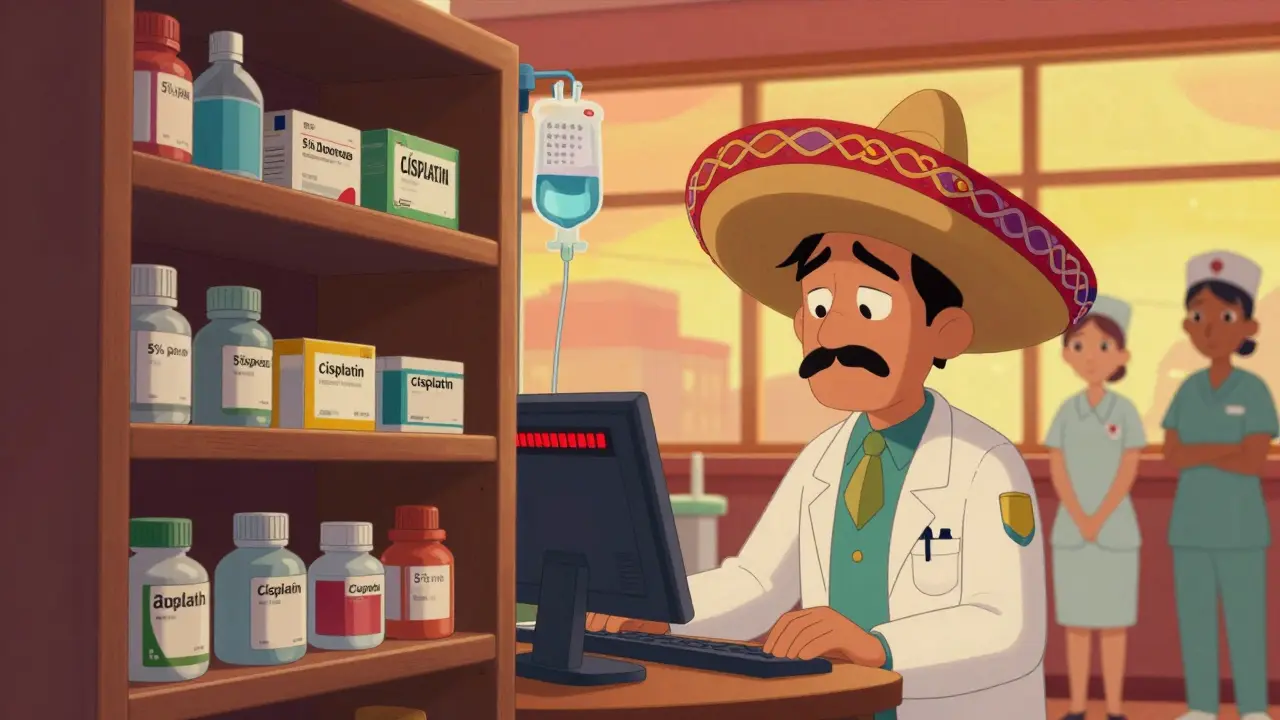
As of December 2025, more than 270 medications are still in short supply across the United States - a number that hasn’t dropped below 250 since 2022. This isn’t a temporary hiccup. It’s a systemic failure that’s forcing doctors to delay treatments, hospitals to ration life-saving drugs, and patients to wait weeks for basic therapies. If you or someone you know relies on chemotherapy, IV fluids, or even common antibiotics, you’re likely feeling the impact right now.
What’s Actually in Short Supply?
The most critical shortages aren’t obscure drugs - they’re the ones you’d expect to find on every hospital shelf. Here’s what’s running out:- 5% Dextrose Injection (small volume bags) - Used to deliver medications and hydrate patients. Shortage started in February 2022, expected to last until August 2025.
- 50% Dextrose Injection - Critical for treating severe low blood sugar. Shortage began in December 2021, with no clear end date.
- Cisplatin - A top chemotherapy drug for testicular, ovarian, and lung cancers. A 2022 FDA shutdown of an Indian manufacturing plant cut supply by half. Hospitals now ration it, prioritizing patients with the best survival odds.
- Vancomycin - One of the last-resort antibiotics for deadly infections. Shortages have worsened as resistant bacteria spread.
- Levothyroxine - The main treatment for hypothyroidism. Demand has surged 30% since 2020, but production hasn’t kept up.
- GLP-1 agonists (e.g., semaglutide, liraglutide) - Used for diabetes and weight loss. Demand jumped 35% annually since 2020. Pharmacies now limit prescriptions to 30-day supplies.
- Saline solution (0.9% sodium chloride) - Used in nearly every hospital procedure. Even basic IV fluids are running low in many rural clinics.
These aren’t rare cases. The American Society of Health-System Pharmacists (ASHP) says 63% of hospital pharmacists spend over 10 hours a week just tracking down available drugs. That’s 10 hours they’re not spending on patient care.
Why Are These Drugs So Hard to Find?
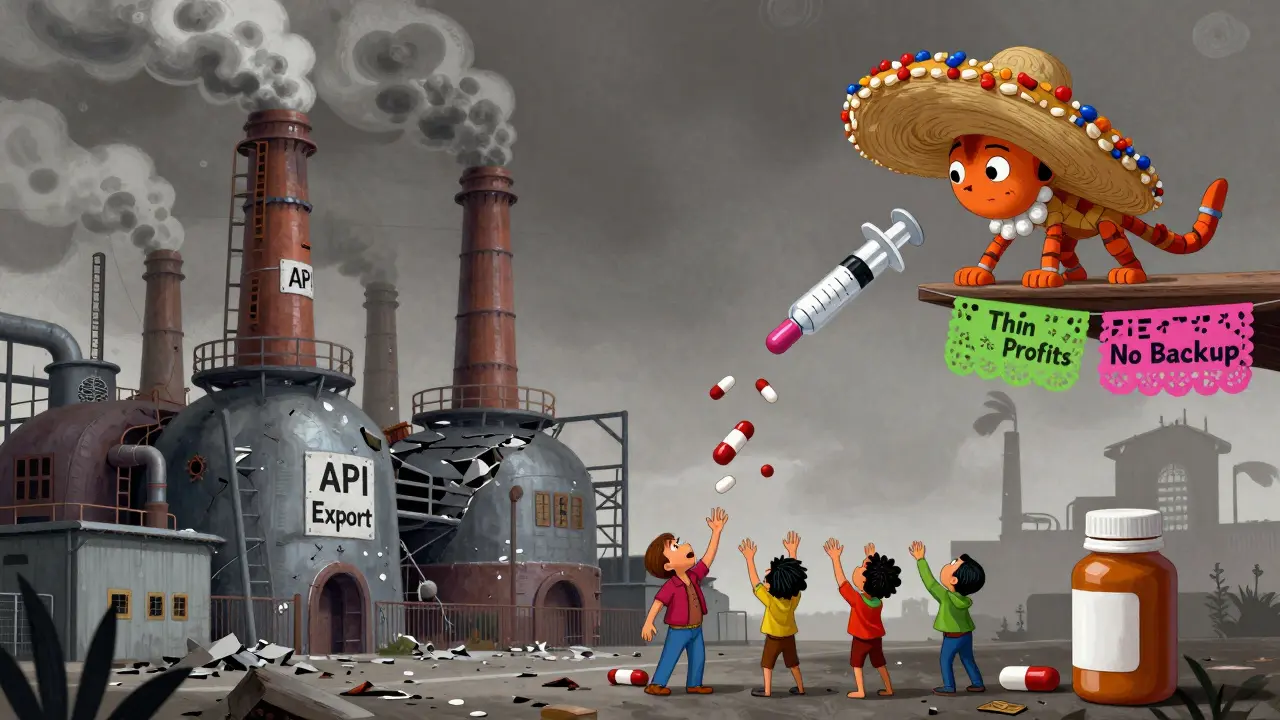
It’s not just bad luck. The problem is built into how the system works.Over 80% of the raw ingredients for U.S. drugs come from just two countries: India and China. India supplies 45% of active pharmaceutical ingredients (APIs), and China supplies 25%. When a factory in Hyderabad fails an FDA inspection - like the one that halted cisplatin production - it doesn’t just affect one hospital. It affects every patient in the country who needs that drug.
Generic drugs make up 90% of prescriptions but only 20% of drug revenue. Manufacturers make razor-thin profits - often just 5% to 8% - so they have no incentive to invest in backup equipment, extra staff, or local warehouses. When a machine breaks or a shipment gets delayed, they don’t have the cash to fix it fast.
Brand-name drugs? They’re less affected. Companies like Pfizer or Merck make 30% to 40% profit margins. They keep domestic production lines running and have buffer stock. But for the cheap, essential meds that most people rely on? No safety net.
Who’s Getting Hurt?
Patients aren’t just inconvenienced - they’re being put at risk.According to a 2024 AMA survey, 78% of physicians reported treatment delays because of drug shortages. Nearly half said they had to switch patients to less effective alternatives. One oncologist in Ohio told Reddit users that his team had to delay cisplatin for a 24-year-old with ovarian cancer because the hospital only had enough for patients with testicular cancer - where the drug works best. That patient waited 18 days. Her cancer progressed.
For cancer patients, the average delay due to shortages is 14.7 days. That’s not just a wait. It’s a window where tumors grow, spread, and become harder to treat.
Even simple conditions are affected. A diabetic patient who can’t get levothyroxine for a month may develop heart problems. A child with a severe ear infection might not get vancomycin on time and could face permanent hearing loss.
And it’s not just hospitals. Community pharmacies are running out too. In rural areas, patients are driving 50 miles to find saline or insulin. Some are skipping doses. Others are buying from unregulated online sellers - a dangerous gamble.
What’s Being Done?
The FDA says it prevents about 200 potential shortages every year by stepping in early - warning manufacturers, inspecting plants, or fast-tracking approvals. But they don’t have the power to force companies to make more. They can’t mandate production.Some states are trying their own fixes. New York is building a public database so patients and providers can see which pharmacies still have a drug in stock. Hawaii now allows Medicaid to cover foreign-approved versions of drugs during shortages - something the FDA normally blocks.
Pharmacists are stepping in too. In 47 states, they can swap a shortage drug for a therapeutically equivalent one. But only 19 states let them do it without calling a doctor first. That means delays - sometimes hours - while waiting for approval.
ECRI, a healthcare safety group, recommends hospitals keep a 30-day emergency stock of critical drugs. But only 28% of hospitals can afford it. The cost? $100,000 to $500,000 per facility. Most can’t justify it when the next shortage might be months away.
What You Can Do
If you’re taking a medication that’s in short supply, here’s what works:- Call your pharmacy ahead. Don’t assume they have it. Ask if they’re expecting a shipment this week.
- Ask your doctor about alternatives. For many drugs - like levothyroxine or certain antibiotics - there are generics or similar drugs that work just as well.
- Don’t stockpile. Hoarding makes shortages worse. If you need 30 days’ worth, get 30 days’ worth. Taking extra puts others at risk.
- Report a shortage. If your pharmacy runs out and the FDA’s list doesn’t show it yet, report it at fda.gov/drugshortages. The FDA’s new portal has already acted on over 1,000 reports since January 2025.
- Stay informed. Bookmark the ASHP Drug Shortages Database. It’s updated daily and lists expected resolution dates.
What’s Next?
The Congressional Budget Office predicts drug shortages will stay above 250 until at least 2027. If new tariffs on Chinese and Indian pharmaceuticals go through - as some lawmakers are pushing - that number could jump to 350 or higher.The real solution? Fix the supply chain. Build domestic API production. Fund incentives for manufacturers to keep backup lines running. Create a national early warning system that connects manufacturers, distributors, and hospitals in real time.
Until then, the burden falls on patients, pharmacists, and doctors - who are doing their best with broken tools.
What are the most common drugs in shortage right now?
The most common shortages include 5% and 50% Dextrose injections, cisplatin (a chemotherapy drug), vancomycin (an antibiotic), levothyroxine (for thyroid conditions), GLP-1 drugs like semaglutide, and saline IV fluids. These are not rare or experimental medications - they’re essential for daily care in hospitals and clinics.
Why are generic drugs more likely to be in short supply than brand-name drugs?
Generic drugs make up 90% of prescriptions but only 20% of drug revenue. Manufacturers earn just 5% to 8% profit per generic, compared to 30% to 40% for brand-name drugs. With thin margins, they can’t afford to invest in backup production, quality control systems, or inventory buffers. When a factory shuts down or demand spikes, there’s no safety net.
Can I substitute a different drug if mine is unavailable?
In 47 states, pharmacists can substitute a therapeutically equivalent drug during a shortage. But only 19 states allow them to do it without calling your doctor first. Always ask your pharmacist - they’re trained to know which alternatives are safe. Never switch drugs on your own.
Are drug shortages getting worse?
Yes. After peaking at 323 shortages in early 2024, the number dropped slightly to 270 by April 2025 - but it’s still far above the 100-150 range seen before 2020. The root causes - overseas manufacturing, low profits for generics, and lack of regulation - haven’t changed. Without policy changes, shortages will stay high or get worse.
How do I know if a drug I take is in shortage?
Check the ASHP Drug Shortages Database (ashp.org/drug-shortages). It’s updated daily and lists active shortages, expected resolution dates, and reasons for the shortage. You can search by drug name or category. If your pharmacy says they’re out, but the database doesn’t list it, report it to the FDA’s new shortage reporting portal.
Comments (11)
Janelle Moore
they're putting poison in the IV bags on purpose. i heard from a nurse friend who works at mayo that the fda and big pharma are colluding to make people sick so they buy more drugs. they even add fluoride to the saline to slow down your metabolism. that's why levothyroxine is gone-because they want you to be hypothyroid so you'll need more pills. don't trust anything you see on the FDA site. it's all fake.
Carolyn Benson
we’ve turned healthcare into a commodity instead of a right. the moment you treat medicine like a stock market asset-where profit margins dictate who lives and who dies-you’ve already lost your soul. these aren’t shortages. they’re engineered scarcity. the system doesn’t break because it’s broken-it breaks because it was designed this way to control populations under the illusion of care.
Chris porto
i think we’re missing the bigger picture. it’s not just about india and china-it’s about how we stopped valuing basic infrastructure. we outsourced everything because it was cheaper, but we forgot that medicine isn’t like shoes or phones. you can’t just switch suppliers overnight when someone’s life depends on it. maybe we need to start treating pharma like public utilities-regulated, reliable, and not profit-driven.
jessica .
the chinese are stealing our medicine supply. they control 25% of the apis and they're holding it hostage. why are we letting a communist regime decide if my grandma gets her heart meds? we need to ban all imports from china and india right now. build the factories here. put the jobs back. america first. also the fda is corrupt. they take bribes. ask me how i know.
Ryan van Leent
why are we even talking about this like it's a surprise? everyone knows generics are trash. nobody makes money on them so nobody cares. just pay more for brand names if you want it to work. stop being poor. also why are we letting pharmacists swap drugs? that's how people die. doctors know best. dumbass state laws letting pharmacists decide what you take. fix the people not the system
Sajith Shams
you people act like india is the villain. we make 45% of your APIs because your own factories closed in the 90s. we have better quality control than your local plants ever did. your problem isn't us-it's your greedy middlemen who buy the cheapest stuff and then blame the manufacturer when it breaks. you want more supply? pay us fairly. stop demanding $0.02 pills and then crying when they're unavailable.
Glen Arreglo
my cousin works in a rural clinic in west virginia. they ran out of saline for three weeks last winter. people came in with dehydration, and they had to use bottled water and salt packets to make IV fluid by hand. no one died. no one complained. they just made it work. we don't need a national database or federal mandates. we need communities to take care of each other again. maybe if we stopped expecting everything to be handed to us on a silver tray, we'd stop being so fragile.
shivam seo
australia has the same problem but we just import from europe and canada. no one here is crying about it because we have a national health system. you americans act like you're the only ones with medicine shortages. you're not. you're just the only ones who treat healthcare like a luxury. also why are you still using 5% dextrose? it's 2025. there are better electrolyte solutions. stop clinging to outdated tech.
benchidelle rivera
if you're taking levothyroxine or vancomycin and you're worried about shortages, talk to your pharmacist. they know what's available. ask about therapeutic alternatives. don't panic. don't hoard. don't go online and buy from shady sites. your health is worth more than a gamble. i've seen too many people lose their lives because they thought they knew better than the experts. trust the process. ask questions. be patient. we're all in this together.
Isabel Rábago
the real sin here isn't the shortage-it's that people still think this is normal. we let corporations decide who lives and who dies based on profit margins. if your kid needs cisplatin and your insurance doesn't cover the 'preferred' brand, you're out of luck. that's not healthcare. that's eugenics with a white coat. and the worst part? you're all still voting for the same people who made this happen.
Ashley Bliss
i lost my brother to a delayed chemo cycle because they ran out of cisplatin. they gave him some other drug that didn't work. he was 29. they told us it was a 'temporary shortage.' temporary? six months later he was gone. now i see people online saying 'just call your pharmacy' like that's some magic fix. it's not. it's a death sentence wrapped in a customer service script. we're not talking about inconveniences. we're talking about bodies piling up because no one had the guts to fix this before it was too late.