
Abbreviated New Drug Application: How Generic Drugs Get Approved in the U.S.
When you pick up a generic pill at the pharmacy, you’re holding a product approved through the Abbreviated New Drug Application, a streamlined FDA pathway for generic drugs to prove they work just like the brand-name version. Also known as ANDA, it’s the legal engine behind most of the affordable medications you use every day. Without it, generic drugs would take years and millions to get approved—just like brand-name drugs. But the ANDA process cuts that time and cost by letting companies skip expensive clinical trials, as long as they prove one thing: their drug is bioequivalent.
The Hatch-Waxman Act, the 1984 law that created the ANDA system. Also known as Drug Price Competition and Patent Term Restoration Act, it balanced two goals: letting generics in fast, and protecting brand-name drug patents. This law didn’t just change how drugs are approved—it changed how Americans pay for medicine. Today, over 90% of prescriptions in the U.S. are filled with generics, mostly because of ANDA. But it’s not just about cost. The FDA, the U.S. agency that reviews and approves all drug applications. Also known as U.S. Food and Drug Administration, it checks every ANDA submission for identical active ingredients, strength, dosage form, and manufacturing quality. No shortcuts on safety. That’s why a generic ibuprofen from a store brand works just like Advil, and why your doctor can confidently switch you to a cheaper version. The FDA doesn’t just approve the pill—it inspects the factory where it’s made, often with unannounced visits. If a plant fails inspection, the ANDA gets blocked, no matter how good the science looks on paper.
What you’ll find in this collection are real, practical stories behind the ANDA process. You’ll read about how combination heart meds became affordable polypills, why Americans pay less for generics than Europeans, and how insurance formularies decide which generics to cover. You’ll see how patient hesitation around generics isn’t about science—it’s about perception. And you’ll learn how the FDA’s rules on expiration dates and manufacturing inspections keep these cheap drugs safe, even during shortages. This isn’t a dry regulatory guide. It’s a look at how the ANDA system touches your wallet, your health, and your daily routine.
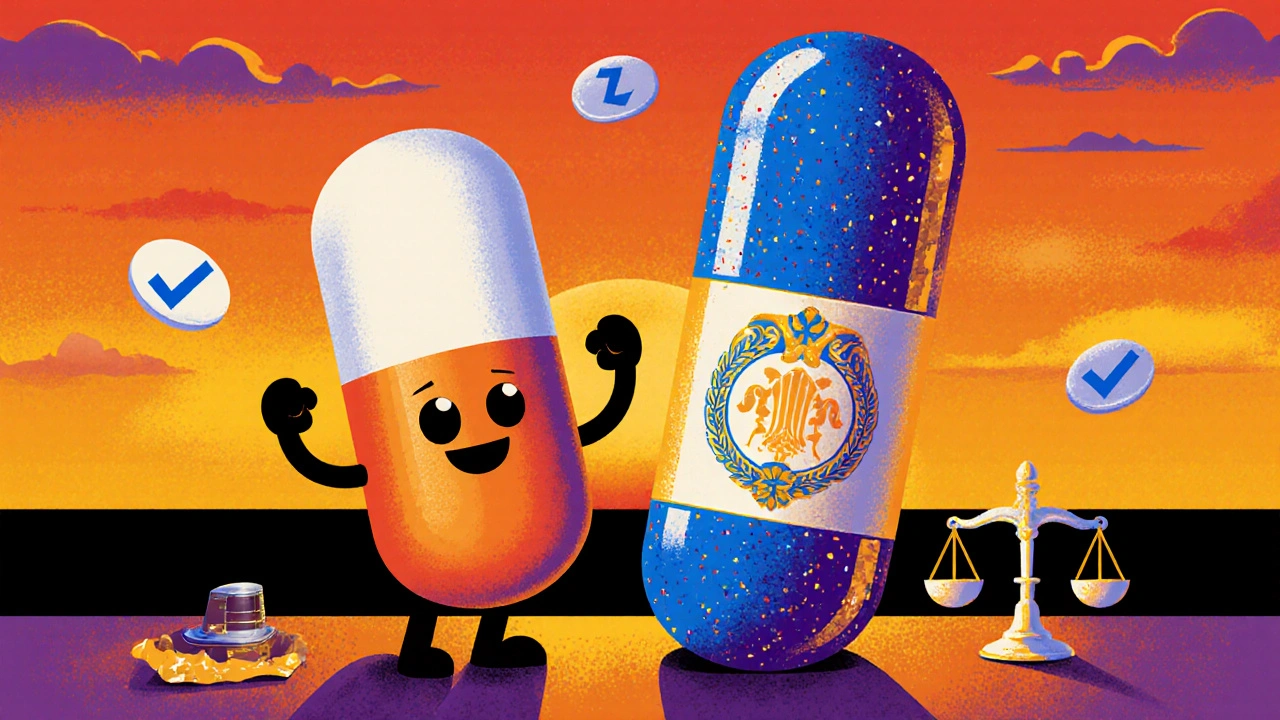
FDA’s Abbreviated New Drug Application Process Explained: How Generic Drugs Get Approved
The FDA's ANDA process lets generic drugs reach the market faster and cheaper by proving they're equivalent to brand-name drugs-saving billions annually. Here's how it works, why it matters, and what delays approvals.
read more