
Antihistamines and Alcohol: What You Need to Know
When you take antihistamines, medications used to block histamine and treat allergies, colds, or hives. Also known as allergy pills, they help with runny noses, itchy eyes, and sneezing. Many people don’t realize how strongly they interact with alcohol, a central nervous system depressant that slows brain activity. Together, they can turn a simple evening into something dangerous. This isn’t just about feeling sleepy—it’s about your body struggling to stay safe.
First-generation antihistamines like diphenhydramine (Benadryl) and chlorpheniramine are the biggest concern. They cross into your brain and calm it down—exactly what alcohol does too. When you mix them, your brain gets doubly slowed. Your reaction time drops. Your coordination fades. You might not even realize how impaired you are until you try to drive, operate machinery, or even walk without stumbling. Studies show this combo increases the risk of falls and car crashes, especially in older adults. Even one drink with a standard dose of these antihistamines can push you past safe limits. Second-generation ones like loratadine or cetirizine are less likely to cause drowsiness, but alcohol can still make their side effects worse. If you’re taking any antihistamine for allergies, colds, or sleep, assume alcohol will make it stronger—until you know otherwise.
It’s not just about drowsiness. Your liver has to process both substances at once. That extra load can delay how fast your body clears each one, leaving you feeling off longer than expected. Some people report blurred vision, dry mouth, or even confusion when they mix the two. People with breathing problems, like asthma or COPD, are at higher risk because both alcohol and antihistamines can suppress the drive to breathe. If you’re on other meds—like painkillers, sleep aids, or anxiety drugs—the danger multiplies. This isn’t a myth. It’s a common cause of ER visits that could’ve been avoided.
You don’t need to give up alcohol forever, but you do need to be smart. If you take antihistamines daily for allergies, skip the wine or beer. If you only take them occasionally, wait at least 6 to 8 hours after your last dose before drinking. Read the label—many bottles warn about alcohol right on the box. Talk to your pharmacist or doctor if you’re unsure. They’ve seen this mix cause real harm, and they can help you pick safer options. The goal isn’t to scare you—it’s to help you stay in control.
Below, you’ll find real-world advice from people who’ve dealt with this exact issue—how to spot the warning signs, what to do if you’ve already mixed them, and how to manage allergies without risking your safety.
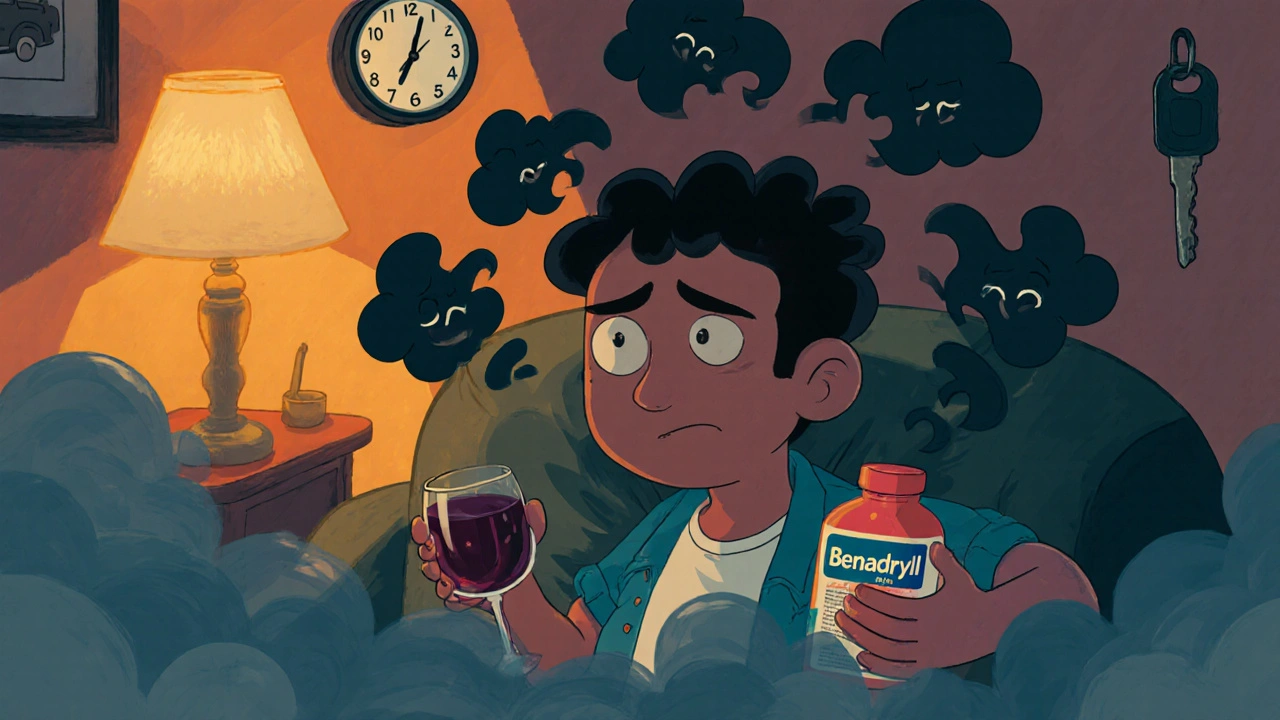
Antihistamines and Alcohol: Why Mixing Them Increases Drowsiness Dangerously
Mixing antihistamines and alcohol can cause extreme drowsiness, impaired coordination, and dangerous accidents. Learn why even 'non-drowsy' options aren't safe with alcohol and what to use instead.
read more