
Claritin and Alcohol: What You Need to Know About Mixing Them
When you take Claritin, a common over-the-counter antihistamine used to treat allergy symptoms like sneezing, runny nose, and itchy eyes. Also known as loratadine, it's designed to work without causing drowsiness in most people—but mixing it with alcohol, a central nervous system depressant that slows brain function can change that equation completely.
Claritin itself doesn't usually make you sleepy, but alcohol does. When you combine them, the sedative effects of alcohol aren't canceled out—they're added to. That means you might feel more tired, dizzy, or uncoordinated than you would with either one alone. Your reaction time slows. Your judgment gets fuzzy. Even if you think you're fine after one drink, your body is working harder to process both substances at once. This isn't just about feeling off—it's about safety. Driving, operating machinery, or even walking down stairs becomes riskier. And if you're older, taking other meds, or have liver issues, the mix can hit harder and last longer.
Some people assume that because Claritin is "non-drowsy," it's safe to drink with. But that label means it's less likely to cause sleepiness than older antihistamines like Benadryl—not that it’s immune to alcohol’s effects. The real danger isn’t always obvious right away. You might not feel drunk, but your body is still under stress. Liver enzymes that break down both Claritin and alcohol can get overwhelmed, leading to longer-lasting side effects or even temporary liver strain. And if you’re using Claritin daily for seasonal allergies, that daily alcohol habit? It’s piling up. You’re not just having a drink with a pill—you’re building a pattern that could quietly affect how your body handles medications long-term.
What you’ll find below are real, practical posts that dig into how medications like Claritin interact with other substances, what side effects really look like in everyday life, and how to spot when something’s off before it becomes a problem. From how alcohol changes the way your body processes drugs to why some people feel worse even with "safe" combinations, these articles give you the facts without the fluff. No guesses. No myths. Just what you need to know to stay safe and in control.
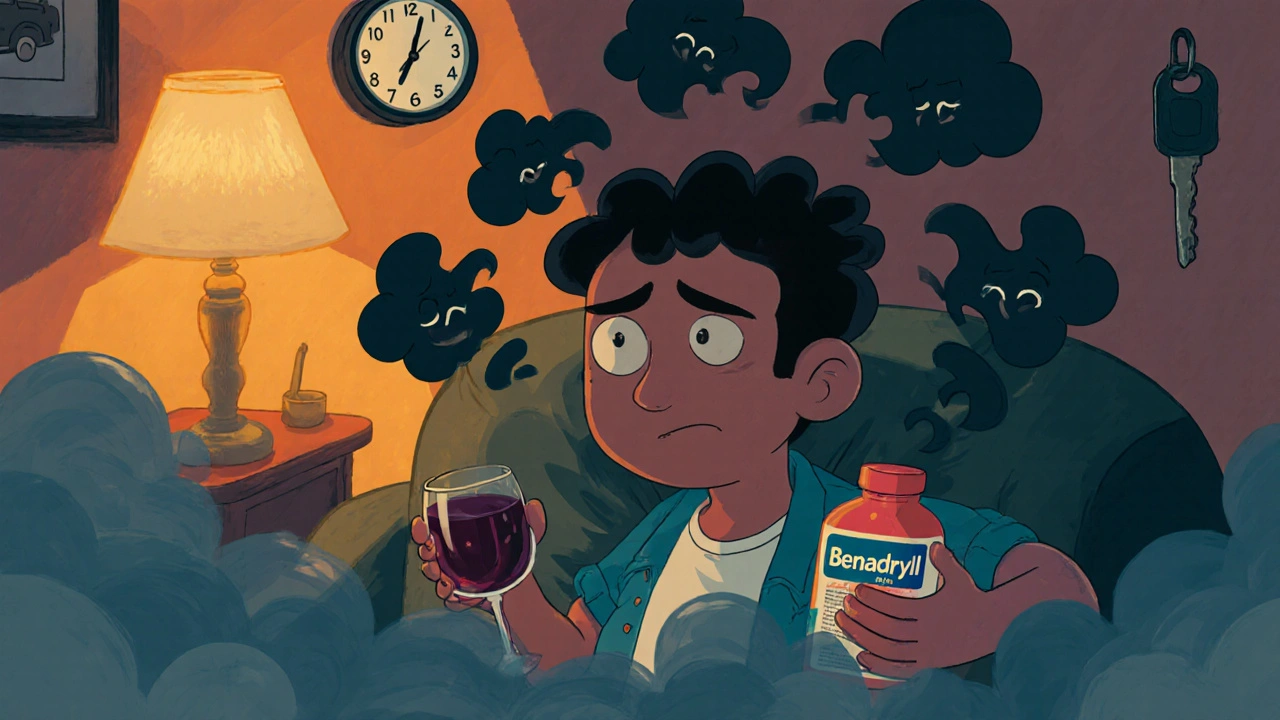
Antihistamines and Alcohol: Why Mixing Them Increases Drowsiness Dangerously
Mixing antihistamines and alcohol can cause extreme drowsiness, impaired coordination, and dangerous accidents. Learn why even 'non-drowsy' options aren't safe with alcohol and what to use instead.
read more