
Critical Drug Shortages: What’s Happening and How to Cope
When a critical drug shortage, a sudden, widespread lack of essential medications that puts patient care at risk. Also known as medication shortage, it happens when manufacturers can’t keep up with demand—due to production failures, raw material delays, or regulatory shutdowns. This isn’t just a backend problem. It’s your prescription sitting empty at the pharmacy counter. It’s your doctor scrambling to find a substitute. It’s your chronic condition slipping out of control because the one pill that kept you stable is gone.
Generic drug availability, the reliable supply of low-cost versions of brand-name medicines is often the first to break. Why? Because generic makers operate on razor-thin margins. A single factory shutdown—like the one at a major Indian plant in 2023 that halted production of metformin—can ripple across the country. You might not realize it, but pharmaceutical supply chain, the global network of raw material suppliers, manufacturers, and distributors that deliver medicines is fragile. It’s built on just-in-time inventory, overseas sourcing, and minimal redundancy. One hurricane, one quality violation, one labor strike—and entire drug classes vanish.
Some of the most common shortages? Insulin, antibiotics like amoxicillin, blood pressure meds like losartan, and even basic IV fluids. Cancer drugs. Epinephrine auto-injectors. Even simple painkillers. These aren’t rare edge cases—they’re recurring crises. And they hit hardest at people who can’t afford alternatives, can’t switch treatments easily, or don’t have the time or knowledge to navigate the chaos.
What can you do? First, know your meds. If you’re on a drug that’s been in short supply before, ask your pharmacist to check inventory before you refill. Second, don’t wait until the last minute. Many pharmacies now let you pre-order 90-day supplies—especially through mail-order services. Third, keep a list of your meds and their generic names. If your usual brand is gone, your doctor might be able to switch you to another version or a similar drug with the same effect.
This isn’t about panic. It’s about preparedness. The system isn’t broken—it’s stretched thin. And while regulators and manufacturers work on fixes, you have more control than you think. The posts below show you exactly how others have handled these situations: how to spot early signs of a shortage, how to talk to your doctor about alternatives, how to use mail-order pharmacies to stay ahead, and what to do when your go-to medication suddenly disappears. No fluff. No theory. Just real strategies from people who’ve been there.
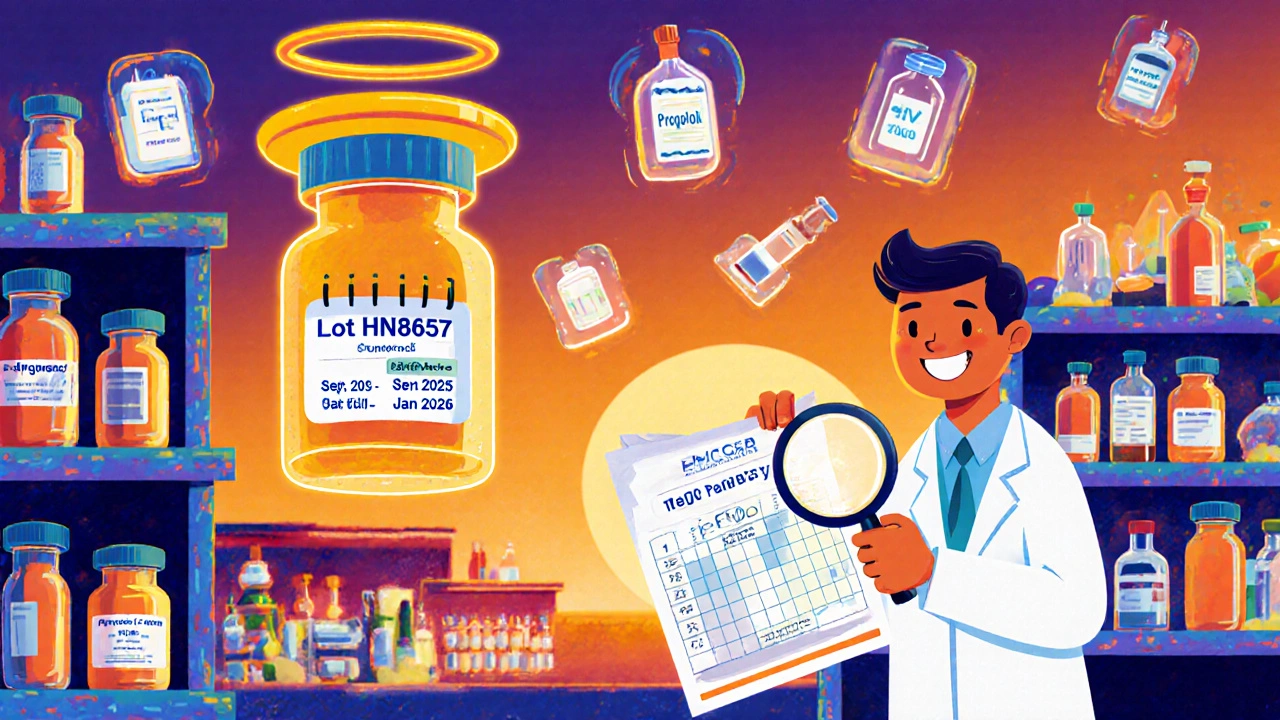
Extended Use Dates: How the FDA Extends Drug Expiration Dates During Shortages
The FDA extends expiration dates of critical drugs during shortages to ensure patient access when supply is low. Learn how the process works, which drugs qualify, and what providers must do to use extended-date medications safely.
read more