
Drug Supply Shortage: Causes, Impact, and What You Can Do
When a drug supply shortage, a widespread lack of available medications due to manufacturing, regulatory, or logistical failures. Also known as medication shortage, it happens when pharmacies can't fill prescriptions because the drug isn't being made or shipped in enough quantity. This isn't just a pharmacy problem—it hits people who rely on daily meds for high blood pressure, diabetes, epilepsy, or mental health. You might show up for your refill and hear, "It's out of stock, and we don't know when it'll be back." That’s not rare anymore. In 2023, over 300 drugs were on the FDA’s shortage list, and many of them are generics you’ve been taking for years.
Why does this happen? It’s not one thing. Sometimes a single factory makes 80% of a drug, and if that plant fails an inspection—like those unannounced FDA inspections, surprise audits that catch unsafe manufacturing practices—production stops. Other times, raw materials get stuck at ports, or a company decides it’s not profitable to keep making a cheap generic. The pharmaceutical supply chain, the global network of factories, shippers, and distributors that move drugs from labs to your medicine cabinet is fragile. One break, and millions go without. Even generic drug availability, the reliable access to lower-cost versions of brand-name medicines isn’t guaranteed anymore. You might think generics are safe because they’re cheap, but when they vanish, you’re stuck paying more or going without.
What does this mean for you? If you take blood pressure meds, antidepressants, or insulin, you’re not just inconvenienced—you’re at risk. Missing a dose can lead to dangerous spikes in pressure, seizures, or worse. That’s why the posts below cover real solutions: how to stretch your supply with a 90-day supply from mail-order pharmacies, how to safely switch to an alternative if your drug disappears, and how to track when your medication might come back. You’ll also find advice on lab monitoring for drugs that need close tracking, how to avoid dangerous substitutions, and how to talk to your doctor when your usual pill isn’t available. This isn’t about panic. It’s about preparation. The system is broken, but you’re not powerless. Below, you’ll find practical steps, real stories, and clear guidance to keep you safe when the shelves are empty.
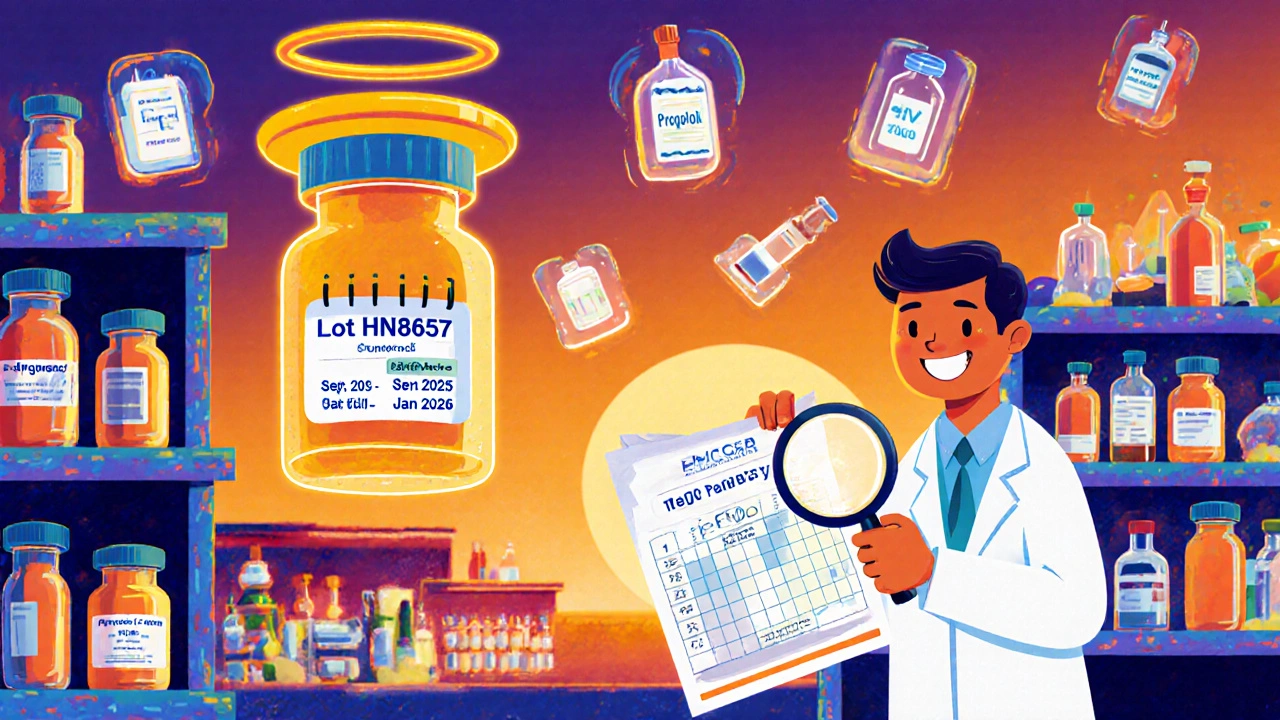
Extended Use Dates: How the FDA Extends Drug Expiration Dates During Shortages
The FDA extends expiration dates of critical drugs during shortages to ensure patient access when supply is low. Learn how the process works, which drugs qualify, and what providers must do to use extended-date medications safely.
read more