
Extended Expiration Dates: What They Mean and How They Affect Your Medications
When you see a drug label with an expiration date, it’s not always the full story. Extended expiration dates, the official prolongation of a drug’s usable life beyond its original printed date based on stability testing. Also known as post-manufacture shelf-life extensions, they’re not magic—they’re science. The FDA and other global agencies have tested thousands of medications under real-world conditions and found that many remain safe and effective years after their labeled expiration date, especially when stored properly. This isn’t just about saving money—it’s about reducing waste in a world where drug shortages and high costs are real problems.
Not all drugs behave the same. Drug stability, how well a medication maintains its chemical structure and potency over time. Also known as pharmaceutical degradation resistance, it depends on the formulation—tablets and capsules often last longer than liquids or creams. For example, a bottle of ibuprofen stored in a cool, dry place might still work fine five years out. But insulin, nitroglycerin, or liquid antibiotics? Those degrade faster and shouldn’t be used past their date. The pharmaceutical storage, the conditions—like temperature, humidity, and light exposure—that affect how long a drug stays effective. Also known as medication environment control, it’s just as important as the date on the bottle. If you keep your pills in a humid bathroom or a hot car, even a drug with an extended shelf life can lose potency.
Here’s what most people don’t realize: expiration dates are often set conservatively by manufacturers for legal protection, not because the drug suddenly turns dangerous. In fact, the U.S. military has tested its stockpiled meds for decades and found that over 90% remained stable well beyond their printed dates. Hospitals and pharmacies sometimes use these findings to stretch supplies during shortages. But here’s the catch—you can’t just assume your medicine is good. You need to know the drug type, how it was stored, and whether it looks or smells off. A tablet that’s cracked, discolored, or smells strange? Toss it. No exceptions.
That’s why the posts in this collection matter. You’ll find real-world advice on how moisture ruins pills, why lab monitoring helps catch hidden side effects, and how proper storage keeps your meds working. You’ll see how generic drugs hold up over time, how mail-order pharmacies handle long-term supply, and why some drugs like timolol or latanoprost are designed to stay stable for years. This isn’t theoretical. These are the same issues patients face when trying to stretch a prescription, avoid waste, or manage chronic conditions on a budget.
Extended expiration dates aren’t a loophole—they’re a tool. Used right, they help you stay safe, save money, and avoid unnecessary trips to the pharmacy. Used wrong, they can do more harm than good. The next time you check your medicine cabinet, don’t just look at the date. Look at the pill. Look at the box. Look at where it’s been stored. That’s the real key to knowing if your meds are still good.
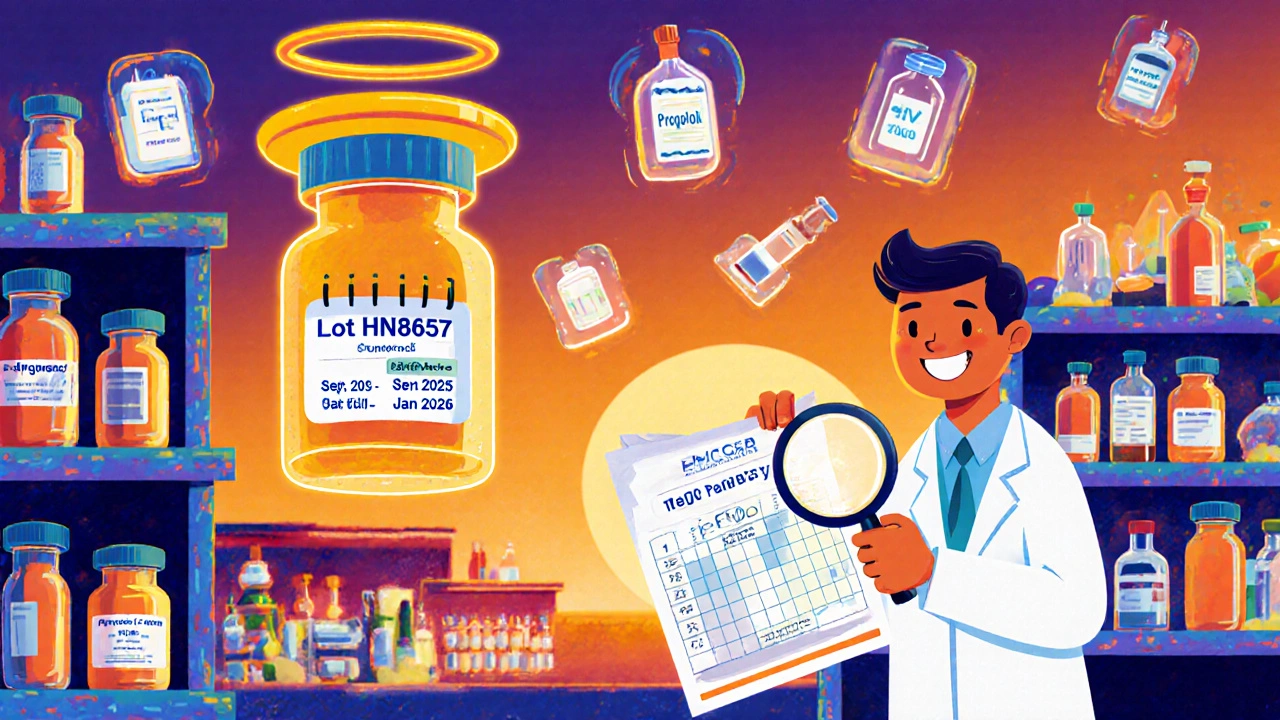
Extended Use Dates: How the FDA Extends Drug Expiration Dates During Shortages
The FDA extends expiration dates of critical drugs during shortages to ensure patient access when supply is low. Learn how the process works, which drugs qualify, and what providers must do to use extended-date medications safely.
read more