
FDA Approval: What It Means for Your Medications and Health
When you pick up a prescription, the FDA approval, the U.S. Food and Drug Administration’s formal review process that confirms a drug is safe and effective for its intended use. Also known as drug clearance, it’s the gatekeeper between a lab discovery and your medicine cabinet. Without it, drugs can’t legally be sold in the U.S.—no matter how promising the science. But approval doesn’t mean perfection. It means the benefits outweigh the risks, based on real data from thousands of patients. And it’s not just about new pills—generic drugs, lower-cost versions of brand-name medications that must meet the same strict standards get the same level of scrutiny. If a generic gets approved, it’s because it works just like the original, down to how your body absorbs it.
FDA approval isn’t a one-time stamp. It’s a living system. The agency keeps watching after a drug hits the market, tracking side effects, checking manufacturing quality, and stepping in when problems show up. That’s why unannounced FDA inspections, surprise visits to drug factories to ensure real-world compliance matter so much. These aren’t scheduled audits—they’re random checks to catch corners being cut. Since 2025, they even apply to foreign plants that supply U.S. meds, closing a major gap. And when shortages hit, the FDA can extend expiration dates on critical drugs, a move that keeps people alive when supply chains break. It’s not glamorous work, but it’s the quiet backbone of your safety.
What you won’t see on the label is how long this process takes. For a new drug, it can be over a decade and cost billions. But for generics? The path is shorter because they’re copying something already proven. That’s why you pay less for them—and why pharmaceutical safety, the ongoing effort to ensure medications don’t harm more than they help doesn’t end at approval. It’s about monitoring, adapting, and responding. Some drugs get pulled after years because rare side effects only show up in real-world use. Others get new warnings added after a few hundred reports come in. The system isn’t perfect, but it’s designed to learn as it goes.
Behind every approved pill is a mountain of data: clinical trials, lab results, manufacturing logs, and post-market reports. And while the process can feel slow, it’s what stops dangerous drugs from reaching you. You might hear stories about drugs being approved too fast—but those are exceptions, not the rule. The vast majority of approved medications have been tested rigorously, and their risks are clearly documented. What you get isn’t just a pill. It’s a promise backed by science, regulation, and constant oversight.
Below, you’ll find real stories about how FDA approval affects your prescriptions—from how generics cut costs to how surprise inspections keep factories honest, and why some drugs get extended expiration dates during shortages. This isn’t theory. It’s what’s in your medicine cabinet, and why it’s there.
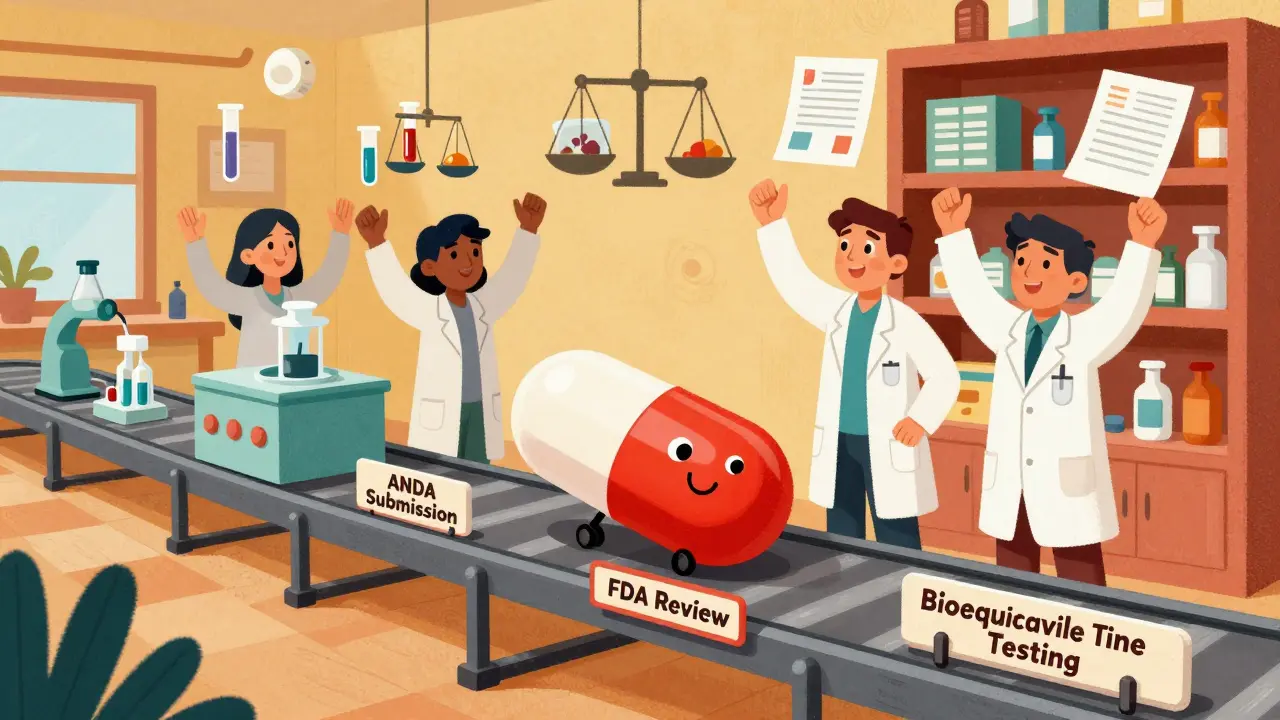
From ANDA to Shelf: How Generic Drugs Reach Retail Pharmacies
Learn how generic drugs go from FDA approval via ANDA to your pharmacy shelf. Understand the timeline, key players, and hidden challenges behind affordable medications.
read more
FDA’s Abbreviated New Drug Application Process Explained: How Generic Drugs Get Approved
The FDA's ANDA process lets generic drugs reach the market faster and cheaper by proving they're equivalent to brand-name drugs-saving billions annually. Here's how it works, why it matters, and what delays approvals.
read more