
FDA Drug Shortages: What’s Behind the Scarcity and How It Affects You
When the FDA drug shortages, officially declared gaps in the supply of essential medications approved by the U.S. Food and Drug Administration. Also known as medication shortages, they happen when manufacturers can’t produce enough of a drug to meet demand—often due to production delays, quality failures, or raw material issues. This isn’t just a paperwork problem. It’s your insulin, your blood pressure pill, your antibiotics—gone from the shelf when you need them most.
FDA drug shortages aren’t random. They cluster around generic drugs, low-cost versions of brand-name medications that make up over 90% of prescriptions in the U.S.. Why? Because manufacturers of generics operate on razor-thin margins. A single factory shutdown—due to contamination, equipment failure, or an unannounced FDA inspection—can ripple across the country. You might not get your gabapentin, your hydrocortisone, or your ibandronate sodium because one plant in India or New Jersey couldn’t pass a compliance check. And when that happens, pharmacies scramble. Doctors switch prescriptions. Patients delay treatment.
It’s not just about availability—it’s about safety. When a drug is in short supply, patients may end up with substitutes that don’t work the same way. A drug supply chain, the network of manufacturers, distributors, and pharmacies that deliver medications from lab to patient that’s stretched too thin increases the risk of errors. Think about someone on warfarin or lithium who suddenly gets a different brand because their usual one is out. Even tiny differences in formulation can throw off blood levels. That’s why lab monitoring calendars and careful tracking matter more than ever during shortages.
And here’s the thing: these shortages aren’t getting better. Since 2025, the FDA has expanded unannounced inspections to foreign facilities—closing a loophole, yes, but also exposing how fragile global supply lines are. A single quality issue in a single overseas plant can knock out a drug used by millions. Meanwhile, manufacturers don’t invest in backup production lines because generics don’t pay enough to justify it.
So what does this mean for you? If you take a daily pill for blood pressure, diabetes, or mental health, you’re not just a patient—you’re part of a system that’s under pressure. You might have to switch pharmacies, wait weeks for a refill, or argue with your doctor over alternatives. But you’re not powerless. The posts below show you how to prepare: how to spot early signs of a shortage, how to talk to your pharmacist about alternatives, how to use mail-order services to stock up safely, and how to track your meds with lab calendars so nothing slips through the cracks.
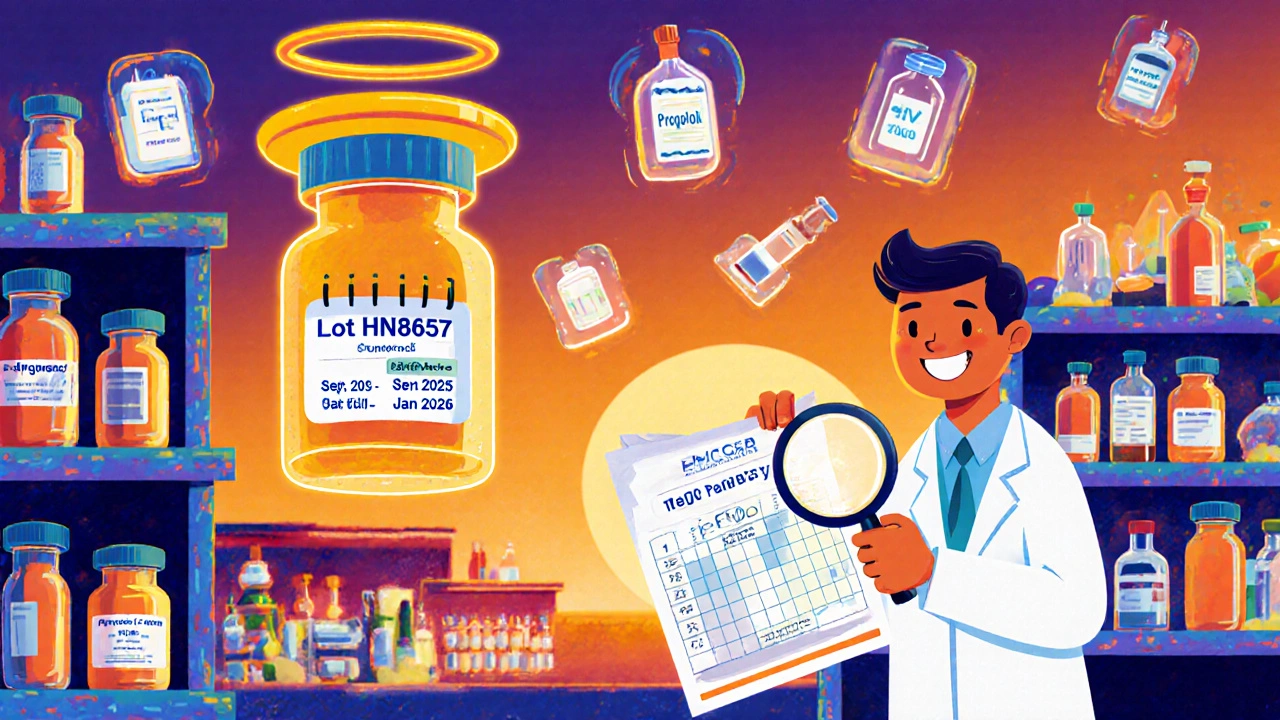
Extended Use Dates: How the FDA Extends Drug Expiration Dates During Shortages
The FDA extends expiration dates of critical drugs during shortages to ensure patient access when supply is low. Learn how the process works, which drugs qualify, and what providers must do to use extended-date medications safely.
read more