
Generic Medication Pricing: What You Really Pay and Why It Matters
When you hear generic medication pricing, the cost of FDA-approved versions of brand-name drugs that contain the same active ingredients, dosage, and effectiveness. Also known as generic drugs, they’re the backbone of affordable healthcare in the U.S. But here’s the thing—just because a drug is generic doesn’t mean it’s always cheap. Prices jump around based on who makes it, where it’s sold, and how many competitors are in the market. Some generics cost pennies. Others? You’ll pay nearly as much as the brand name. Why? It’s not about quality—it’s about supply, demand, and the messy middlemen between the factory and your pharmacy.
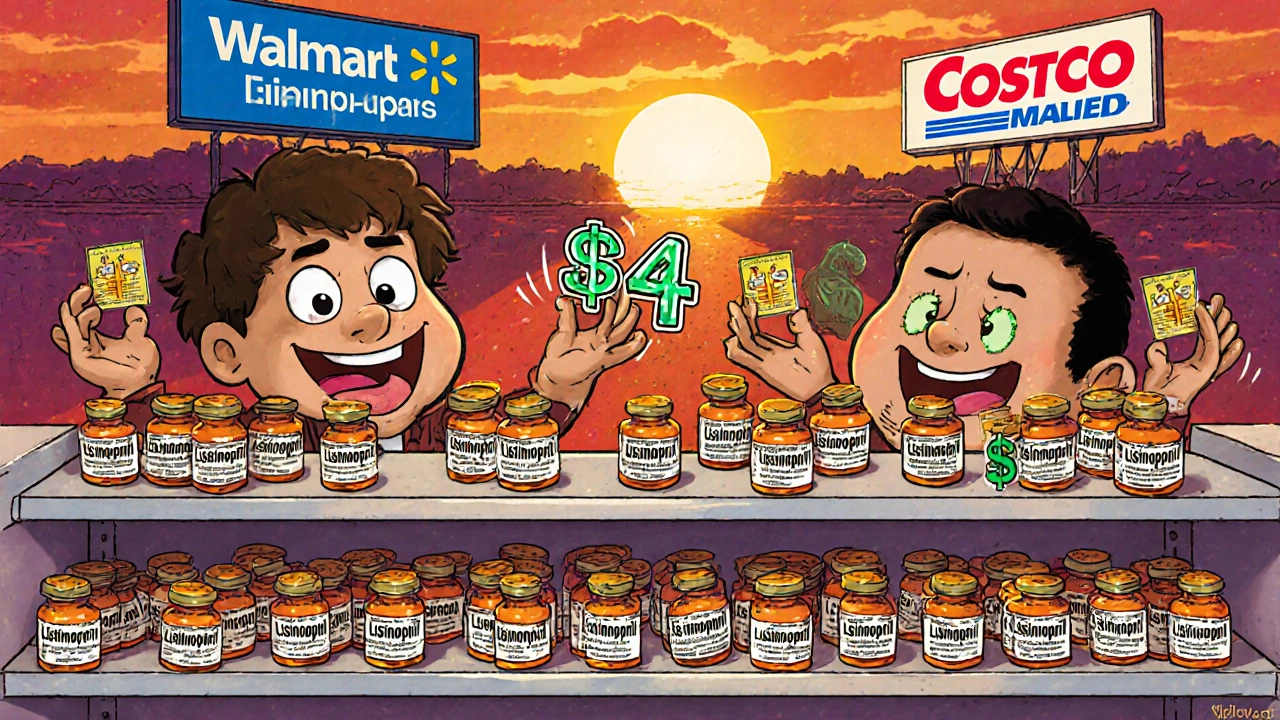
Take brand-name drugs, originally developed and patented medications sold under a proprietary name. Also known as originator drugs, they’re expensive because the company spent years and millions研发 them. Once the patent expires, other companies can make copies. But if only one company makes the generic, they can keep prices high. If ten companies make it? Prices drop fast. That’s why a 30-day supply of generic lisinopril might cost $4 at one pharmacy and $22 at another. It’s not about the pill—it’s about who’s selling it and how many others are competing to sell the same thing.
And then there’s prescription savings, the money you keep in your pocket by choosing lower-cost alternatives like mail-order pharmacies, bulk buys, or patient assistance programs. You’ve probably seen ads for $4 generics—but those deals aren’t always available everywhere. Some pharmacies only offer them with certain insurance plans. Others require you to sign up for a loyalty program. And if you’re paying cash? You might be better off using a discount card or switching to a mail-order service that delivers 90-day supplies. The real savings come from knowing where to look—and not assuming the first price you see is the lowest.
What you’re really paying for isn’t just the medicine. It’s the system around it. Insurance networks, pharmacy benefit managers, manufacturer rebates, and even the pharmacy’s location all play a role. A generic drug made in India might cost $0.02 per pill to produce, but if it’s sold through a middleman with a complex pricing deal, you could end up paying $0.50. And if your doctor prescribes a brand because they’re used to it—or your pharmacy doesn’t stock the cheapest generic—you’re stuck paying more.
That’s why so many patients still hesitate, even when doctors push for generics. It’s not fear of effectiveness—it’s confusion over price. One person pays $5 for metformin. Another pays $45. Both got the same prescription. Which one is right? Neither. The system is broken. But you don’t have to be a victim of it. You can ask your pharmacist for the lowest cash price. You can check online tools that compare prices across local pharmacies. You can ask your doctor if a different generic version exists. And if you’re on a fixed income, you might qualify for free or discounted medications through nonprofit programs.
Below, you’ll find real stories and practical guides on how people actually save money on their meds—without sacrificing safety or effectiveness. From how mail-order pharmacies cut costs to why some generics cost more than others, these posts cut through the noise. You’ll see how patient experiences match up with the data, and what steps actually work when you’re trying to stretch your budget without risking your health.
Generic Drug Prices: Why Americans Pay Less Than Europeans
Americans pay less for generic drugs than Europeans, but far more for brand-name medications. This article explains why the US and European systems create this pricing gap-and what it means for patients and global innovation.
read more