
Injectable Medication Safety: What You Need to Know to Avoid Harm
When you or someone you care for needs an injectable medication, a drug delivered directly into the body through a needle or syringe, often used for conditions like diabetes, autoimmune diseases, or chronic pain. Also known as parenteral medication, it bypasses the digestive system to work faster and more reliably—but that also means mistakes can have serious consequences. Unlike pills, you can’t undo an injection. A single error in technique, timing, or dosage can lead to infection, tissue damage, or even death. That’s why injectable medication safety isn’t optional—it’s non-negotiable.
Safe injections require more than just a needle and a vial. They demand clean hands, sterile equipment, proper site selection, and knowing exactly what you’re giving. Many people assume that because a doctor prescribed it, it’s automatically safe. But studies show that over 40% of injection-related errors happen outside hospitals—in homes, nursing facilities, and even pharmacies. Sterile technique, the process of keeping everything free from germs during preparation and delivery is the first line of defense. Even a tiny bit of dirt on the skin or a reused alcohol wipe can introduce bacteria into the bloodstream. Then there’s injection errors, mistakes like wrong dose, wrong drug, wrong patient, or wrong route. These aren’t rare. They’re common enough that the CDC tracks them as a public health priority.
It’s not just about the needle. It’s about the whole system: how the medication is stored, how long it’s been open, whether the syringe is labeled correctly, and whether the person giving it knows how to handle it. For example, insulin pens look simple, but mixing up the concentration or reusing needles can cause dangerous blood sugar swings. Auto-injectors like epinephrine pens save lives—but if you don’t know how to arm them or where to inject, they won’t work when you need them most. Even something as small as letting a vial sit out too long can change the drug’s chemistry. And don’t forget needle safety, how used needles are handled and disposed of to prevent accidental sticks. One needlestick can expose someone to hepatitis, HIV, or other bloodborne diseases.
What you’ll find in this collection isn’t theory. It’s real advice from people who’ve been there—patients managing diabetes at home, caregivers giving injections to elderly relatives, nurses dealing with tight schedules and high stakes. You’ll learn how to spot a contaminated vial, why you should never recap a needle, how to tell if an injection site is infected, and what to do if you accidentally give the wrong dose. These aren’t textbook rules. They’re survival tips backed by clinical data and lived experience. Whether you’re new to injections or have been doing them for years, there’s something here that could keep you—or someone you love—out of the hospital.
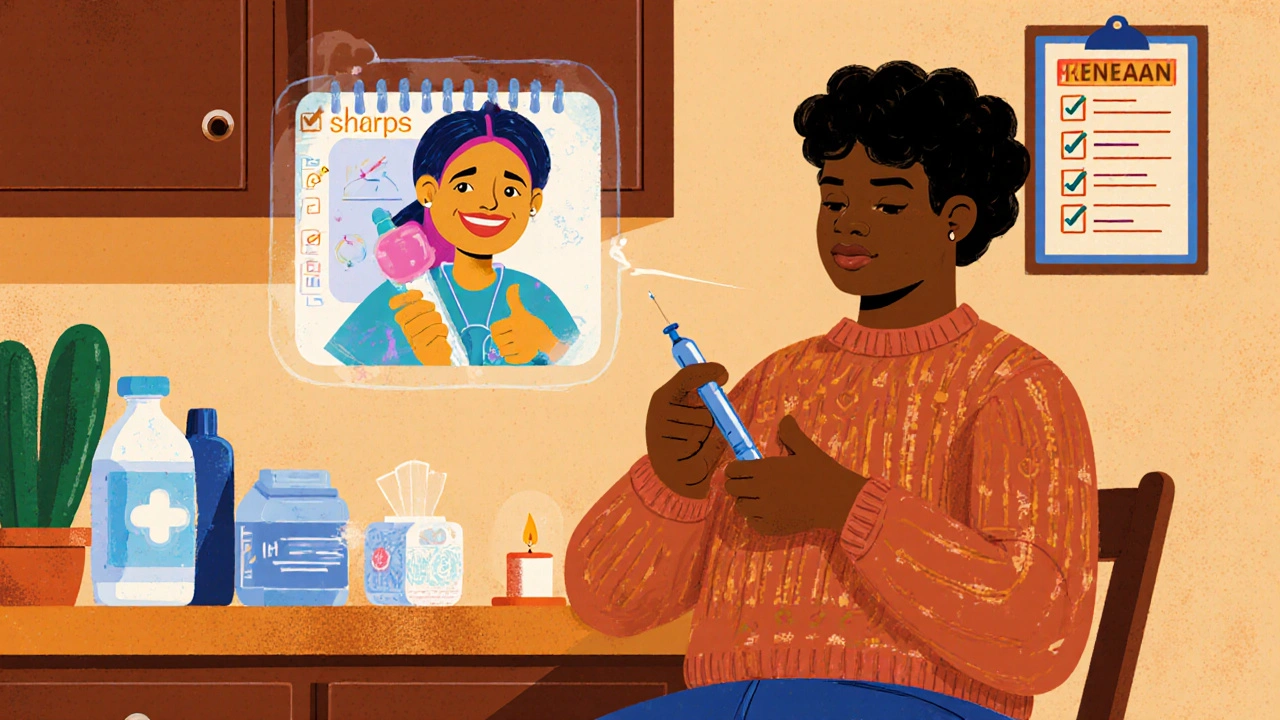
Biologic Therapies: How to Inject Safely and Avoid Infections
Learn how to safely inject biologic therapies at home, avoid common mistakes, and reduce infection risks with proper technique, training, and hygiene practices.
read more