
Injection Infection Risks: What You Need to Know to Stay Safe
When you get an injection, a medical procedure where medication is delivered into the body through a needle. Also known as parenteral administration, it’s meant to be fast, effective, and safe. But if the process isn’t done right, it can turn into a doorway for dangerous infections. Every year, people end up in hospitals not because their condition got worse, but because the injection itself became infected. This isn’t rare. It happens when sterile rules are skipped—even by accident.
Sterile technique, the set of practices used to keep needles, skin, and medication free from germs isn’t optional. It’s the only thing standing between you and a serious infection like abscesses, sepsis, or even endocarditis. Think about it: a needle pierces your skin, bypassing your body’s first line of defense. If that needle touches anything dirty—even a nurse’s unclean hands or a wiped-down surface that still has bacteria—you’re at risk. And it’s not just about hospitals. Home injections, like insulin or hormone shots, carry the same risks if you don’t clean the skin, use fresh needles, or store meds properly.
Injection site infection, a local reaction caused by bacteria entering through the puncture often starts as redness, swelling, or warmth around the spot. But it can quickly spread. Some people ignore early signs because they think it’s just irritation. That’s how minor issues become emergencies. Even something as simple as reusing a needle—even once—can introduce harmful microbes. And if you’re getting IV therapy, the risks multiply. A contaminated IV line can send bacteria straight into your bloodstream, leading to life-threatening conditions.
It’s not just about the needle. The environment matters. Was the vial stored correctly? Was the alcohol swab fresh? Did the person giving the shot wash their hands? These aren’t small details—they’re the difference between healing and hospitalization. You don’t need to be a doctor to protect yourself. You just need to ask questions. Is this needle new? Is this solution clear? Did you clean the area? If something feels off, speak up. Your body isn’t just accepting the medicine—it’s also accepting the entire process around it.
The posts below cover real cases, hidden dangers, and practical steps you can take. You’ll find how to spot early signs of infection, why some medications are riskier than others, what to do if you think you’ve been exposed, and how to ensure your home injections are as safe as a hospital procedure. No fluff. No theory. Just what works—and what could save your life.
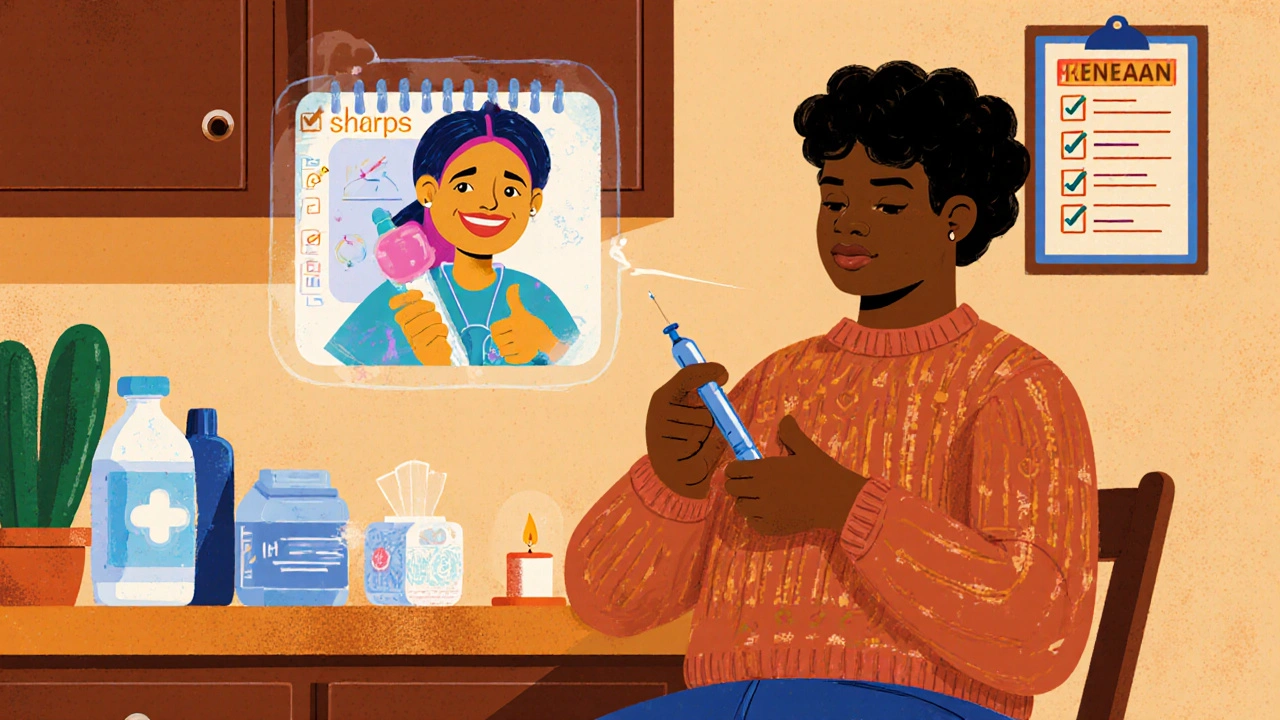
Biologic Therapies: How to Inject Safely and Avoid Infections
Learn how to safely inject biologic therapies at home, avoid common mistakes, and reduce infection risks with proper technique, training, and hygiene practices.
read more