
Pharmaceutical Moisture Control: Why It Matters for Drug Safety and Effectiveness
When you pick up a bottle of pills, you might not think about the air inside the container—but pharmaceutical moisture control, the process of managing humidity levels in medications to prevent chemical breakdown and physical damage. Also known as drug stability management, it’s what keeps your pills from turning sticky, crumbling, or losing potency before you even take them. Even a tiny bit of extra moisture can turn a perfectly good tablet into useless powder—or worse, create harmful byproducts. This isn’t just a lab concern; it’s why your medicine cabinet needs to stay dry, and why manufacturers go to extreme lengths to seal, desiccate, and monitor every step of the process.
Behind every pill, capsule, or injectable is a battle against humidity. packaging integrity, the design and materials used to shield drugs from environmental factors like moisture and oxygen. Also known as drug containment systems, it includes blister packs with aluminum backing, desiccant packets inside bottles, and nitrogen-purged vials. Without these, drugs like antibiotics, antifungals, or even common pain relievers can degrade faster than you think. For example, aspirin exposed to moisture doesn’t just lose strength—it can turn into acetic acid, which irritates your stomach. Meanwhile, humidity in pharma, the uncontrolled presence of water vapor during manufacturing, storage, or transport. Also known as environmental moisture exposure, it’s a silent killer of shelf life. The FDA and global regulators require strict humidity controls during production, especially for biologics and moisture-sensitive drugs like those used in cancer or autoimmune treatments. Even the way you store your meds at home matters. Keeping them in the bathroom? That’s a humidity trap. A cool, dry drawer is far better.
And it’s not just about the pill itself. Moisture affects how well your body absorbs the drug. If a tablet breaks down too early in the stomach because it got damp in transit, you might not get the full dose. That’s why extended expiration dates—like those the FDA approves during drug shortages—are only granted after proving the product remains stable under real-world moisture conditions. You’ll find posts here that dig into how lab monitoring helps catch early signs of degradation, why unannounced FDA inspections check moisture controls in factories, and how even something as simple as a desiccant packet can make the difference between a working treatment and a wasted prescription. Whether you’re a patient wondering why your pills look different, a caregiver managing multiple meds, or just someone who wants to know their drugs are safe, understanding pharmaceutical moisture control helps you make smarter choices. Below, you’ll see real examples of how this invisible factor impacts everything from antibiotics to biologics—and what you can do to protect your own meds at home.
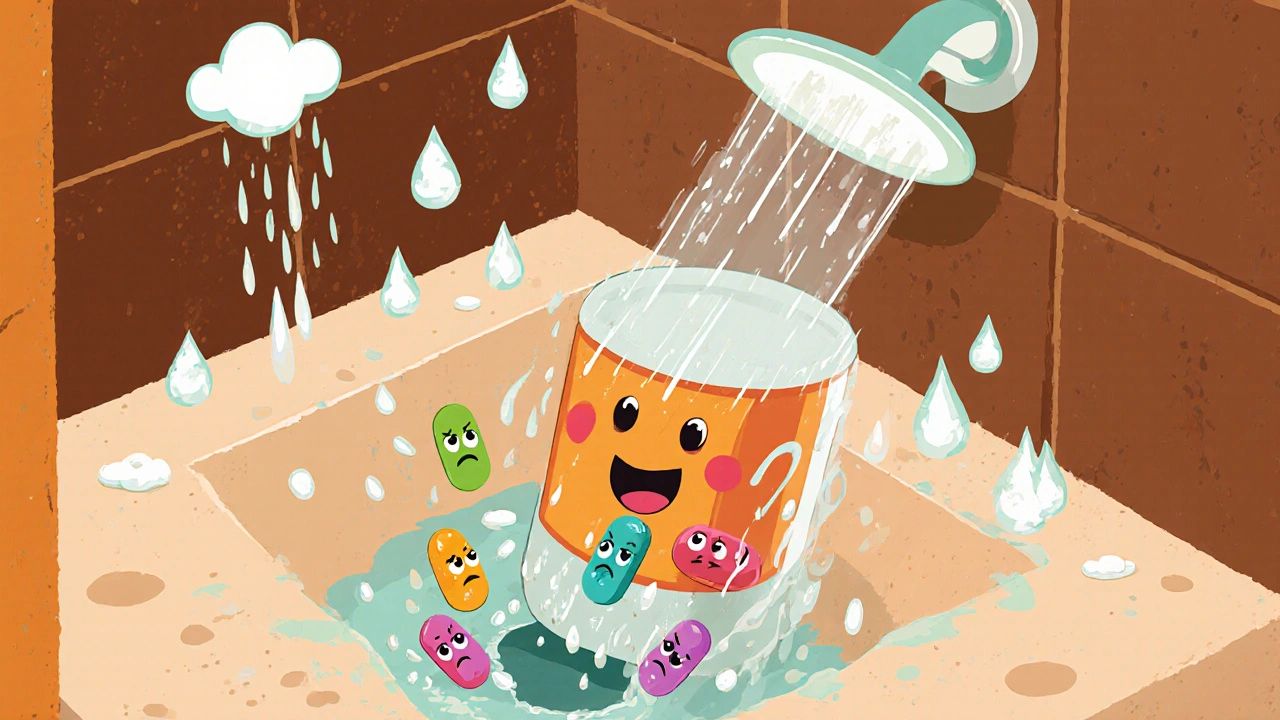
How to Prevent Moisture Damage to Pills and Capsules: A Practical Guide
Moisture can destroy pills and capsules, reducing effectiveness or causing harm. Learn how film coating, desiccants, and proper storage prevent damage-especially in humid climates like Perth.
read more