
Pill Storage: How to Keep Your Medications Safe and Effective
When you store your pills wrong, they don’t just lose potency—they can become unsafe. pill storage, the practice of keeping medications in conditions that preserve their strength and safety. Also known as medicine storage, it’s not just about keeping bottles out of sight—it’s about controlling temperature, moisture, and light to make sure every pill does what it’s supposed to. A bottle of antibiotics left in a steamy bathroom can break down before the expiration date. Blood pressure pills stored in a hot car might stop working entirely. This isn’t theoretical—real people end up in the ER because their meds degraded.
medication safety, the set of practices that prevent harm from drugs through proper handling, storage, and use starts the moment you bring your prescription home. The medicine cabinet, a common storage location in homes, often located in bathrooms or bedrooms. Also known as bathroom cabinet is one of the worst places to keep pills. Humidity from showers and heat from pipes can destroy tablets and capsules. The drug expiration, the date by which a medication is guaranteed to be fully potent and safe, as determined by the manufacturer or FDA isn’t a magic cutoff—it’s the end of a slow decline that starts the moment you open the bottle. Some drugs, like insulin or liquid antibiotics, degrade fast. Others, like aspirin or thyroid pills, can become less effective over time even if sealed.
Where should you store them? A cool, dry drawer in your bedroom. A locked box if you have kids or pets. Avoid the kitchen near the stove, the car glove compartment in summer, or the bathroom entirely. Keep pills in their original bottles—the labels have vital info and the bottles are designed to protect the contents. If you use pill organizers, fill them weekly, not monthly, and never leave them in direct sunlight. And never assume a pill is still good just because it hasn’t expired. If it looks chalky, smells odd, or crumbles easily, toss it. The FDA has extended expiration dates during drug shortages, but that doesn’t mean you should keep old meds sitting around. Your body doesn’t care about the printed date—it only cares if the chemical inside still works.
What you’ll find below are real, practical guides from people who’ve dealt with the consequences of bad pill storage—whether it’s a failed treatment, a dangerous interaction, or a medication that just didn’t work when it was needed most. From how heat affects blood pressure pills to why biologics need special care, these posts show you exactly what to do—and what to avoid—to keep your meds working as they should.
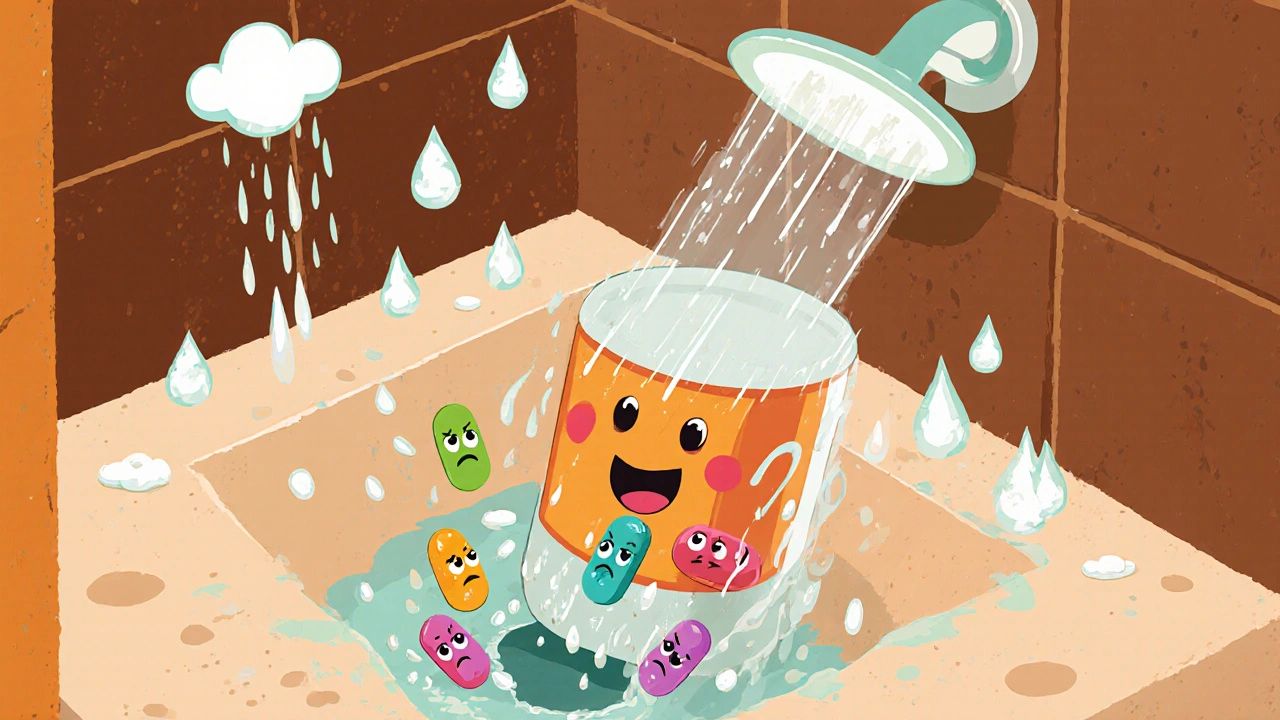
How to Prevent Moisture Damage to Pills and Capsules: A Practical Guide
Moisture can destroy pills and capsules, reducing effectiveness or causing harm. Learn how film coating, desiccants, and proper storage prevent damage-especially in humid climates like Perth.
read more