
US vs Europe drug costs: Why prices differ and what it means for you
When you buy a prescription in the US drug costs, the average price Americans pay for the same medication is often 2 to 5 times higher than in European countries. Also known as pharmaceutical pricing disparity, this gap isn’t about quality—it’s about policy, negotiation power, and market rules. In Canada, Germany, or the UK, governments negotiate drug prices directly with manufacturers. In the US, no such centralized negotiation exists. Pharmacies, insurers, and PBMs (pharmacy benefit managers) each take a cut, and patients end up paying the difference.
This isn’t just a number—it’s a life-changing difference. A month’s supply of insulin might cost $120 in the US and $15 in Germany. A cancer drug like Keytruda can run over $15,000 in the US but under $5,000 in France. The Europe drug costs, are regulated through national health systems that prioritize access over profit. These systems set price caps, refuse to pay for drugs that don’t offer clear value, and use bulk purchasing to drive down costs. Meanwhile, pharmaceutical pricing, in the US is largely unregulated, allowing companies to set prices based on what the market will bear. No other developed country lets drugmakers charge what they want.
It’s not just about brand names. Even generics cost more in the US. Why? Because the system rewards complexity. A simple pill might have 10 different middlemen between the factory and your pharmacy. In Europe, the supply chain is shorter, and transparency is required. The medication affordability, issue isn’t about whether drugs are effective—it’s about whether people can actually get them without going broke. You’ll see this in the posts below: people using mail-order pharmacies to save money, switching to generics because they can’t afford brand names, or skipping doses because the copay is too high. These aren’t isolated stories—they’re symptoms of a broken system.
What you’ll find here aren’t just comparisons of prices. You’ll read about real people managing chronic conditions while juggling costs, how drug shortages hit harder in high-price markets, and why some patients cross borders just to fill prescriptions. You’ll learn how insurance plans hide true costs, why some drugs are priced higher even when they’re older, and what happens when a life-saving drug gets a 500% price hike overnight. This isn’t theoretical. It’s happening to someone you know.
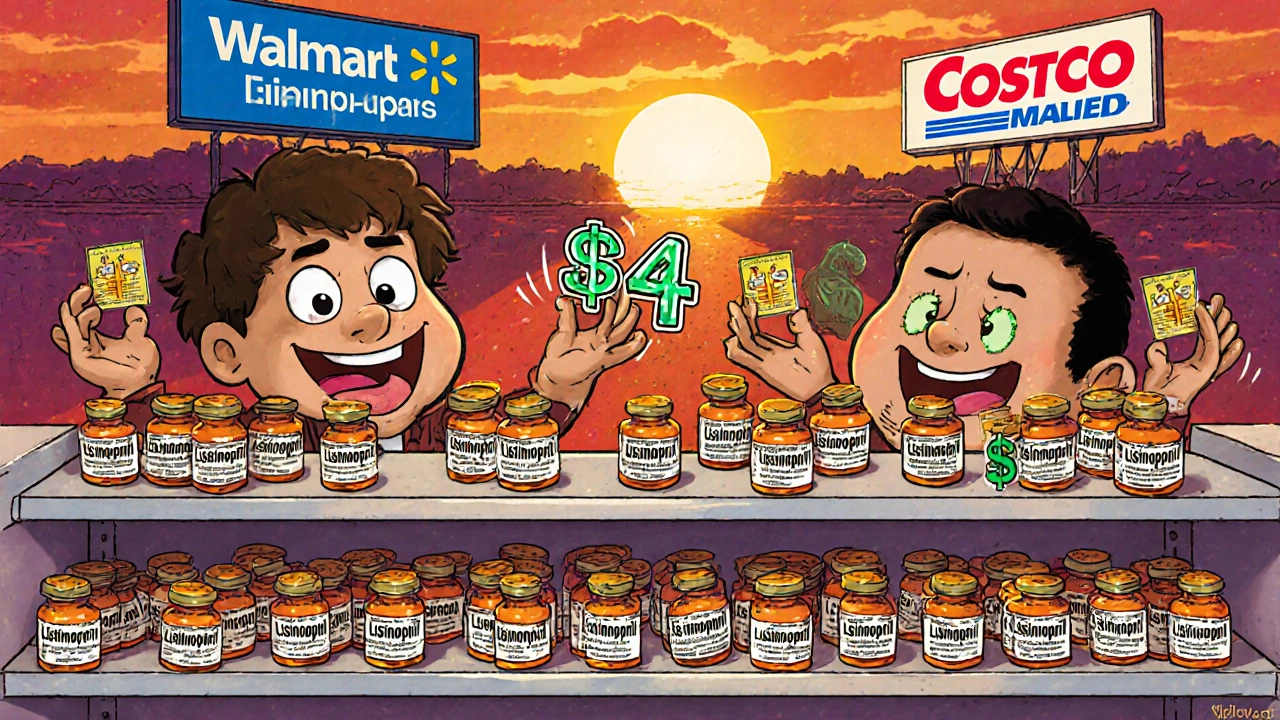
Generic Drug Prices: Why Americans Pay Less Than Europeans
Americans pay less for generic drugs than Europeans, but far more for brand-name medications. This article explains why the US and European systems create this pricing gap-and what it means for patients and global innovation.
read more