
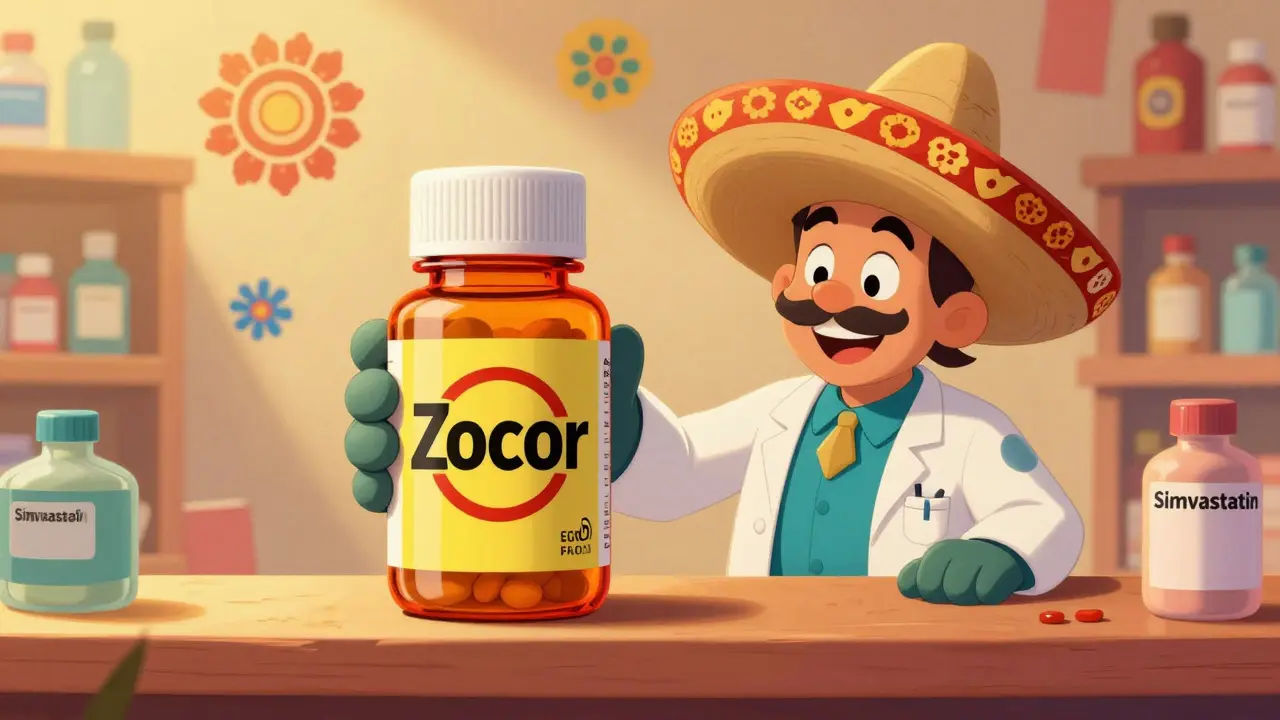
Ever opened your prescription bottle and seen a pill that looks different from the last one - same name, same dosage, but a different color or shape? You might think you got the wrong medicine. But what if I told you it’s the exact same drug? That’s the reality of authorized generics.
What Exactly Is an Authorized Generic?
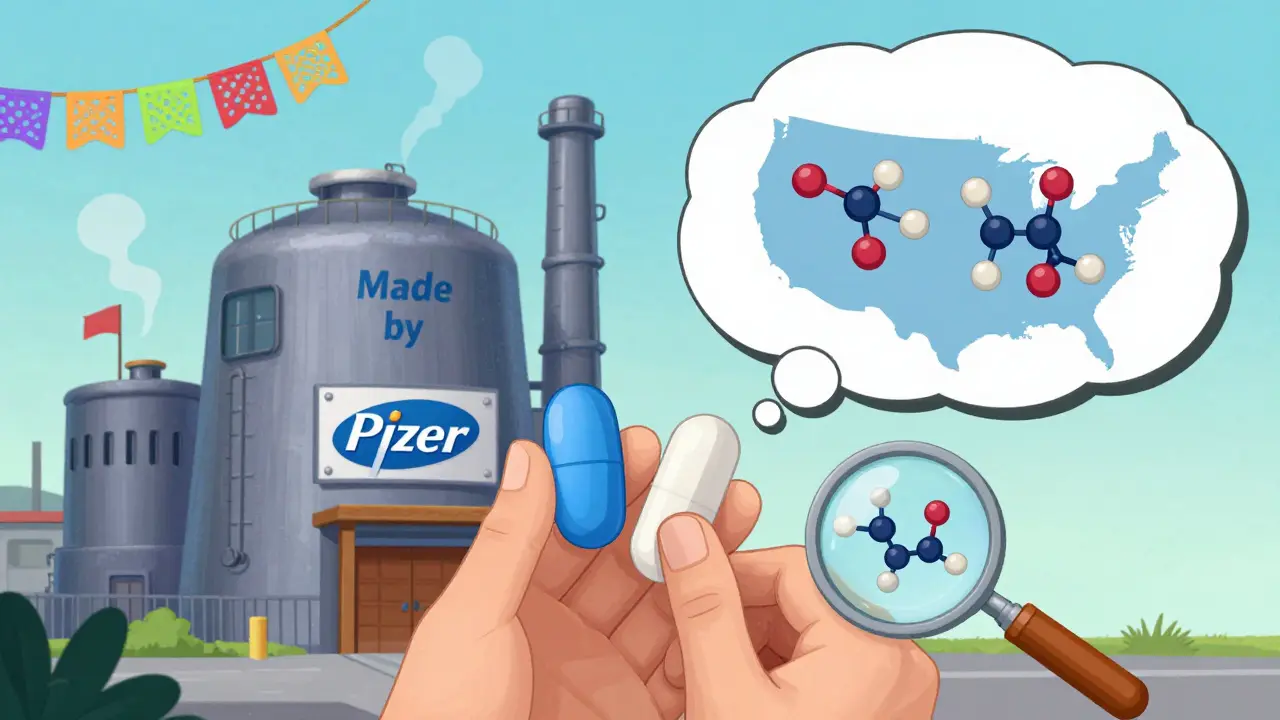
An authorized generic is not a copy. It’s not a knockoff. It’s the exact same pill, capsule, or injection that your doctor prescribed - just without the brand name on the label. It’s made by the same company that makes the brand-name drug, in the same factory, with the same ingredients, and the same quality controls.
Think of it like buying a car. The brand-name version has the logo, the fancy trim, and a higher price tag. The authorized generic? Same engine, same safety features, same build - just without the badge. You get the same performance, but you pay less.
The FDA defines it clearly: an authorized generic is a drug approved under the original brand’s New Drug Application (NDA), but sold under a different label. No new approval is needed. No extra testing. It’s the same product, repackaged.
How Is It Different From a Regular Generic?
This is where things get confusing. Regular generics are made by other companies after the brand’s patent expires. They have to prove they work the same way - that’s called bioequivalence. But they can use different inactive ingredients: fillers, dyes, coatings. That’s why a generic version of your pill might look different - and sometimes, patients report feeling different, even if the science says it shouldn’t matter.
Authorized generics don’t have that problem. They’re chemically and physically identical to the brand. Same active ingredient. Same inactive ingredients. Same size, same shape, same manufacturing process. The only difference? The label says “Simvastatin 20 mg” instead of “Zocor 20 mg.”
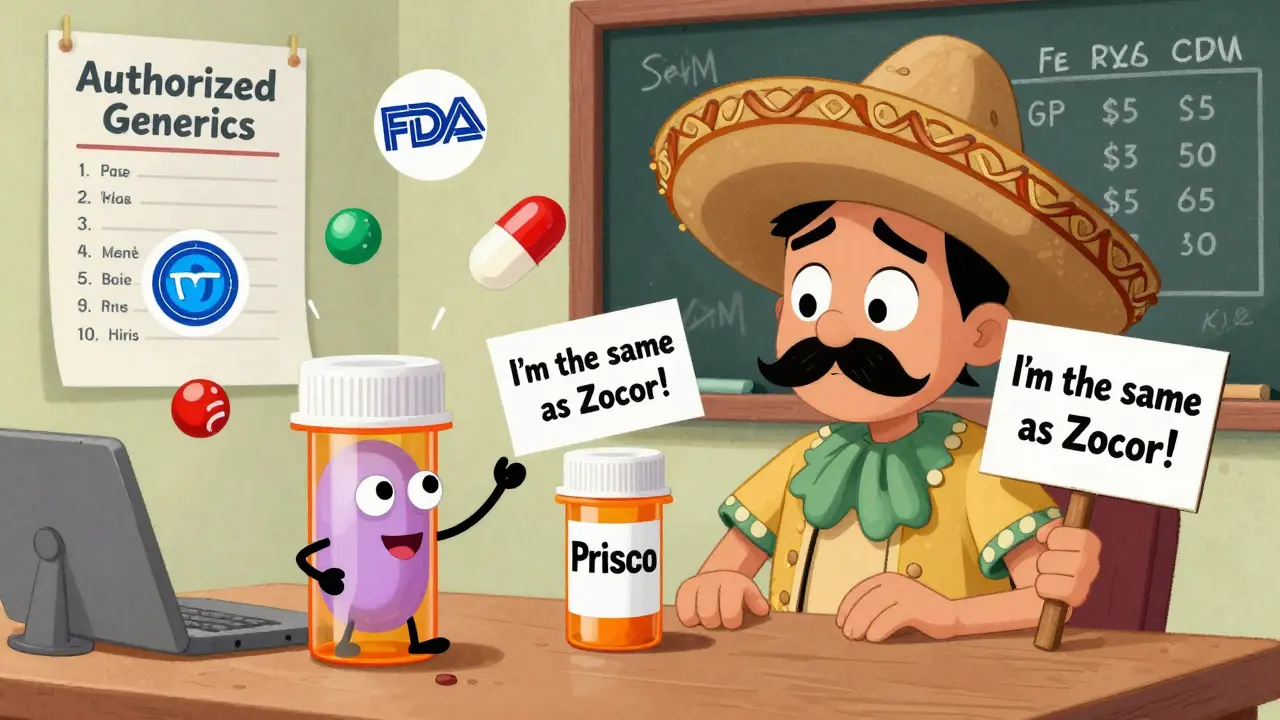
And here’s the kicker: regular generics show up in the FDA’s Orange Book. Authorized generics? They don’t. That means pharmacists have to know where to look - and many don’t. You might get handed a box labeled “Prasco” or “Greenstone” and assume it’s just another generic. It’s not. It’s the original brand in disguise.
Why Do Brand Companies Make Authorized Generics?
It sounds strange, right? Why would Pfizer or Merck make their own drug cheaper and sell it under a different name?
It’s a business move. When a drug’s patent expires, the first generic company to file gets 180 days of exclusive rights to sell the generic version. That’s a huge financial win. But brand companies don’t want to lose all the market share. So they launch their own authorized generic - often right before or during that 180-day window.
Now you’ve got two versions of the same drug on the shelf: one from the original maker, one from the challenger. The price drops fast. Patients win. But the first generic company? They’re suddenly competing with the brand they were trying to unseat. Critics say this undermines the whole point of the Hatch-Waxman Act - the law meant to encourage generic competition.
Still, it’s legal. And it’s common. Companies like Pfizer (through Greenstone), Procter & Gamble (through Prasco), and others have built entire divisions just to make authorized generics. They’re not trying to trick anyone. They’re trying to stay competitive.
What Does This Mean for You as a Patient?
If you’re paying out of pocket, authorized generics are a smart choice. They’re often cheaper than the brand - sometimes even cheaper than regular generics - because there’s no marketing cost, no brand premium.
But here’s what you need to watch for:
- You might get a different-looking pill. That doesn’t mean it’s weaker or different.
- Some pharmacies don’t know the difference. Ask if your prescription is an authorized generic - it might be cheaper than what they’re offering.
- If you’ve had issues with a regular generic (side effects, feeling off), try asking for the authorized version. It’s the closest thing to the brand.
- Check the label. If it says “Manufactured for [Brand Name]” or has a company like Prasco, Greenstone, or Patriot on it, you’re likely getting an authorized generic.
Some patients worry they’re being switched without consent. But authorized generics are FDA-approved as therapeutically equivalent. If your doctor prescribed Zocor, and you get Simvastatin from Greenstone, you’re still getting Zocor - just without the brand name.
Why Don’t More People Know About This?
Because the system isn’t designed for transparency. Authorized generics aren’t listed in the Orange Book. Pharmacists don’t get automatic alerts. Insurance formularies often group them with regular generics. And patients? Most have no idea they exist.
Doctors don’t always know either. I’ve talked to pharmacists in Perth who’ve had patients come in upset because they saw “Prasco” on the bottle and thought they’d been given the wrong drug. The pharmacist had to pull up the FDA’s list of authorized generics to prove it was the same thing.
The FDA keeps a public list - but it’s buried in their website. Most people don’t know it exists. That’s why confusion happens. It’s not the fault of the patient. It’s the fault of a system that doesn’t make this easy to understand.
Should You Ask for an Authorized Generic?
Yes. Especially if:
- You’ve had trouble with a regular generic (even if it’s “approved”)
- You’re paying cash and want the best price
- You’re on a chronic medication and want consistency
- You’re worried about inactive ingredients causing side effects
Just say: “Is there an authorized generic for this?” Or ask your pharmacist: “Is this made by the same company that makes the brand name?”
Some insurers won’t cover it unless you’ve tried the regular generic first. But if you’re paying out of pocket, you can ask for it directly. Many pharmacies will order it for you.
And here’s a pro tip: Authorized generics often cost less than the brand and sometimes even less than the first generic on the market. You’re not sacrificing quality. You’re just skipping the branding.
The Bigger Picture
Authorized generics aren’t going away. As more drugs lose patent protection - like Humira, Eliquis, and others - brand companies will keep using this strategy. It’s profitable. It’s legal. And for patients? It’s often the best deal on the shelf.
The real issue isn’t the authorized generic itself. It’s that the system hides it. We need better labeling. Better education. Better communication between doctors, pharmacists, and patients.
Until then, know this: if your pill looks different, it doesn’t mean it’s different. Sometimes, the best medicine is the one you didn’t know you were already getting.
Are authorized generics the same as the brand-name drug?
Yes. Authorized generics are identical to the brand-name drug in active ingredients, strength, dosage form, and manufacturing process. The only difference is the label - no brand name, no logo, no marketing. They’re made in the same factory by the same company.
Why do authorized generics look different from the brand?
They may have different colors, markings, or shapes to distinguish them from the brand-name version, but this is purely for labeling and regulatory reasons. The actual drug inside is unchanged. These changes are required by the FDA to avoid confusion, but they don’t affect how the drug works.
Are authorized generics cheaper than regular generics?
Sometimes. Authorized generics often cost the same as or slightly less than regular generics because they skip the development and approval costs. Since they’re made by the brand company, they can undercut both the brand and the first generic on the market. Always compare prices at your pharmacy.
Can I ask my pharmacist for an authorized generic?
Absolutely. Ask: “Is there an authorized generic version of this drug?” or “Is this made by the same company that makes the brand name?” Pharmacists can check the FDA’s list or contact distributors to find out. Many will order it for you if it’s not in stock.
Why aren’t authorized generics listed in the FDA’s Orange Book?
Because they’re not approved under a separate Abbreviated New Drug Application (ANDA). They’re sold under the brand’s original New Drug Application (NDA). The Orange Book only lists drugs approved through the ANDA process. That’s why pharmacists need to use the FDA’s separate List of Authorized Generics to identify them.
Do authorized generics cause fewer side effects than regular generics?
They can. Regular generics are allowed to use different inactive ingredients - fillers, dyes, coatings - which sometimes cause reactions in sensitive patients. Authorized generics use the exact same inactive ingredients as the brand, so if you had issues with a regular generic, switching to the authorized version might help.
Are authorized generics available for all brand-name drugs?
No. Only brand manufacturers choose to make them. It’s a business decision, not a requirement. Some companies do it for popular drugs like statins, blood pressure meds, or antidepressants. Others don’t. Check the FDA’s List of Authorized Generic Drugs to see what’s available.
Comments (10)
Gregory Clayton
This is why America’s healthcare system is a joke. You pay $200 for a pill with a brand name, then they slip you the exact same thing in a plain box and call it a ‘generic’-and you’re supposed to be grateful? Wake up. They’re milking you twice.
Micheal Murdoch
It’s wild how much of this is about perception, not science. We treat medicine like a luxury brand-logo matters more than the molecule. But if your blood pressure drops the same way, why does it matter if it says ‘Zocor’ or ‘Simvastatin’ on the bottle? The real tragedy is that most people don’t even know they’re being sold the same product twice, just with different packaging. We’ve turned healthcare into a marketing contest.
Matthew Maxwell
It is profoundly irresponsible to suggest that patients should routinely request authorized generics without consulting their physician. The FDA’s Orange Book exists for a reason-transparency, standardization, and regulatory accountability. To encourage self-directed substitution based on anecdotal preference is to undermine the very foundations of evidence-based pharmacotherapy. This is not a grocery store aisle.
Jeffrey Hu
Everyone’s acting like this is some big secret, but it’s not. The FDA has a list. Pharmacies have databases. Even the manufacturers’ websites list which ones are authorized. If you don’t know this, you’re not being fooled-you’re just not doing your homework. Stop blaming the system and start asking questions before you pick up your script.
Catherine Scutt
I used to get panic attacks every time my pill changed color. Thought I was getting ripped off. Then I found out it was the same damn thing. Now I just ask for the ‘no-brand’ version. Saved me $80 a month. I still don’t trust the system, but at least I’m not paying extra for a logo.
Jacob Paterson
So let me get this straight-Big Pharma makes the drug, then makes a cheaper version of itself to undercut the real generics? Brilliant. So they get to keep the market, pretend they’re being ‘fair,’ and still make bank. And we’re supposed to cheer because we got a $5 pill? Nah. This isn’t capitalism. It’s a con with a stethoscope.
Johanna Baxter
I cried when I found out my anxiety med was the same pill I’d been paying $150 for. Just… different label. All that stress over a color change. I felt so stupid. But also so angry. Why didn’t anyone tell me? I’ve been overpaying for years. This system is designed to make you feel crazy for noticing.
Patty Walters
side note: if your pharmacist looks confused when you ask about authorized generics, don’t panic. they’re not dumb, they just aren’t trained on it. i had to print out the fda list once and hand it to mine. she was so grateful. now she always checks. small wins.
Phil Kemling
There’s a deeper question here: why do we assign moral value to brand names? Why does a pill with a logo feel more ‘real’ than one without? We’ve anthropomorphized medicine. We trust the name more than the chemistry. Maybe the real crisis isn’t the pricing-it’s that we’ve lost faith in the science itself.
Jenci Spradlin
just asked for the authorized generic for my blood thinner and saved $42. the pharmacist was like ‘oh yeah we got that’ like it was no big deal. turns out i’ve been paying extra for a sticker. i’m not mad, i’m just… surprised. why does this not get talked about more?