
Blood Pressure Meds: What Works, What to Watch For, and How to Use Them Safely
When you’re told you need blood pressure meds, Prescription drugs used to lower high blood pressure and reduce risk of heart attack or stroke. Also known as antihypertensive drugs, they’re some of the most commonly prescribed pills in the world. But knowing you need them isn’t the same as knowing how they work, why your doctor picked one over another, or what to do when side effects show up.
Not all calcium channel blockers, A class of blood pressure meds that relax blood vessels by blocking calcium from entering heart and artery cells are the same. Verapamil and amlodipine both fall under this group, but they act differently and can cause different side effects. One might make your legs swell; another might slow your heart too much. Then there’s generic blood pressure medication, The same active ingredient as brand-name drugs but sold at a fraction of the cost — and yes, they work just as well. Studies show no difference in effectiveness between brand-name and generic versions for high blood pressure. Yet many people still avoid them, worried they’re "weaker" or "less safe." They’re not. The FDA requires generics to match brand drugs in strength, purity, and performance.
What you don’t see on the label? How these drugs interact with other things you take. Gabapentin with a blood pressure med? Could drop your blood pressure too far. Alcohol with certain types? Makes dizziness worse. Even something as simple as grapefruit juice can mess with how your body processes some meds. And if you’re on more than one pill — which most people are — you need to know what to watch for. Fatigue? Swelling? Dry cough? Those aren’t always "just aging." They could be signs your body’s reacting to the combo.
Tracking your numbers matters, but so does tracking how you feel. That’s why lab monitoring calendars and side effect logs aren’t just for people on complex drugs like warfarin or lithium. They’re useful for anyone on long-term blood pressure meds. You might not need weekly blood tests, but you should know when to call your doctor — like if your heart starts racing after a new pill, or if you’re dizzy every morning.
And don’t forget storage. Moisture, heat, and light can ruin pills just like they ruin coffee beans. A bathroom cabinet isn’t a good place to keep your meds — even if it’s convenient. Your blood pressure meds need dry, cool, dark storage to stay effective. And if you’re using mail-order pharmacies for 90-day supplies, make sure they’re shipping in proper packaging. A damp bottle of pills isn’t just less effective — it could be dangerous.
Below, you’ll find real, practical guides on how these drugs work, how to avoid dangerous mix-ups, how to save money without risking safety, and what to do when things don’t go as planned. No fluff. No hype. Just what you need to take control — safely and smartly.
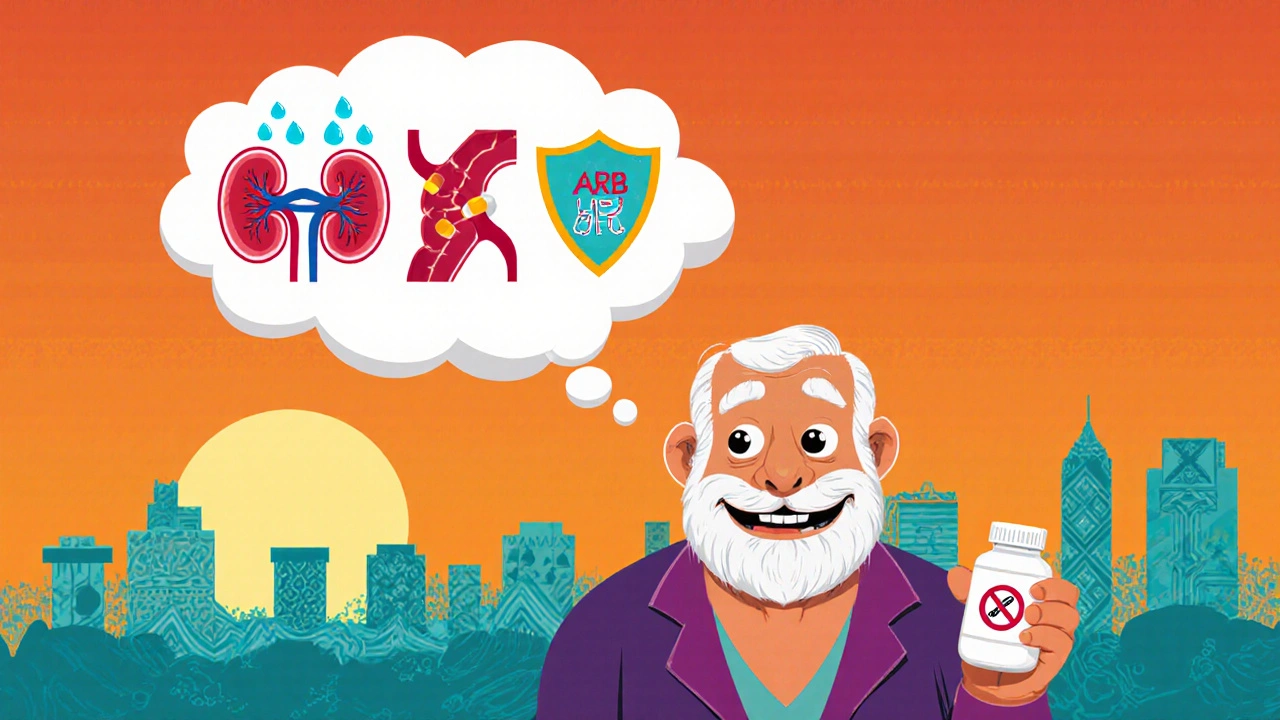
Blood Pressure Medications: Types, Side Effects, and Safety
Learn about the main types of blood pressure medications, their common side effects, safety risks, and how to stay on track with treatment. Understand why some pills work better for certain people and how to avoid dangerous interactions.
read more