
Desiccants for Medication: What They Are and Why They Matter
When you open a bottle of pills, that little packet labeled desiccants for medication, a substance that absorbs moisture to protect drugs from degradation. Also known as drying agents, they’re not just packaging filler—they’re critical to keeping your medicine safe and effective. Without them, humidity can turn tablets into mush, make capsules stick together, or cause powders to clump and lose strength. Even if your meds look fine, moisture can quietly break down active ingredients over time, making them less potent—or worse, unsafe.
Most people don’t think about moisture control, the process of managing humidity levels to preserve pharmaceutical integrity until something goes wrong. But pharmacies, manufacturers, and even mail-order services rely on silica gel, the most common type of desiccant used in drug packaging. Also known as silicon dioxide, it’s non-toxic, cheap, and absorbs up to 40% of its weight in water. You’ve seen it in vitamin bottles, antibiotic packs, and even some insulin containers. It’s not magic—it’s science. And it’s why your prescription doesn’t turn into a sticky mess in your bathroom cabinet.
But here’s the catch: desiccants for medication only work if you leave them in the bottle. Too many people toss the little packet after opening, thinking it’s trash. That’s a mistake. Once you remove the desiccant, moisture from the air starts creeping in. A bottle of insulin left out for weeks without one can lose up to 15% of its potency. Same goes for antibiotics, thyroid meds, or even over-the-counter painkillers. If your medicine isn’t stored right, it’s not just less effective—it might not work at all when you need it most.
And it’s not just about the bottle. Desiccants are also used in shipping. Mail-order pharmacies, like the ones mentioned in posts about 90-day supplies and medication delivery, pack drugs with moisture barriers because humidity during transit can ruin a shipment. The same goes for drugs shipped internationally—especially in tropical climates. That’s why the FDA and drug makers track storage conditions so closely. It’s not just about keeping pills dry—it’s about keeping people healthy.
You’ll find this topic popping up in posts about drug expiration dates, lab monitoring, and even biologic injections. Why? Because moisture affects everything. If your biologic therapy gets damp before you inject it, the protein structure can break down. If your antihistamine absorbs water, it might not dissolve properly in your stomach. Even iron-folic acid supplements can oxidize faster if exposed to humidity, reducing their skin benefits. It’s all connected.
So next time you open a medicine bottle, don’t throw away that packet. Keep it in there. Store your meds in a cool, dry place—not the bathroom. And if you’re buying meds online or getting them shipped, ask if the packaging includes proper moisture protection. These small steps aren’t glamorous, but they’re the quiet heroes behind every pill that works when you need it.
Below, you’ll find real-world guides on how medications are stored, shipped, and protected—from FDA inspections to mail-order safety—so you know exactly what to look for and why it matters.
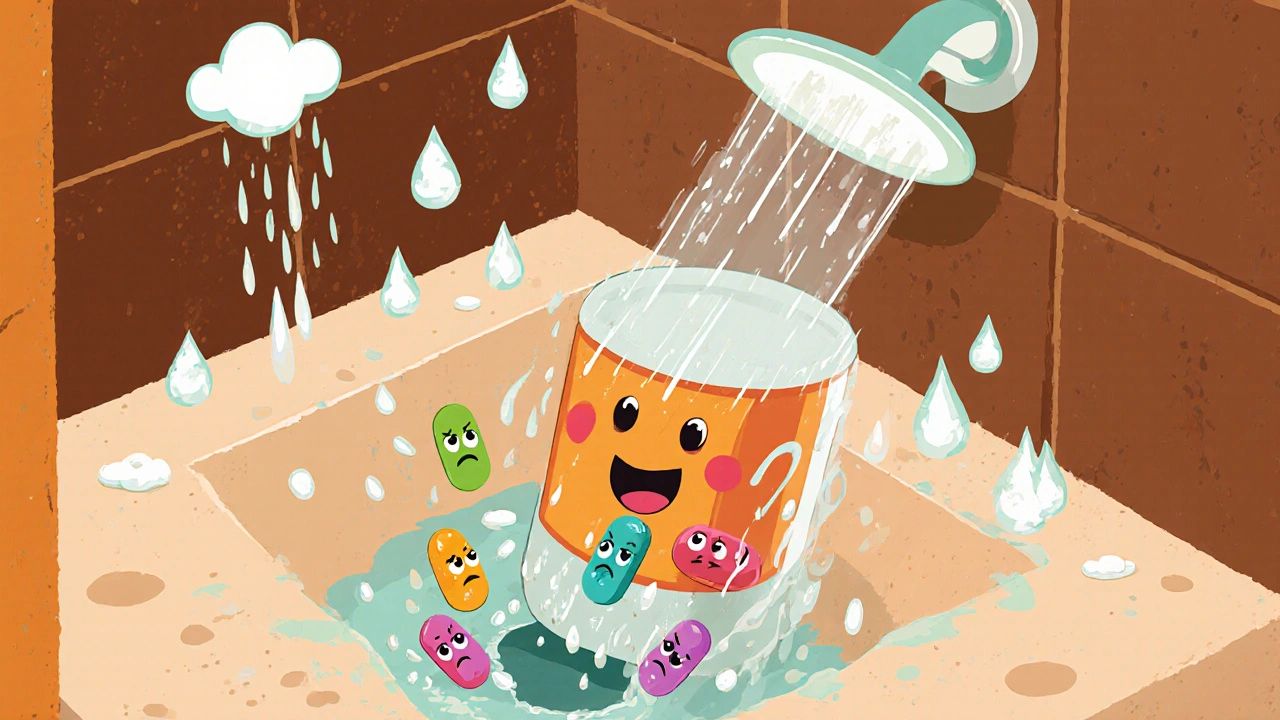
How to Prevent Moisture Damage to Pills and Capsules: A Practical Guide
Moisture can destroy pills and capsules, reducing effectiveness or causing harm. Learn how film coating, desiccants, and proper storage prevent damage-especially in humid climates like Perth.
read more