
Drug Safety Inspections: What They Are and Why They Matter
When you take a pill, you expect it to work — and not hurt you. That’s not luck. It’s the result of drug safety inspections, systematic checks by health authorities to verify that medicines are manufactured, stored, and labeled correctly. Also known as pharmaceutical audits, these inspections are the backbone of every medication you buy, whether it’s a generic or brand-name drug. Without them, contaminated pills, mislabeled doses, or ineffective ingredients could slip into your medicine cabinet.
These inspections don’t just happen at big factories. They cover everything from the raw ingredients coming in, to how the pills are coated, to whether the packaging keeps moisture out — which matters more than you think. Look at the posts here: one explains how moisture damage, a common threat to pills and capsules in humid climates can ruin medication effectiveness. Another shows why lab monitoring calendars, tools used to track blood levels and catch side effects early are critical for drugs like lithium or warfarin. These aren’t random topics — they’re all connected to the same goal: making sure what you take is safe, stable, and accurate.
Drug safety inspections also catch problems before they become crises. Think about the FDA extending expiration dates during shortages — that’s not a loophole, it’s a controlled decision made possible because inspectors already verified the drug’s stability under extended storage. Or consider how biologic therapy injection, a complex treatment requiring sterile technique is only approved after manufacturers prove their training programs and packaging prevent contamination. Even something as simple as choosing between generic and brand-name drugs ties back to these inspections: generics are just as safe because they’re held to the same standards.
These checks don’t just protect you from bad drugs — they protect you from bad decisions. Mixing gabapentin with opioids? That’s a known risk flagged in drug safety reports. Antihistamines with alcohol? Inspections help build the evidence behind those warnings. The posts below cover real cases where safety gaps led to real harm — and how inspections prevent them.
You won’t see inspectors walking into your home. But every time you open a bottle, check the label, or follow your doctor’s advice on timing and dosage, you’re benefiting from the work they do. The collection here doesn’t just list problems — it shows you how the system works to keep you safe, from the factory floor to your medicine shelf.
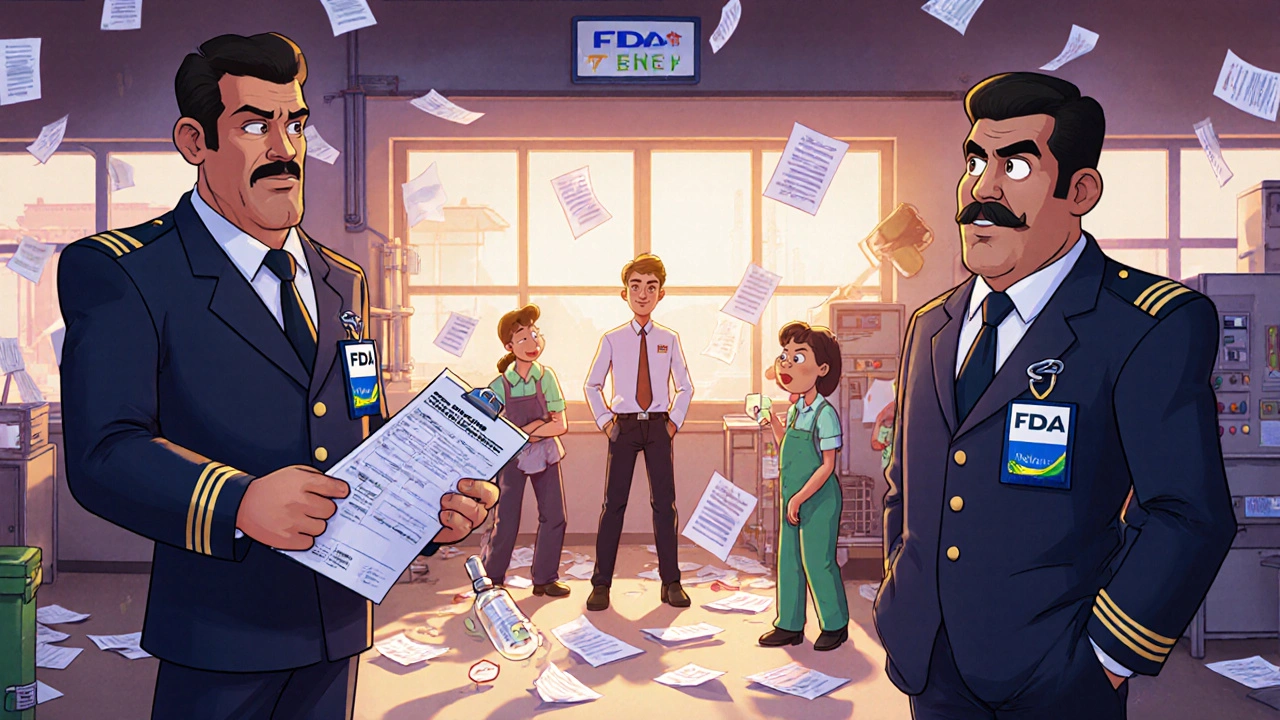
Unannounced FDA Inspections: Why Surprise Visits Are Critical for Drug and Food Safety
Unannounced FDA inspections ensure real-world compliance in drug and food manufacturing. Since May 2025, surprise visits now apply to foreign facilities too, closing a dangerous loophole. Learn how they work-and how to be ready without warning.
read more