
FDA Expiration Extensions: What They Mean for Your Medications
When you see an expiration date on a pill bottle, it doesn’t always mean the medicine stops working on that day. The FDA expiration extensions, official allowances that let certain drugs remain usable beyond their labeled dates under controlled conditions. Also known as extended shelf life, these extensions are based on real-world stability data collected by the FDA and military supply programs. They’re not random guesses—they’re science-backed decisions made after testing drugs under controlled heat, humidity, and light conditions to see how long they stay effective and safe.
FDA expiration extensions aren’t something pharmacies apply on their own. They come from federal programs like the Shelf Life Extension Program (SLEP), which tests stockpiled medications—especially those used in emergencies or by the military. When results show a drug still meets purity and potency standards years after its printed date, the FDA approves an extension. This isn’t just about saving money; it’s about keeping life-saving drugs available when supply chains break down. During the COVID-19 pandemic, these extensions helped hospitals stretch critical supplies of ventilators, anesthetics, and antibiotics. And while most people never see the paperwork, your local pharmacy might be dispensing a batch of blood pressure pills or antibiotics that are legally good for another year or two beyond the label.
But here’s the catch: these extensions only apply to specific drugs under specific storage conditions. If your medicine was left in a hot car, a damp bathroom, or exposed to direct sunlight, the extension doesn’t protect you. The FDA doesn’t extend expiration dates for all drugs—only those proven stable over time. Insulin, nitroglycerin, and liquid antibiotics are usually excluded. And no, you can’t take an expired drug just because you saw a news story about FDA extensions. Only drugs distributed through government or regulated systems with documented testing qualify. If your prescription bottle says "expires 12/2024," don’t assume it’s still safe in 2026 unless your pharmacy confirms it’s part of an approved extension program.
That’s why unannounced FDA inspections, surprise audits of drug manufacturers and distributors to ensure compliance with storage and labeling rules. Also known as FDA surprise visits, these checks are critical for making sure expiration extensions aren’t abused. Inspectors look at temperature logs, packaging integrity, and whether expired stock is properly segregated. A single mistake in storage can invalidate an entire batch. That’s why your mail-order pharmacy’s 90-day supply is often shipped with desiccants and sealed packaging—it’s not just convenience, it’s compliance.
And while you’re thinking about medication safety, remember that expiration dates aren’t the only thing that matters. Drugs like gabapentinoids, opioids, and antihistamines can become dangerous if stored improperly—even if they’re within their labeled date. Moisture damage, heat exposure, and contamination can change how your body reacts to a pill. That’s why lab monitoring calendars and proper pill storage aren’t optional—they’re part of the same safety chain that makes FDA expiration extensions meaningful.
Below, you’ll find real-world guides that connect directly to this topic: how to store pills safely, what happens during FDA inspections, why generic drugs are trusted even after expiration, and how pharmacies manage supply under pressure. These aren’t theoretical discussions—they’re practical tools used by patients, pharmacists, and inspectors every day. Know your meds. Know your rights. And know when a date on a bottle is just the beginning of the story.
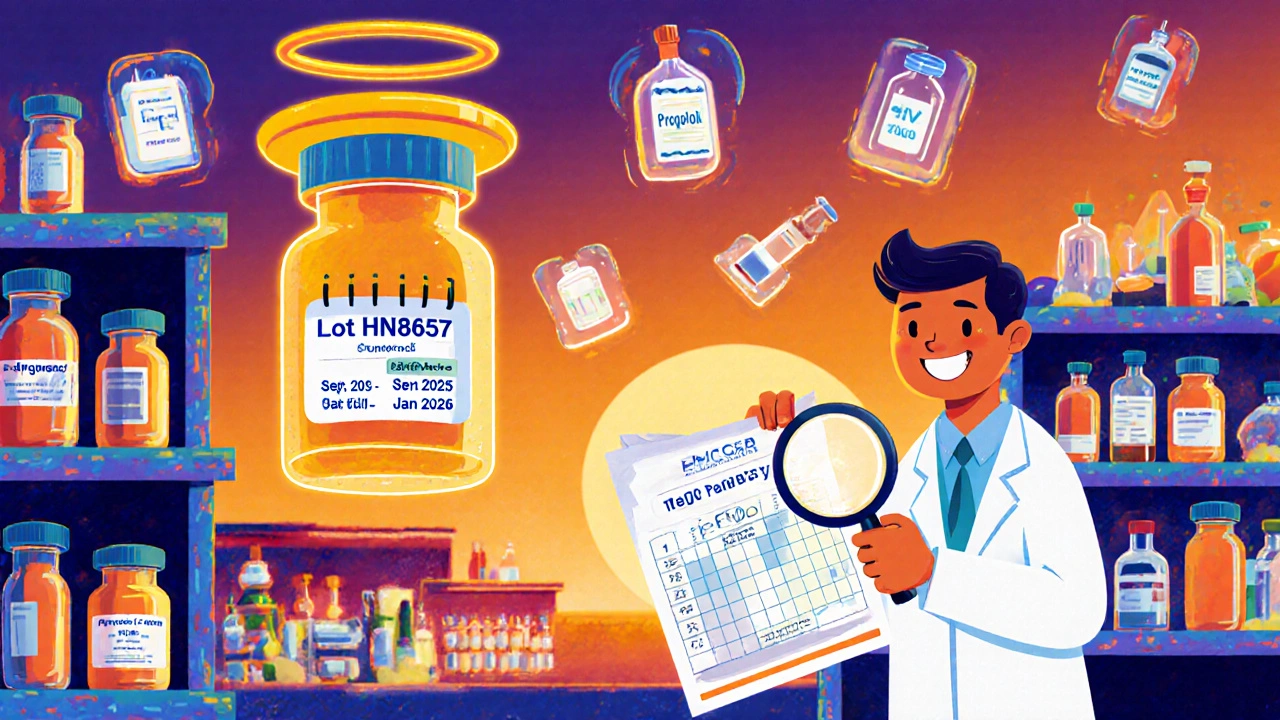
Extended Use Dates: How the FDA Extends Drug Expiration Dates During Shortages
The FDA extends expiration dates of critical drugs during shortages to ensure patient access when supply is low. Learn how the process works, which drugs qualify, and what providers must do to use extended-date medications safely.
read more