
Generic Drug Prices: What You Really Pay and How to Save
When you hear generic drug prices, the cost of medications that contain the same active ingredients as brand-name drugs but are sold without a brand label. Also known as generic medications, they make up over 90% of prescriptions filled in the U.S. and are just as safe and effective—but the price you see on your receipt doesn’t always tell the whole story. Why does one pharmacy charge $4 for metformin while another wants $40? It’s not about quality. It’s about supply chains, pharmacy benefit managers, and whether you’re paying cash or using insurance.
Brand-name drugs, medications developed and marketed under a proprietary name by the original manufacturer. Also known as originator drugs, they carry high prices because of patent protection and marketing costs. But once the patent expires, multiple companies can make the same drug. That’s when prescription savings, reductions in out-of-pocket costs for medications through generics, mail-order services, or discount programs kick in. The savings aren’t always obvious. A 30-day supply of lisinopril might cost $12 at Walmart, $8 at Costco, or $3 with a GoodRx coupon. The same pill. Different price tags. And if you’re on a 90-day supply through a mail-order pharmacy, you could save hundreds a year—something our post on mail-order pharmacies breaks down with real numbers.
Not all pharmacy cost comparison, the practice of checking prices across different pharmacies or programs to find the lowest out-of-pocket cost for a medication tools are created equal. Some apps show list prices, not what you’ll actually pay. Others don’t include coupons or insurance discounts. The key is to check multiple sources. Ask your pharmacist if they offer a cash discount. Use free tools like GoodRx or SingleCare. And don’t assume your insurance always gives you the best rate—sometimes paying cash is cheaper. This isn’t just about being frugal. It’s about making sure you can afford to take your meds every day. When people skip doses because of cost, it leads to bigger health problems—and higher bills down the road.
What’s surprising is how much these prices vary by region, even within the same city. A study from the Journal of the American Pharmacists Association found that the price of atorvastatin ranged from $2 to $50 across different pharmacies in a single metro area. That’s not a typo. The difference isn’t about the pill. It’s about who’s running the register. And if you’re on multiple medications, those small differences add up fast. One person taking five generics might save $1,200 a year just by switching where they fill prescriptions.
Doctors push generics because they know the science. As our post on why doctors recommend generics explains, there’s no clinical difference in effectiveness. But patients still hesitate—because they don’t understand the pricing. They think cheaper means worse. It doesn’t. The FDA requires generics to meet the same standards as brand names. Same active ingredient. Same strength. Same way it works in your body. The only differences are in the fillers, the color, or the shape of the pill. Nothing that affects how it helps you.
So what do you actually need to know? First, generic drug prices are not set in stone. Second, you have more control over them than you think. Third, the savings are real—and they’re worth chasing. Below, you’ll find real stories and practical guides on how to cut costs without cutting corners: from mail-order pharmacies that deliver savings to your door, to how to spot when a generic isn’t working (and what to do next). You’ll see how people manage side effects of meds like mycophenolate, how to store pills properly to avoid waste, and how lab monitoring helps you stay safe while saving money. This isn’t about guessing. It’s about knowing what to ask, where to look, and how to make your medication budget work for you—not against you.
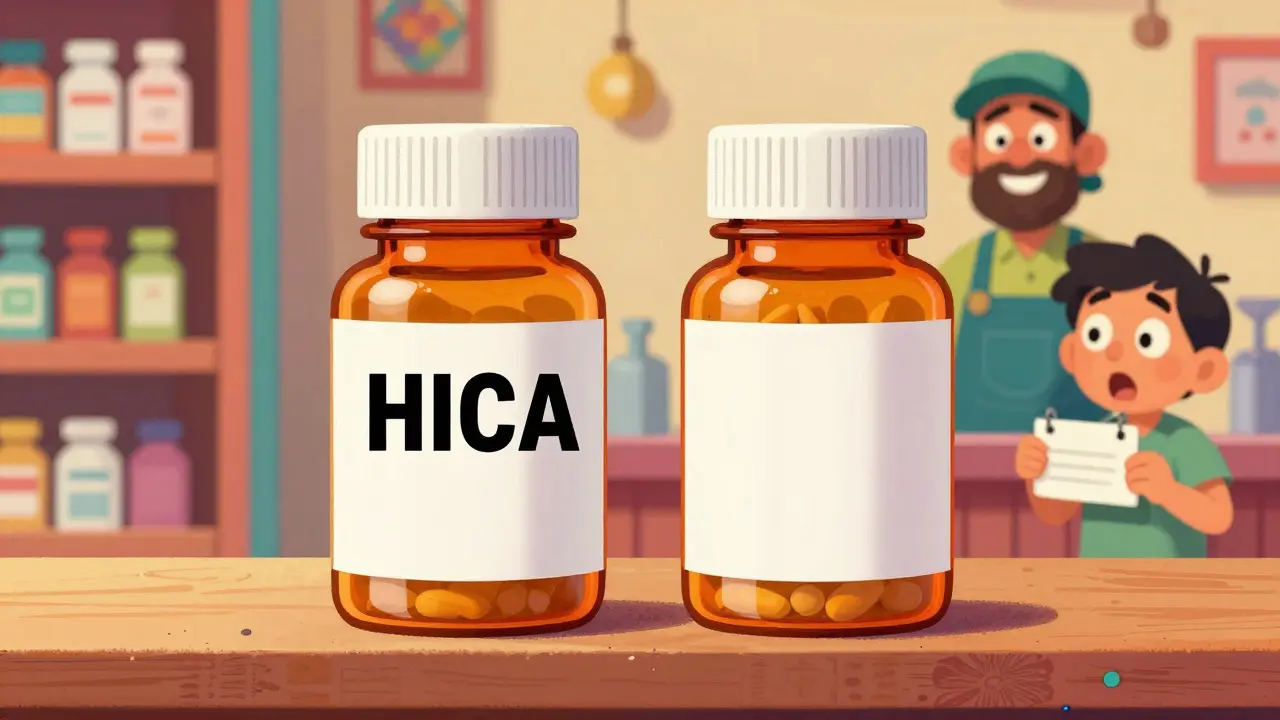
Cost Comparison: Authorized Generics vs First-to-File Generics in the U.S. Drug Market
Authorized generics and first-to-file generics both lower drug costs, but authorized generics drive prices down faster and deeper during the critical 180-day exclusivity window, saving consumers and insurers significant money.
read more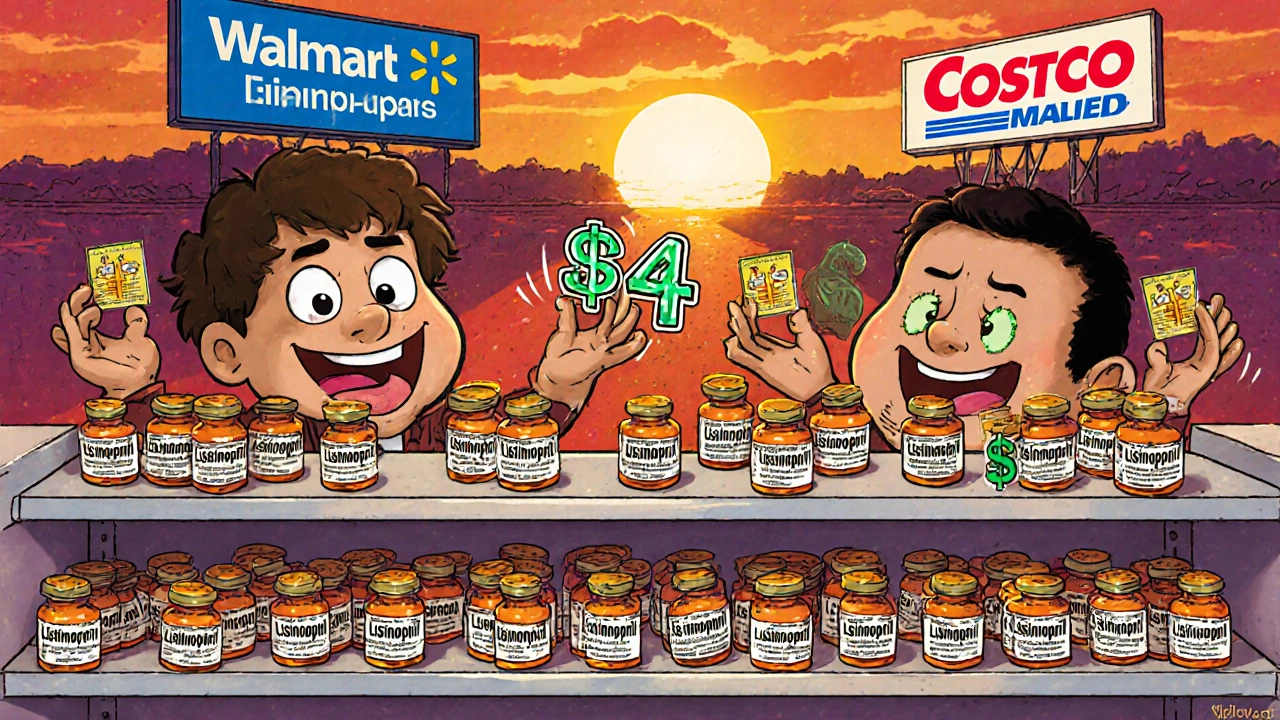
Generic Drug Prices: Why Americans Pay Less Than Europeans
Americans pay less for generic drugs than Europeans, but far more for brand-name medications. This article explains why the US and European systems create this pricing gap-and what it means for patients and global innovation.
read more