
Mail-Order Pharmacy: Safe, Affordable Medication Delivery Explained
When you need medication every month—whether it’s for high blood pressure, diabetes, or depression—a mail-order pharmacy, a service that ships prescription drugs directly to your home. Also known as online pharmacy, it’s not just convenient—it’s often cheaper and more reliable than walking into a local store. Many people use it for long-term prescriptions because it cuts out the hassle of monthly trips, reduces the chance of running out, and sometimes lowers costs by 30% or more.
But not all mail-order pharmacies are the same. Some are licensed, regulated, and connected to your insurance. Others are shady websites selling fake or expired pills. The key is knowing what to look for: a valid license, a U.S.-based physical address, and a requirement for a real prescription. The FDA doesn’t allow pharmacies to ship controlled substances without proper verification, and legitimate mail-order services follow that rule. You’ll also find that most trusted ones work directly with your doctor or insurer, so your records stay updated and your meds are tracked properly.
Why do so many people switch? Because it works. If you’re on a monthly drug like generic Plavix, seroquel, or paroxetine, getting it delivered means fewer missed doses. And when you’re managing something like diabetes or heart disease, consistency matters more than you think. A 2023 study by the CDC found that patients using mail-order services for chronic conditions were 22% more likely to stick to their regimen than those who picked up prescriptions in person. That’s not magic—it’s simple logistics. No traffic, no waiting, no forgetting.
But there’s more to it than just saving time. Mail-order pharmacies often bundle refills, send reminders, and even include free drug interaction checks. They’re the reason you can get generic medications at prices that make sense—especially when brand-name drugs cost hundreds a month. And when shortages hit, like with insulin or warfarin, mail-order services often have better stock because they buy in bulk and manage inventory smarter than a single store.
Still, safety is everything. Never buy from a site that doesn’t ask for your prescription. Watch out for offers that sound too good to be true—like “no prescription needed” or “90% off brand names.” Those are red flags. Legit mail-order pharmacies follow the same rules as your local pharmacist: they verify your identity, confirm your doctor’s order, and check for dangerous interactions. They also store meds properly—no heat, no moisture, no expired pills. That’s why you’ll see articles here about pill storage, drug expiration dates, and moisture damage—because even the best delivery system fails if the meds get ruined before they reach you.
And let’s not forget the human side. If you’re elderly, disabled, or live far from a pharmacy, mail-order isn’t just a convenience—it’s a lifeline. It’s how people with mobility issues stay on track. It’s how parents with sick kids avoid rushing to the store at midnight. It’s how people in rural areas get access to meds that aren’t stocked locally. This isn’t about technology replacing people—it’s about systems working better so people don’t have to choose between their health and their time.
What you’ll find below is a collection of real, practical guides on how to use mail-order pharmacies safely, how to spot scams, how to handle refills, and how to deal with problems when your meds don’t arrive or look wrong. You’ll also learn how to compare prices, talk to your doctor about switching, and understand why some drugs are only available through certain channels. These aren’t theory pieces—they’re lessons from people who’ve been there, made mistakes, and figured it out.
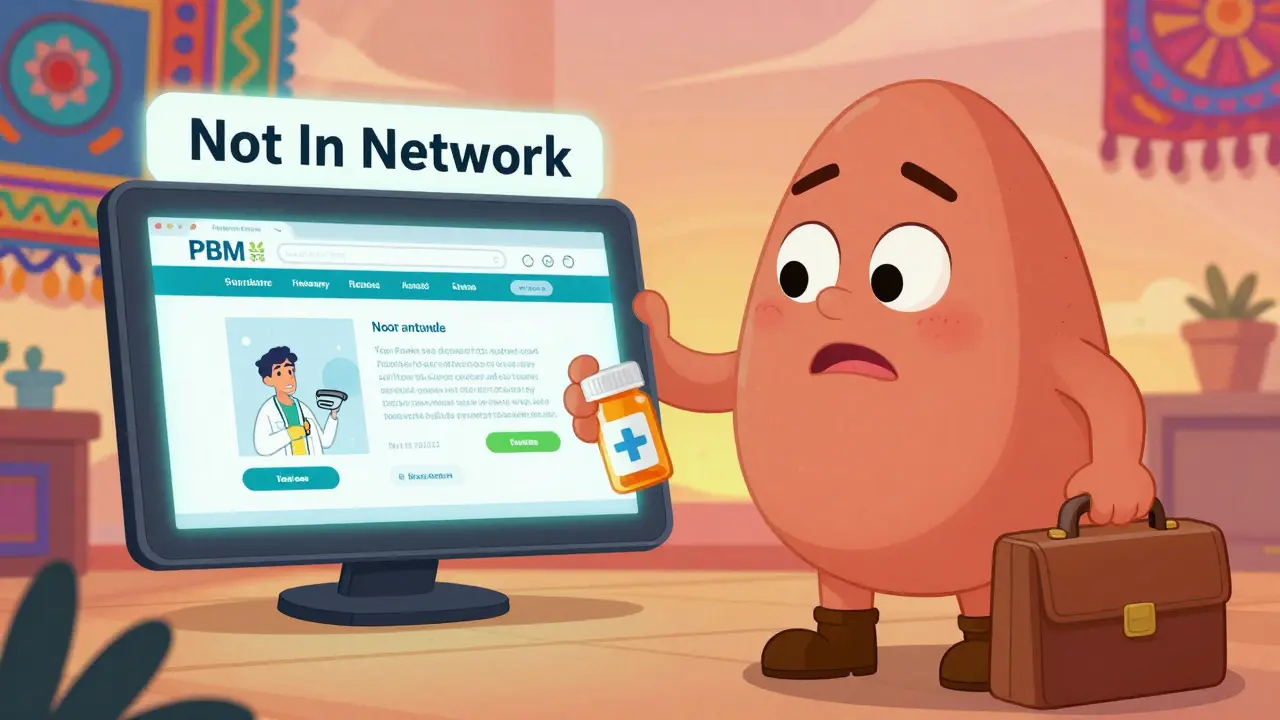
Insurance Coverage of Online Pharmacy Generics: What You Need to Know in 2025
Learn how insurance covers generic drugs from online pharmacies in 2025, including mail-order vs. independent sites, RxPass, formulary rules, and how to save money without getting stuck with unexpected bills.
read more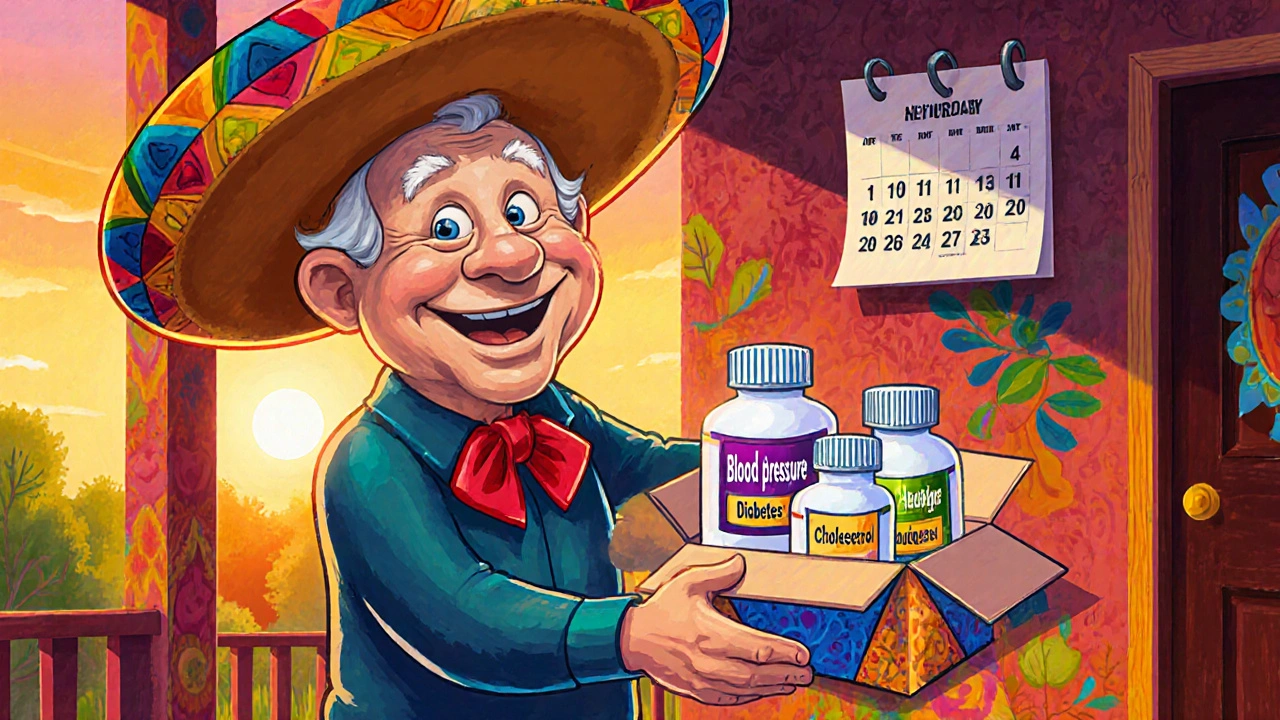
Mail-Order Pharmacy Cost Savings: Pros and Cons
Mail-order pharmacies offer 90-day supplies of maintenance medications at lower costs, improving adherence and saving hundreds annually. Learn the real pros, cons, and who benefits most.
read more