
Moisture Damage Pills: How Humidity Ruins Medications and How to Prevent It
When your pills get damp, they’re not just sticky—they’re moisture damage pills. This isn’t just about appearance. Water exposure can break down active ingredients, change how your body absorbs the drug, or even create harmful byproducts. moisture damage pills, medications degraded by humidity or water exposure that lose effectiveness or become unsafe. Also known as wet pills, they’re a silent threat in bathrooms, kitchens, and uncontrolled storage spaces. Many people don’t realize their medicine cabinet is the worst place to keep pills—high heat and steam from showers turn it into a humidity trap.
medication storage, the practice of keeping drugs in conditions that preserve their chemical stability and potency. Proper storage isn’t optional—it’s a medical necessity. The FDA and drug manufacturers test pills under controlled humidity levels, usually below 60%. But your home? It’s rarely that controlled. Moisture can cause tablets to crumble, capsules to stick together, or liquid medications to grow mold. pill degradation, the chemical breakdown of active ingredients due to environmental factors like heat, light, or moisture. This isn’t theoretical. In one 2023 study, 12% of insulin pens stored in humid bathrooms lost more than 15% potency within 30 days. That’s not a small drop—it’s a treatment failure.
And it’s not just about effectiveness. humidity effects on drugs, how moisture in the air alters drug chemistry, leading to reduced potency or toxic byproducts. Some medications, like nitroglycerin or certain antibiotics, are especially sensitive. A damp pill might look fine, but its active ingredient could be half gone—or worse, turned into something your body can’t handle safely. You might not notice until you’re not getting relief, or worse, you have an unexpected reaction.
Fixing this is simple. Don’t store pills in the bathroom. Don’t leave them in the car. Don’t keep them in a drawer above the sink. Use a cool, dry place—like a bedroom drawer or a sealed container with a silica gel packet. If you’re traveling, use a small pill case with a tight seal. Check your pills monthly. If they smell funny, feel sticky, or change color, toss them. Your health isn’t worth the risk.
Below, you’ll find real advice from people who’ve dealt with this—how mail-order pharmacies protect shipments, how labs track drug stability, and what to do when your meds don’t work like they should. These aren’t guesses. They’re proven steps to keep your medicine safe, strong, and ready when you need it.
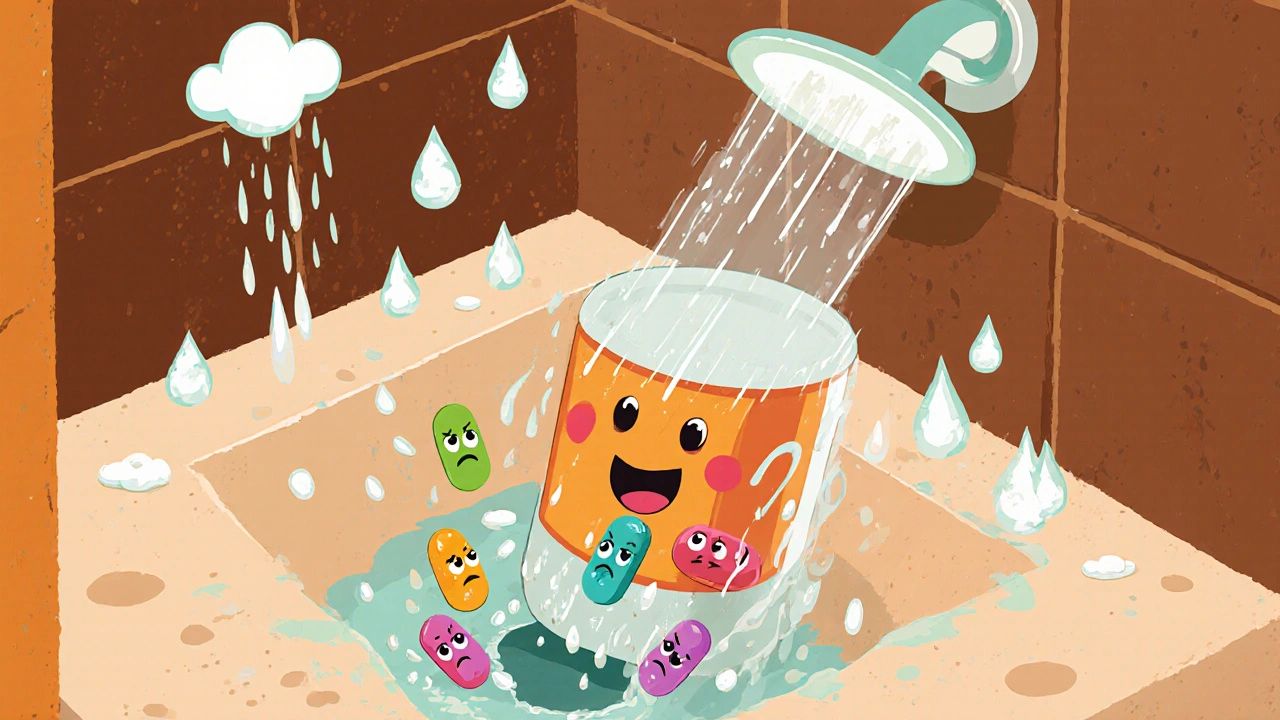
How to Prevent Moisture Damage to Pills and Capsules: A Practical Guide
Moisture can destroy pills and capsules, reducing effectiveness or causing harm. Learn how film coating, desiccants, and proper storage prevent damage-especially in humid climates like Perth.
read more