
NSAID Risks: What You Need to Know About Painkiller Dangers
When you take an NSAID, a nonsteroidal anti-inflammatory drug used to reduce pain, fever, and inflammation. Also known as non-opioid pain relievers, these drugs include common names like ibuprofen, naproxen, and aspirin—and they’re everywhere: your medicine cabinet, your grocery store, your doctor’s prescription pad. But what most people don’t realize is that even a daily pill can quietly damage your body over time.
NSAIDs work by blocking enzymes that cause inflammation, but they also shut down protective ones in your stomach and kidneys. That’s why gastrointestinal bleeding, a serious side effect where the stomach or intestinal lining gets damaged is one of the most common reasons people end up in the ER after taking NSAIDs. It’s not rare—it happens to tens of thousands every year in the U.S. alone. And it doesn’t always come with warning signs. Some people feel fine until they suddenly vomit blood or pass black, tarry stools. Older adults, people with a history of ulcers, or those taking blood thinners are at highest risk—but even healthy 30-year-olds aren’t immune if they’re popping pills daily for back pain or headaches.
Then there’s the kidney damage, a silent threat that builds up over months or years of regular NSAID use. Your kidneys rely on the same enzymes NSAIDs block to regulate blood flow and filter waste. Long-term use can lead to reduced kidney function, fluid retention, and even acute kidney injury—especially if you’re dehydrated, have high blood pressure, or already have kidney issues. And it’s not just prescription doses. Taking two Advil a day for months? That’s enough to cause harm. Meanwhile, cardiovascular risks, including increased chance of heart attack and stroke, are now well-documented, even for short-term use. The FDA has warned about this for years, but most people still think, "It’s just a painkiller."
What makes NSAID risks so tricky is that they’re often invisible until it’s too late. Unlike antibiotics, where you feel better or get a rash, NSAID damage creeps in slowly. You don’t suddenly feel sick—you just notice you’re more tired, your ankles are swollen, or your stomach feels off. And because these drugs are so easy to get, people don’t track how much they’re using or for how long. A 2023 study in The BMJ found that over half of adults who took NSAIDs daily for more than six months had no idea they were putting themselves at risk.
That’s why knowing the real dangers matters. It’s not about avoiding NSAIDs entirely—it’s about using them wisely. If you’re taking them for chronic pain, you need to know if it’s worth the cost. If you’re using them for a sprained ankle, you need to know when to stop. And if you’re older, have high blood pressure, or take other meds, you need to talk to your doctor before the next bottle runs out. The posts below cover exactly that: who’s most at risk, what alternatives actually work, how to spot early warning signs, and why acetaminophen might be safer in some cases—even during pregnancy. You’ll find real stories, clinical data, and practical steps to protect yourself without giving up pain relief entirely.
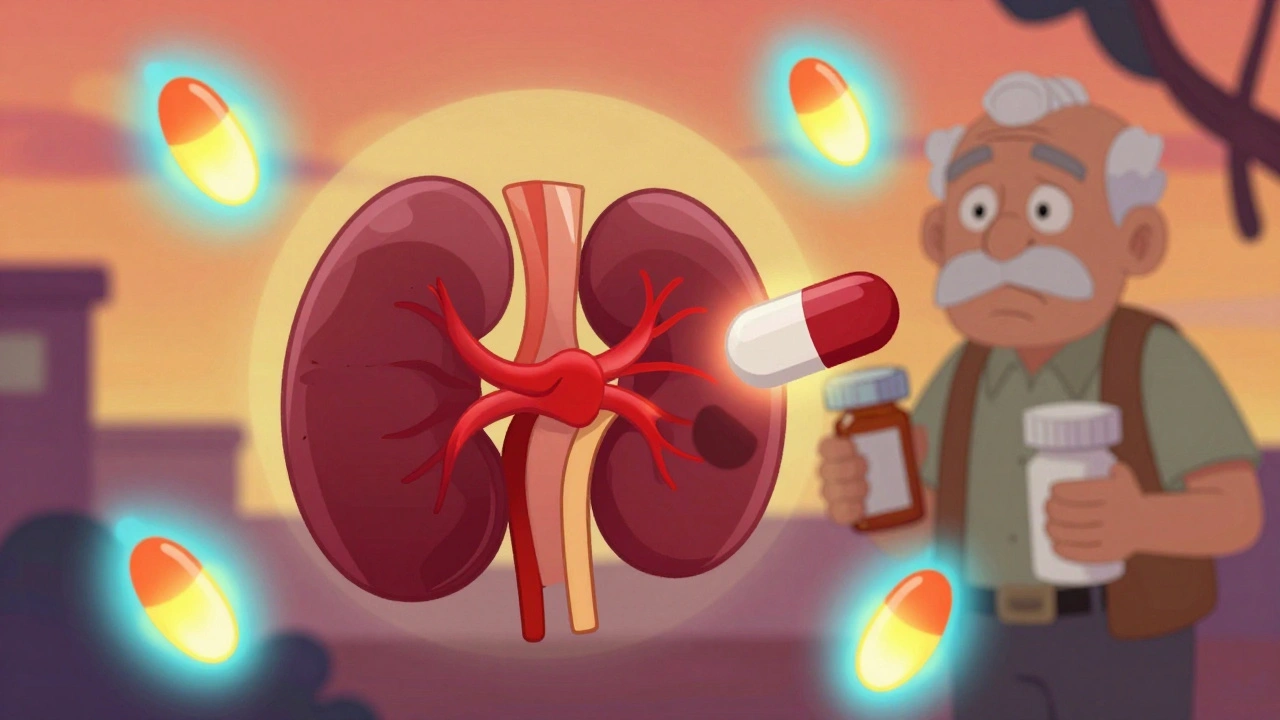
NSAIDs and Kidney Disease: How to Prevent Acute Kidney Injury
NSAIDs like ibuprofen and naproxen can cause acute kidney injury, especially in people with kidney disease or other risk factors. Learn how to recognize the danger, avoid deadly drug combinations, and choose safer pain relief options.
read more