
NSAIDs: What They Are, How They Work, and What You Need to Know
When you reach for ibuprofen or naproxen to ease a headache, sore muscles, or menstrual cramps, you’re using a class of drugs called NSAIDs, nonsteroidal anti-inflammatory drugs that reduce pain, fever, and inflammation by blocking enzymes linked to swelling. Also known as nonsteroidal anti-inflammatories, these medications are among the most widely used over-the-counter remedies in the world. But NSAIDs aren’t just simple painkillers—they affect your stomach, kidneys, heart, and even pregnancy outcomes. That’s why knowing how they work—and when not to use them—is just as important as knowing how to take them.
NSAIDs work by targeting two enzymes, COX-1 and COX-2, that trigger inflammation and pain signals. But COX-1 also protects your stomach lining and helps your kidneys function properly. When you block it, you might get relief from arthritis pain—but you could also end up with an ulcer or elevated blood pressure. That’s why ibuprofen, a common NSAID often taken for minor aches isn’t safe for long-term daily use, and why naproxen, another NSAID with longer-lasting effects carries a higher risk for heart problems in older adults. And if you’re pregnant, NSAIDs can harm fetal development after 20 weeks, which is why doctors recommend acetaminophen instead. These aren’t just side effects—they’re real, documented risks tied directly to how the drugs function in your body.
What you’ll find in this collection isn’t just a list of NSAID brands or dosages. It’s a practical guide to understanding when these drugs help and when they hurt. You’ll see how NSAIDs interact with pregnancy, why they’re sometimes avoided in people with kidney disease, and how they compare to other pain treatments like acetaminophen or physical therapy. You’ll also find posts on how central sensitization—a condition where nerves become hypersensitive—can make NSAIDs less effective over time, and why some people need to switch medications entirely. Whether you’re managing chronic pain, worried about side effects, or just trying to make sense of what your doctor told you, these articles give you clear, no-fluff answers based on real data and patient experiences.
There’s no one-size-fits-all answer when it comes to NSAIDs. What works for your neighbor might not work for you—and what’s safe for a 30-year-old might be dangerous for a 65-year-old. The posts here are designed to help you ask the right questions, recognize warning signs, and make smarter choices about pain relief—without relying on marketing claims or guesswork.
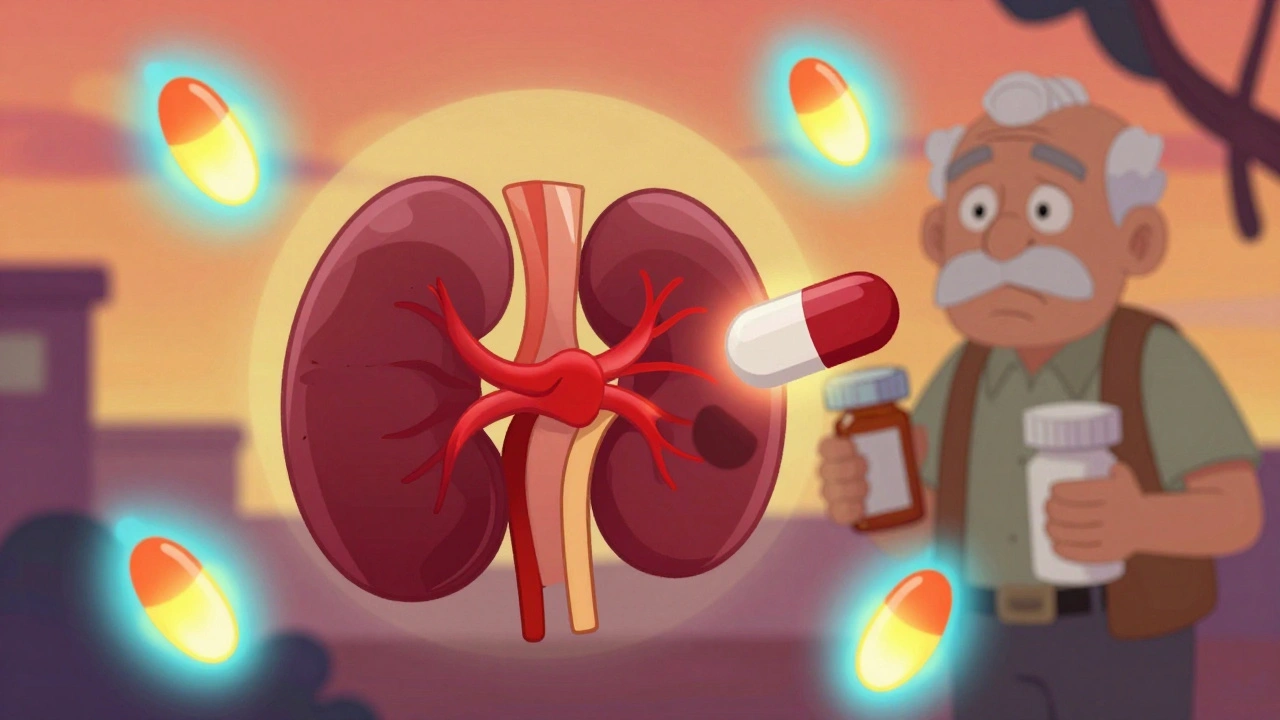
NSAIDs and Kidney Disease: How to Prevent Acute Kidney Injury
NSAIDs like ibuprofen and naproxen can cause acute kidney injury, especially in people with kidney disease or other risk factors. Learn how to recognize the danger, avoid deadly drug combinations, and choose safer pain relief options.
read more