
Opioid Side Effects: What You Need to Know Before Taking Them
When you take opioids, a class of powerful pain-relieving drugs that include oxycodone, hydrocodone, morphine, and fentanyl. Also known as narcotics, they work by binding to receptors in your brain and spinal cord to block pain signals. But they don’t just turn off pain—they turn down your body’s natural alarms too. That’s why even short-term use can bring side effects like dizziness, nausea, and constipation. For some, these are mild. For others, they’re the first sign of something much more serious.
Respiratory depression, a dangerous drop in breathing rate that can lead to coma or death is the most feared opioid side effect. It’s not rare. In fact, it’s why emergency rooms see so many overdose cases every year. Even people who’ve taken opioids for years without issues can suddenly face this risk if they mix them with alcohol, sleep aids, or benzodiazepines. And it’s not just about misuse—this can happen even when you follow your doctor’s instructions exactly. Then there’s opioid dependence, a physical state where your body adapts to the drug and needs it to feel normal. It’s not the same as addiction, but it’s often the gateway to it. Withdrawal symptoms—sweating, shaking, stomach cramps, and intense anxiety—can start within hours of missing a dose.
Many people don’t realize how quickly tolerance builds. What worked last month may not work this month, leading some to increase their dose without consulting a doctor. That’s when the risk skyrockets. And while pain management, the goal of using opioids to control chronic or severe pain is valid, it’s not the only option. Physical therapy, nerve blocks, and non-opioid medications like gabapentin or acetaminophen can often do the job without the same dangers.
You won’t find every opioid side effect listed here, but you’ll find the ones that matter most—the ones that land people in the hospital, the ones that get ignored until it’s too late. The articles below cover real cases: how one person avoided withdrawal by switching medications, how another caught early signs of overdose through lab monitoring, and how some patients found safer alternatives after years on opioids. These aren’t theoretical warnings. These are stories from people who lived through it. And they’re here to help you make smarter choices.
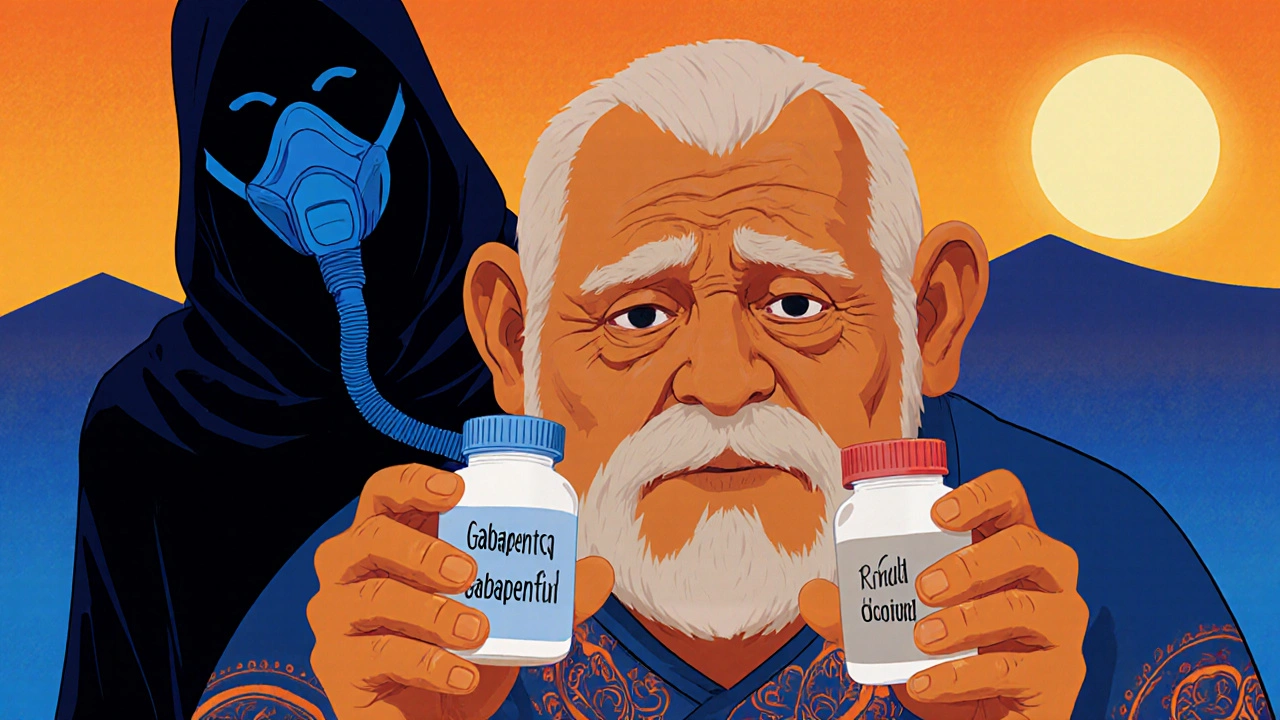
Gabapentinoids and Opioids Together: What You Need to Know About Respiratory Risks
Combining gabapentinoids like gabapentin or pregabalin with opioids can increase the risk of dangerous respiratory depression, especially in older adults or those with lung conditions. Learn who's at risk and what to do.
read more