
Pregabalin Risks: What You Need to Know Before Taking It
When you take pregabalin, a gabapentinoid medication used for nerve pain, epilepsy, and anxiety. Also known as Lyrica, it works by calming overactive nerves in the brain and spinal cord. But this calming effect isn’t harmless. Pregabalin can slow your breathing, make you dizzy, and in some cases, lead to dependence—even when taken exactly as prescribed.
People who use pregabalin, a gabapentinoid medication used for nerve pain, epilepsy, and anxiety. Also known as Lyrica, it works by calming overactive nerves in the brain and spinal cord often report drowsiness, weight gain, and swelling in hands or feet. These aren’t rare side effects—they happen in up to 1 in 5 users. More serious risks include central nervous system depression, a dangerous drop in brain activity that can slow breathing or cause unconsciousness, especially when mixed with opioids, alcohol, or benzodiazepines. The FDA has warned that combining pregabalin with these drugs increases the chance of fatal overdose. Even if you’re not on other meds, long-term use can lead to tolerance, meaning you’ll need higher doses to feel the same effect. Withdrawal symptoms like insomnia, nausea, and anxiety can kick in within days of stopping.
Some users develop unusual behaviors—impulse control problems, increased libido, or even compulsive gambling. These aren’t listed on every label, but they’re documented in clinical reports. If you’re taking pregabalin for neuropathic pain, nerve damage caused by diabetes, shingles, or injury, ask your doctor if the benefits still outweigh the risks after six months. It’s not a cure—it’s a symptom manager. And like any drug that affects your brain, it demands attention, not just compliance.
The posts below cover real cases and practical advice on managing pregabalin safely. You’ll find guides on spotting early signs of dependence, how to talk to your doctor about tapering off, and what alternatives exist for nerve pain. Some articles even compare pregabalin to gabapentin, showing which one works better for certain people—and which carries fewer risks. Whether you’re just starting out or have been on it for years, this collection gives you the facts you won’t get from a pharmacy label.
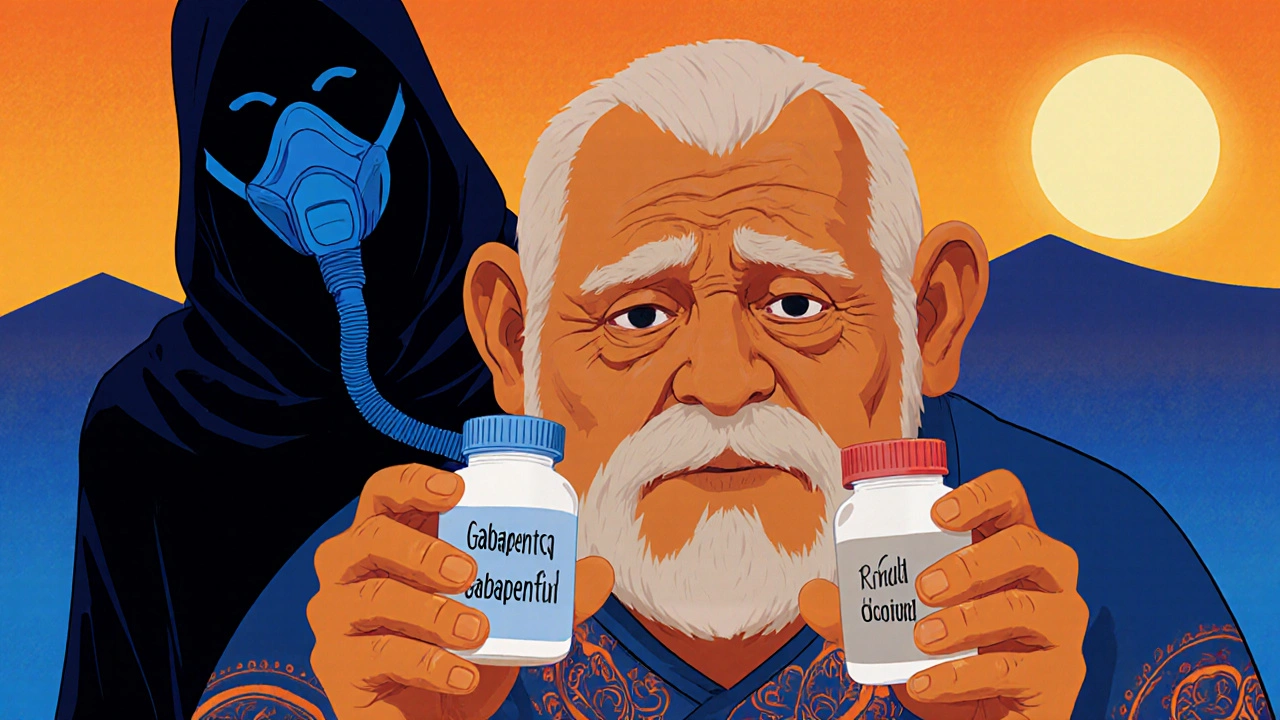
Gabapentinoids and Opioids Together: What You Need to Know About Respiratory Risks
Combining gabapentinoids like gabapentin or pregabalin with opioids can increase the risk of dangerous respiratory depression, especially in older adults or those with lung conditions. Learn who's at risk and what to do.
read more