
Prescription Drug Tiers: How Your Insurance Sorts Meds and What It Costs You
When you pick up a prescription, the price you pay isn’t just about the drug—it’s shaped by something called a prescription drug tier, a system used by insurance plans to group medications by cost and coverage. Also known as a drug formulary, it’s how your pharmacy benefit manager decides what you pay out-of-pocket for each pill, shot, or inhaler. You might not see it on your receipt, but these tiers control whether you pay $5, $40, or $300 for the same medicine your neighbor got cheaper.
Most plans use 3 to 5 tiers. Tier 1 is usually generic drugs—like metformin for diabetes or lisinopril for blood pressure—often under $10. Tier 2 includes preferred brand-name meds, like Lipitor before it went generic. Tier 3 is non-preferred brands, which cost more because insurers want you to try cheaper options first. Tier 4? That’s specialty drugs—biologics for rheumatoid arthritis, cancer treatments, or rare disease meds. And Tier 5? Some plans don’t even list it, but if you’re on a drug like Humira or Enbrel, you’re likely there—and paying hundreds, sometimes over a thousand dollars per month.
Why does this matter? Because your doctor might prescribe a drug that’s perfectly effective, but if it’s on Tier 3 and your plan pushes Tier 1 generics, you’ll either pay more or get denied unless your doctor files a prior authorization. That’s not a glitch—it’s the system. And it’s why you see so many articles here about generic drug prices, how the same pill can cost half as much in the U.S. versus Europe, or why mail-order pharmacy, a way to get 90-day supplies at lower costs saves people hundreds yearly. It’s all connected. Your tier affects your access, your budget, and even whether you stick with treatment.
Some people don’t even know their plan has tiers until they get hit with a surprise bill. Others learn the hard way—like when their insurance stops covering a drug they’ve been on for years, and suddenly they’re stuck choosing between rent and refills. But you don’t have to be clueless. You can ask your pharmacist which tier your meds are on. You can check your plan’s formulary online. You can ask your doctor if there’s a generic or preferred brand alternative. And if you’re on a high-tier drug, you might qualify for patient assistance programs—something we’ve covered in posts about how to manage side effects, reduce costs, and navigate the system without giving up your health.
This collection of articles isn’t just about how drugs work—it’s about how you get them, how much they cost, and what you can do when the system feels stacked against you. You’ll find real-world guides on how cardiovascular combination generics, like polypills that bundle three heart meds into one cut costs, how the FDA’s ANDA process, lets generics reach the market faster and cheaper, and why doctors push generics even when patients hesitate. You’ll see how lab monitoring calendars, help track side effects for high-risk meds keep you safe, and how mail-order pharmacy, a way to get 90-day supplies at lower costs helps with adherence. These aren’t random posts—they’re all pieces of the same puzzle: understanding how your insurance, your meds, and your wallet interact.
Knowing your drug tier won’t fix the system—but it will give you power. You’ll know when to push back, when to ask for alternatives, and when to look for savings. Below, you’ll find practical, no-fluff advice from people who’ve been there. No jargon. No sales pitches. Just what works.
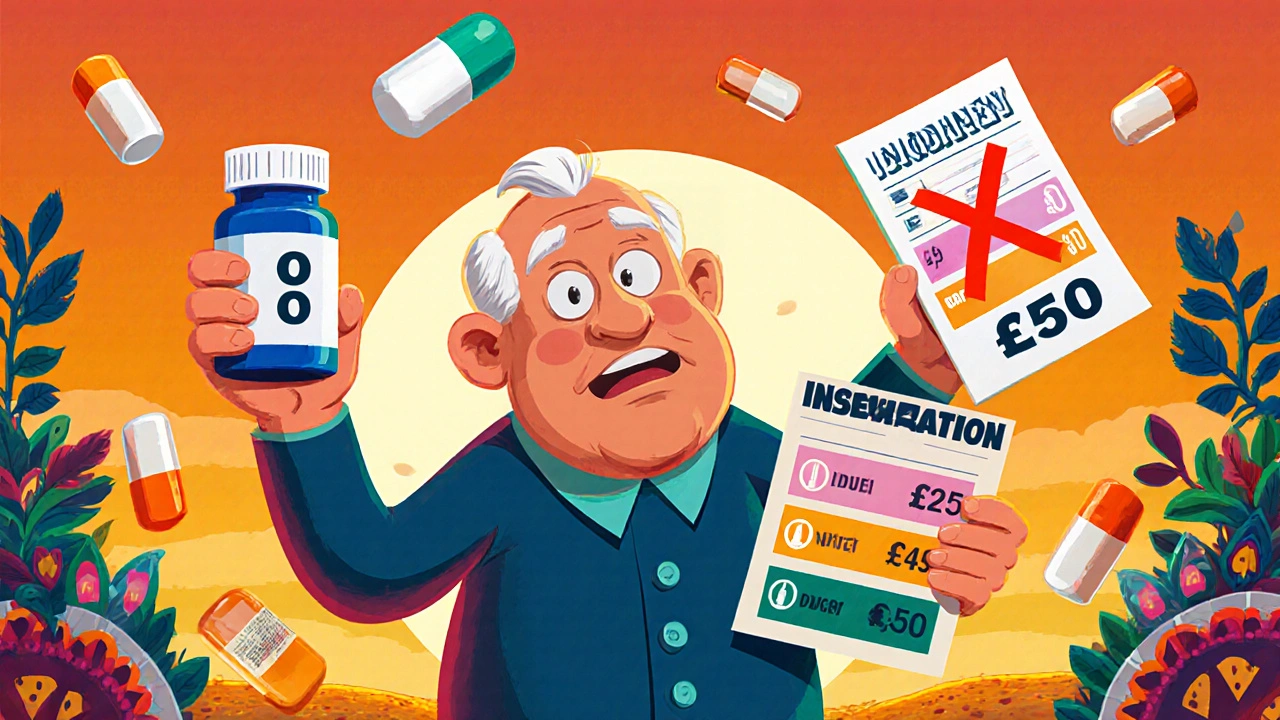
Insurance and Medication Changes: How to Navigate Formularies Safely in 2025
Learn how to navigate insurance formulary changes in 2025 to avoid costly medication disruptions. Understand tiers, exceptions, and how to protect your prescriptions before your next refill.
read more