
Respiratory Depression: Causes, Risks, and What You Need to Know
When your breathing slows down too much, it’s called respiratory depression, a condition where breathing becomes too shallow or too slow to supply enough oxygen to the body. Also known as hypoventilation, it’s not just feeling tired—it’s a medical emergency that can lead to brain damage or death if untreated. This isn’t something that happens randomly. It’s most often triggered by drugs that calm the central nervous system—like opioids, powerful painkillers such as oxycodone, morphine, and fentanyl, or sedatives, including benzodiazepines like Xanax or Valium, and sleep aids like Ambien. Even when taken as prescribed, these drugs can suppress the brain’s natural drive to breathe, especially when mixed or taken in higher doses.
People on long-term pain management, those recovering from surgery, or individuals using multiple medications at once are at higher risk. Mixing opioids with alcohol or anti-anxiety meds doesn’t just increase drowsiness—it can shut down breathing completely. That’s why doctors warn against combining these, and why some pharmacies now include safety alerts on labels. Even "non-addictive" meds like certain muscle relaxants or antihistamines can add to the risk if you’re already sensitive. It’s not just about street drugs—many cases happen because someone took an extra pill, didn’t realize how strong their prescription was, or didn’t know their meds interacted.
Signs aren’t always obvious. You might feel unusually sleepy, confused, or have bluish lips. A loved one might notice slow, shallow breaths—or long pauses between breaths. If you’re caring for someone on strong pain meds, watch for these signs. Don’t wait for them to ask for help. Early detection saves lives. The good news? Many cases are preventable with proper monitoring, dose adjustments, and awareness. Tools like lab monitoring calendars and medication safety guides can help you stay ahead of problems before they escalate.
Below, you’ll find real-world advice from people who’ve dealt with medication risks—from how to safely use injectables to understanding why some drugs are safer than others. Whether you’re managing chronic pain, helping a family member, or just trying to avoid dangerous combos, these posts give you the facts you need to make smarter choices.
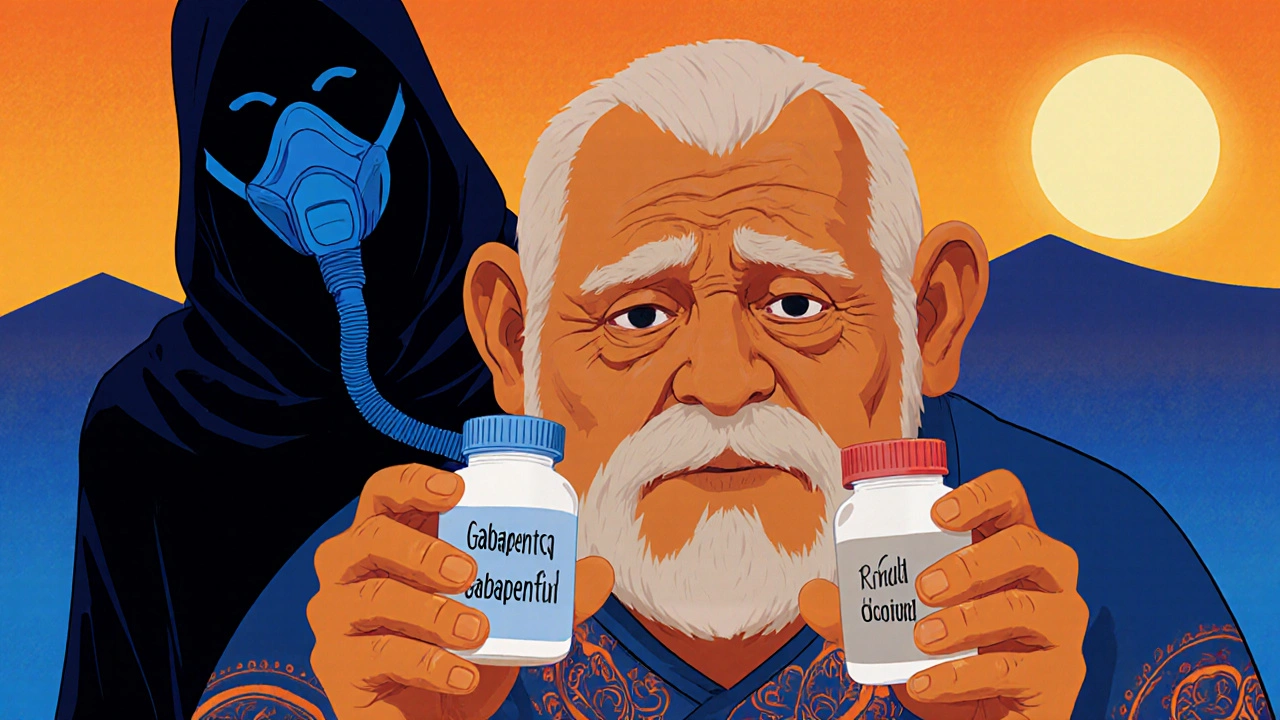
Gabapentinoids and Opioids Together: What You Need to Know About Respiratory Risks
Combining gabapentinoids like gabapentin or pregabalin with opioids can increase the risk of dangerous respiratory depression, especially in older adults or those with lung conditions. Learn who's at risk and what to do.
read more