
Statin Medications: What They Are, How They Work, and What You Need to Know
When your doctor talks about lowering your cholesterol, they’re likely referring to statin medications, a class of drugs that block a key enzyme in the liver to reduce LDL (bad) cholesterol. Also known as HMG-CoA reductase inhibitors, these pills are among the most prescribed drugs in the world because they’ve been proven to cut heart attacks and strokes by up to 30% in high-risk patients. They don’t just lower numbers — they stabilize plaque in your arteries, making it less likely to rupture and cause a clot.
Statin medications don’t work alone. They often show up in cardiovascular combination generics, single pills that combine a statin with another heart medication like a blood pressure drug. This is why you’ll see pills like amlodipine/atorvastatin or rosuvastatin/ezetimibe on prescriptions — they’re designed to simplify your routine and improve adherence. Studies show people who take one pill instead of three are far more likely to stick with their treatment. These combo pills are especially common for patients with high blood pressure and high cholesterol together, and they can cut monthly costs by up to 80% compared to buying each drug separately. You might also notice generic heart meds, the lower-cost versions of brand-name statins. They’re not weaker — they’re chemically identical. The FDA requires them to work the same way, in the same amount of time, with the same safety profile. Many patients don’t realize they’re already on generics, and that’s okay — because they’re just as effective. Meanwhile, blood pressure meds, like ACE inhibitors or calcium channel blockers, often overlap with statin use since both target heart disease risk. But while statins focus on cholesterol, blood pressure meds handle force against artery walls. Together, they’re a powerful team.
Statin medications aren’t perfect. Muscle pain, liver enzyme changes, and occasional diabetes risk are real side effects — but they’re rare and usually manageable. Most people tolerate them fine, especially if they start low and go slow. What’s more important is knowing why you’re on them. Are you at high risk for heart disease? Do you have diabetes or a history of stroke? Your doctor doesn’t just look at your cholesterol number — they look at your whole picture. That’s why switching statins or adding another drug isn’t about chasing lower numbers. It’s about reducing your actual risk of a life-threatening event.
What you’ll find below is a collection of real, practical posts that connect directly to statin use — from how combination pills save money and improve adherence, to how insurance formularies can change your access, to why generic versions are just as safe as brand names. You’ll also see how statins fit into broader heart health, including interactions with other meds and what to watch for when your treatment plan shifts. This isn’t theory. It’s what people actually experience when managing their heart health with these drugs — and how to make sure you’re getting the most out of them.
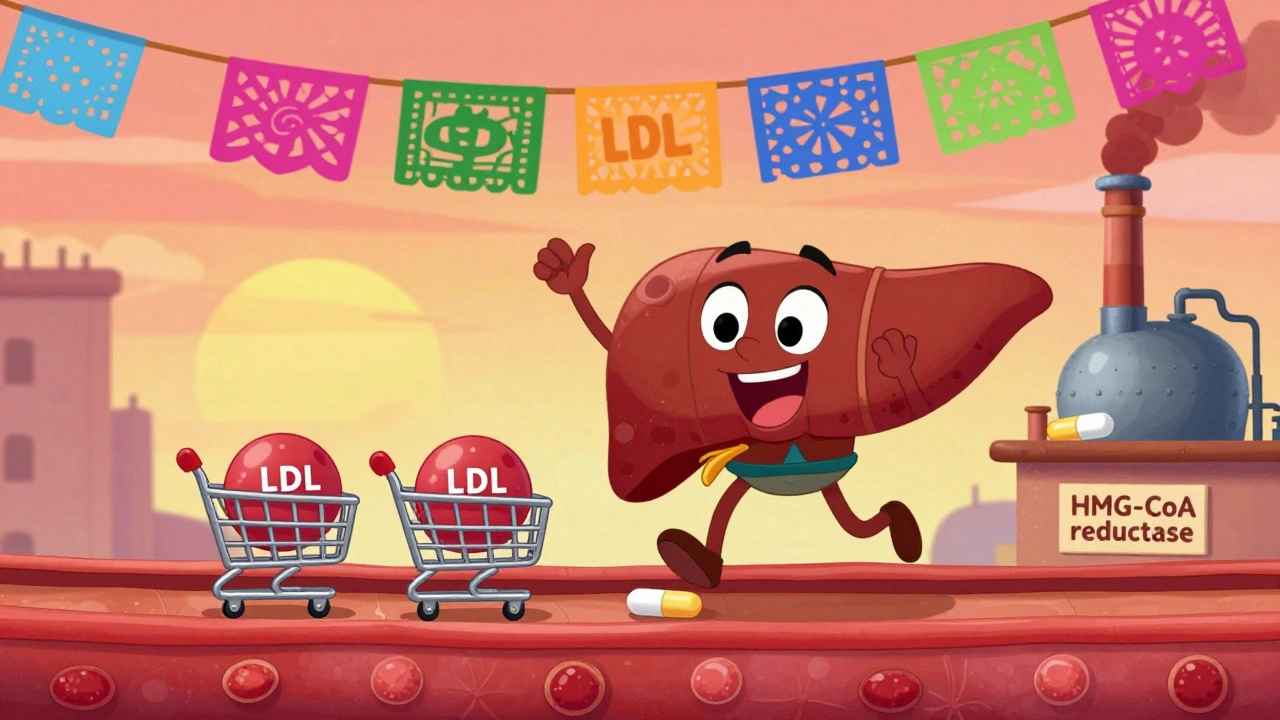
Statin Medications: What They Do for Cholesterol and Why Muscle Pain Happens
Statins lower LDL cholesterol by up to 60% and cut heart attack risk significantly, but muscle pain affects up to 1 in 10 users. Learn how to manage side effects without losing protection.
read more