
Statin Muscle Pain: What It Is, Why It Happens, and What to Do
When you take a statin, a class of drugs used to lower LDL cholesterol and reduce heart attack risk. Also known as HMG-CoA reductase inhibitors, they’re among the most prescribed medications in the U.S.—but up to 1 in 10 people report muscle pain while taking them. This isn’t just soreness after a workout. It’s deep, persistent discomfort in the shoulders, thighs, or calves that doesn’t go away with rest. Some people feel weak, others feel like their muscles are on fire. And many stop taking their statin because of it.
Not all muscle pain from statins is the same. Some is harmless and temporary—your body adjusting. But rhabdomyolysis, a rare but dangerous breakdown of muscle tissue that can damage kidneys, is real. It’s rare—less than 1 in 10,000 users—but it’s why doctors check your CK levels before and after starting statins. Then there’s statin intolerance, when side effects make it impossible to stay on the drug, even at low doses. This affects about 5-10% of users, and it’s not just in your head. Studies show people who stop statins due to muscle pain often have higher heart attack rates later—not because the drug didn’t work, but because they stopped taking it.
What makes one person tolerate a statin and another feel terrible? Genetics play a role. Age matters—people over 65 are more at risk. So do other meds you’re on. If you’re also taking a blood thinner, certain antibiotics, or even grapefruit juice, your body may not clear the statin properly, raising your risk. And not all statins are equal. Simvastatin and atorvastatin are more likely to cause muscle pain than pravastatin or fluvastatin. Dose matters too. Lower doses often help, but many people never try them because they assume the problem is the drug itself.
Here’s the truth: muscle pain from statins doesn’t always mean you need to quit. Many people can switch to a different statin, lower the dose, or take it every other day. Some find relief with coenzyme Q10 supplements—though evidence is mixed, it’s low-risk and worth a try. Others benefit from timing their dose—taking it at night, when cholesterol production peaks, or after exercise, when muscles are already warmed up. And if nothing works? There are non-statin options. Ezetimibe, PCSK9 inhibitors, and even lifestyle changes like daily walking can drop LDL just as effectively for some.
The posts below don’t just list symptoms or scare you off statins. They give you real, practical ways to figure out if your muscle pain is linked to your medication—and what to do next. You’ll find advice on lab tests that matter, how to talk to your doctor without sounding like you’re demanding a switch, and which alternatives actually work based on patient data and clinical guidelines. No fluff. No myths. Just what helps—and what doesn’t—when your muscles hurt and your heart still needs protection.
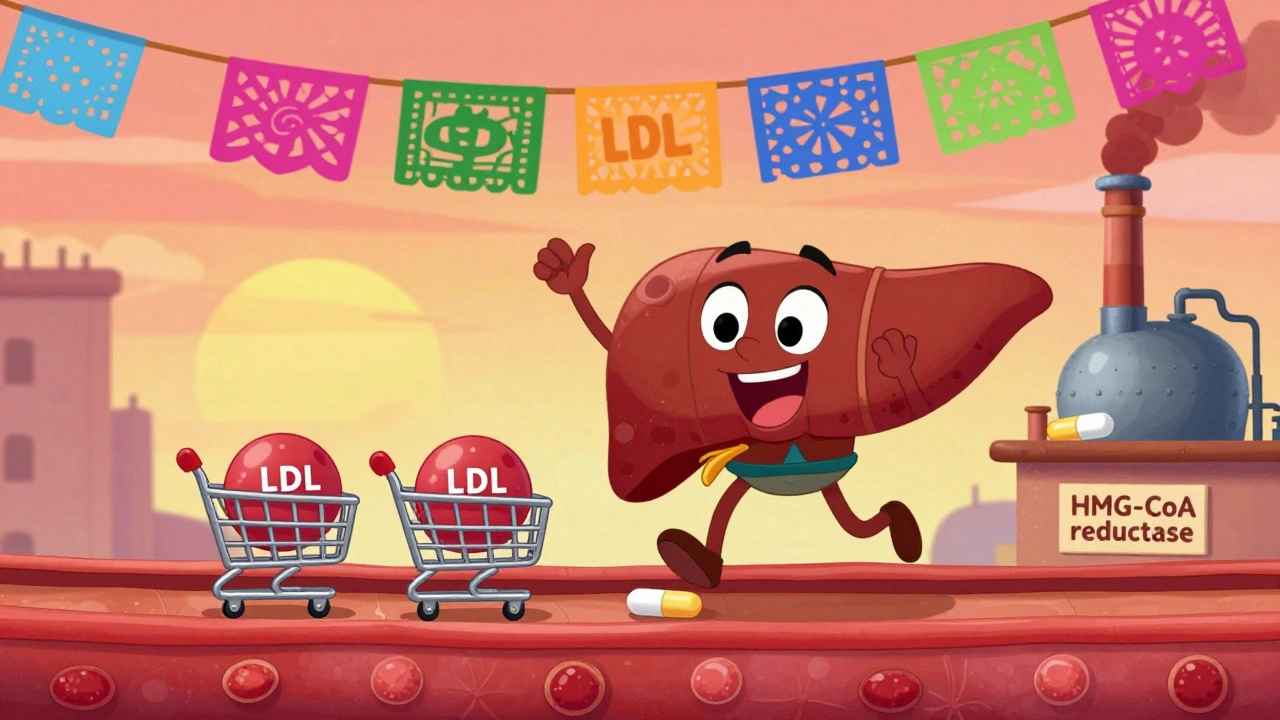
Statin Medications: What They Do for Cholesterol and Why Muscle Pain Happens
Statins lower LDL cholesterol by up to 60% and cut heart attack risk significantly, but muscle pain affects up to 1 in 10 users. Learn how to manage side effects without losing protection.
read more