

You're standing in the pharmacy aisle, staring at a wall of colorful boxes, trying to figure out which syrup will actually stop your child's cough or clear your own stuffed nose. It's a common scene, but here's the unsettling truth: many of the OTC medications we've relied on for decades might not actually work, and for some age groups, they can be downright dangerous. Whether you're dealing with a toddler's congestion or a stubborn adult cold, the gap between what the marketing promises and what the science proves is surprisingly wide.
The Bottom Line on OTC Cold Meds
Before you grab a bottle, keep these key points in mind:
- Oral phenylephrine is largely ineffective: The FDA recently concluded that this common decongestant doesn't actually clear nasal congestion at standard doses.
- Kids under 6 are at high risk: Pediatricians generally advise against OTC cough and cold meds for young children due to a lack of efficacy and potential for serious side effects.
- Honey is a powerhouse: For children over one year old, honey often works as well as or better than pharmaceutical cough suppressants.
- Combination products can be risky: Taking multiple medicines with overlapping ingredients is a leading cause of accidental overdose.
Understanding the Players: What's Actually in Your Medicine?
To use these products safely, you need to know what's inside them. Most "multi-symptom" formulas are just cocktails of different Active Ingredients designed to target specific symptoms. However, not all ingredients are created equal.
First, we have Phenylephrine is a common oral decongestant found in many store-bought cold medicines. For years, it's been the go-to for stuffy noses, but the scientific consensus has shifted. A 2007 meta-analysis showed that the standard 10mg dose provided no significant difference in nasal airway resistance compared to a placebo. Essentially, you're paying for a chemical that does very little for your sinuses.
Then there's Dextromethorphan is an antitussive used to suppress coughing by acting on the cough center in the brain. While it's widely used, clinical evidence for its effectiveness is often conflicting. Similarly, Guaifenesin is an expectorant designed to thin mucus and make coughs more productive, but experts note that the evidence supporting its use is poor.
If you truly need a decongestant, Pseudoephedrine is a more potent decongestant that is typically kept behind the pharmacy counter. Because it can be used to manufacture illegal substances, it has stricter purchase limits, but users generally report much higher rates of actual congestion relief compared to phenylephrine.
| Ingredient | Primary Goal | Efficacy Level | Key Risk/Note |
|---|---|---|---|
| Phenylephrine (Oral) | Decongestion | Low/Ineffective | FDA questioning its approval |
| Pseudoephedrine | Decongestion | High | Behind-the-counter access |
| Dextromethorphan | Cough Suppression | Moderate/Mixed | Potential for misuse in teens |
| Guaifenesin | Mucus Thinning | Low/Mixed | Hydration is often more effective |
The Danger Zone: Pediatric Safety
When it comes to kids, the risks often outweigh the rewards. The American Academy of Pediatrics is the leading professional organization for pediatricians in the US, which provides evidence-based guidelines for child health and strongly cautions against OTC cold medicines for children under 6. Why? Because these drugs don't actually make children recover faster, but they can cause frightening side effects.
Between 2000 and 2007, there were 20 reported child deaths in the U.S. linked to these preparations, with the majority occurring in children under two. The risk of accidental overdose is high, especially when parents try to "mix and match" different syrups to treat a fever and a cough simultaneously. Many of these products contain the same active ingredients, leading to a double dose without the parent even realizing it.
If your little one is struggling, skip the pharmacy shelf and head to the pantry. For children over 12 months, Honey is a natural sweetener that has been clinically shown to reduce cough frequency and improve sleep quality in children. A dose of about 2.5mL (half a teaspoon) before bed has proven more effective in some studies than standard OTC suppressants.

Adult Usage: Avoiding the Interaction Trap
Even for adults, OTC meds aren't "risk-free." The biggest danger isn't usually the medicine itself, but how it interacts with other things you're taking. For instance, decongestants can cause a spike in blood pressure. If you're already managing hypertension, a "simple" cold pill could push your numbers into a dangerous zone.
There are also severe interactions with certain psychiatric medications. Combining decongestants with Monoamine Oxidase Inhibitors (MAOIs) or tricyclic antidepressants can lead to heart rhythm problems and dangerously high blood pressure. It's a classic example of why you should always tell your pharmacist about your current prescriptions before grabbing a "quick fix" off the shelf.
If you find that oral pills aren't working for your congestion, consider a shift in delivery. Intranasal sprays-those that go directly into the nose-tend to be far more effective than oral pills because they act locally on the nasal membranes with minimal systemic impact on the rest of your body.
Practical Strategies for Symptom Relief
If the science says many of these meds don't work, what should you actually do? The goal is symptomatic relief, not a "cure" (since colds are viral and just have to run their course). Here are the evidence-backed moves:
- Hydrate aggressively: Water and warm liquids thin mucus better than any expectorant pill can.
- Use a humidifier: Moist air keeps nasal passages from drying out and helps loosen congestion.
- Saline drops/sprays: These are safe for all ages and effectively clear out mucus without the risk of systemic side effects.
- Bulb suctioning: For infants, a simple saline drop followed by a nasal aspirator is the gold standard for breathing relief.
- Rest: Your immune system does its best work when you're asleep, not when you're caffeinated and trying to "power through" with a decongestant.
How to Read the Label Like a Pro
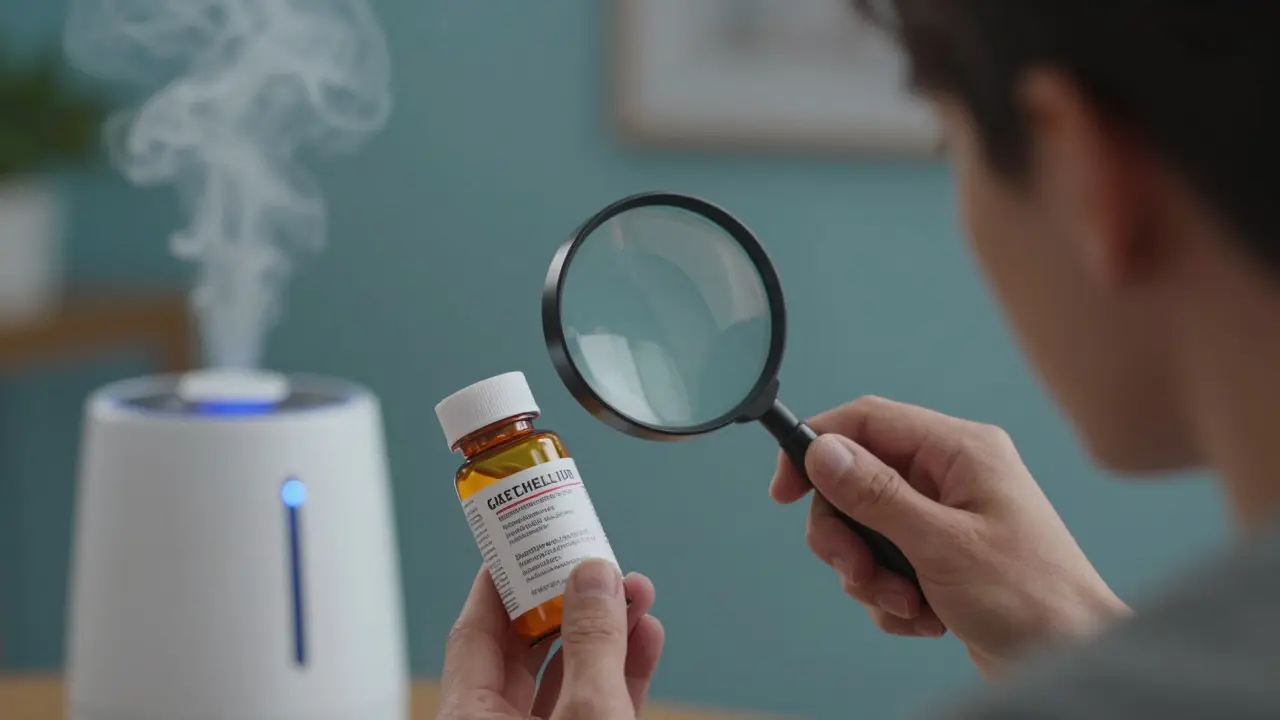
If you do decide to use an OTC product, you have to be a detective with the Drug Facts label. Don't just look at the brand name; look at the active ingredients. If you're taking a multi-symptom relief liquid and a separate pain reliever, check if both contain acetaminophen. Taking too much of this single ingredient can lead to severe liver damage.
Also, pay attention to the dosage frequency. If a product says "every 4 hours," don't be tempted to take more just because your nose is still stuffed. As we've seen with phenylephrine, taking more doesn't necessarily make it more effective, but it does increase the chance of side effects like jitteriness or elevated heart rate.
Is oral phenylephrine completely useless?
According to recent FDA advisory committees, oral phenylephrine is not effective as a nasal decongestant at the recommended doses. While it isn't necessarily "dangerous" for most healthy adults, it simply doesn't provide the clinical benefit it claims. If you need a decongestant, pseudoephedrine or nasal sprays are more effective options.
Why can't I give cough medicine to my 3-year-old?
Medical experts, including those at the Mayo Clinic and the American Academy of Pediatrics, have found no evidence that these medicines help children under 6 get well faster. Furthermore, children's bodies process these chemicals differently, which increases the risk of serious side effects and accidental overdose.
Can honey really replace cough syrup?
Yes, for children over 12 months old. Clinical studies suggest that a small amount of honey before bedtime can be as effective as dextromethorphan in reducing cough frequency and helping a child sleep better. Never give honey to an infant under one year due to the risk of botulism.
What is the difference between an expectorant and a suppressant?
A suppressant (like dextromethorphan) tries to stop the cough reflex entirely. An expectorant (like guaifenesin) tries to make the cough more "productive" by thinning the mucus in your lungs so you can cough it out more easily. Using the wrong one for your specific type of cough (dry vs. wet) can actually slow down your recovery.
Are nasal sprays safer than oral pills?
Generally, yes, because they provide localized relief. They don't enter the bloodstream in significant amounts, meaning they avoid many of the systemic side effects like increased blood pressure. However, some medicated nasal sprays can cause "rebound congestion" if used for more than three days in a row.
Next Steps and Troubleshooting
If you've been using a specific OTC product and feel it's not working, don't just increase the dose. Instead, check the active ingredients. If it's phenylephrine, you might be experiencing the "placebo effect" or simply waiting for the virus to leave your system. Switch to a saline nasal spray or consult your pharmacist about pseudoephedrine.
For parents whose children have a persistent cough that doesn't respond to honey and humidifiers, it's time to see a pediatrician. Watch for "red flags" like a high fever that won't break, difficulty breathing, or a wheezing sound. In these cases, OTC products are not the answer; a professional diagnosis is required to rule out pneumonia or asthma.
Comments (1)
Nikki Grote
The pharmacokinetic profile of oral phenylephrine is honestly a joke when you look at the first-pass metabolism in the gut. Most of the active compound is degraded before it even hits systemic circulation, which explains the dismal efficacy in clinical trials. It's basically a waste of money compared to the targeted delivery of intranasal oxymetazoline or the potency of pseudoephedrine. 🧪