
ACE Inhibitors: How They Work, Who Uses Them, and What You Need to Know
When your doctor prescribes an ACE inhibitor, a type of medication that blocks the angiotensin-converting enzyme to lower blood pressure and reduce strain on the heart. Also known as angiotensin-converting enzyme inhibitors, they’re one of the most prescribed drug classes for high blood pressure and heart failure. These drugs don’t just bring down numbers on a reading — they help protect your kidneys, slow heart damage, and reduce the chance of stroke or heart attack. If you’ve been told to take lisinopril, enalapril, or ramipril, you’re on an ACE inhibitor — and you’re not alone. Millions use them every day, often for years.
ACE inhibitors work by stopping your body from making a hormone called angiotensin II, which tightens blood vessels and raises pressure. By blocking it, your vessels relax, blood flows easier, and your heart doesn’t have to work as hard. This is why they’re often used for people with diabetes, kidney disease, or after a heart attack — it’s not just about pressure, it’s about long-term organ protection. But they’re not magic. They work best when paired with lifestyle changes: less salt, regular movement, and avoiding alcohol. And they’re not for everyone. If you’ve had a bad reaction to one before, or if you’re pregnant, your doctor will pick something else.
What you won’t always hear is how often people stop taking them because of a dry cough — a side effect so common it’s almost expected. Or how some patients feel dizzy at first, especially when standing up fast. These aren’t reasons to quit — they’re signals to talk to your doctor. Maybe your dose needs adjusting, or maybe switching to an ARB (another blood pressure drug) makes more sense. The key is staying on them. Missing doses or stopping cold can spike your pressure back up, sometimes dangerously.
What’s clear from the posts below is that people using ACE inhibitors aren’t just taking pills — they’re managing conditions. Some are balancing them with other meds like diuretics or beta blockers. Others are tracking lab results to watch kidney function. A few are dealing with interactions — like how potassium supplements can become risky when combined with these drugs. You’ll find real stories here: someone who switched from a brand-name version to a generic and saved $200 a month, another who learned how to time their dose to avoid nighttime trips to the bathroom, and someone who discovered their cough wasn’t from the ACE inhibitor at all — it was allergies.
This collection isn’t just about the drug itself. It’s about how it fits into your life — your diet, your other meds, your routine, your fears. Whether you’re just starting out or have been on it for years, the posts ahead give you practical, no-fluff advice on what works, what doesn’t, and what you need to watch for.
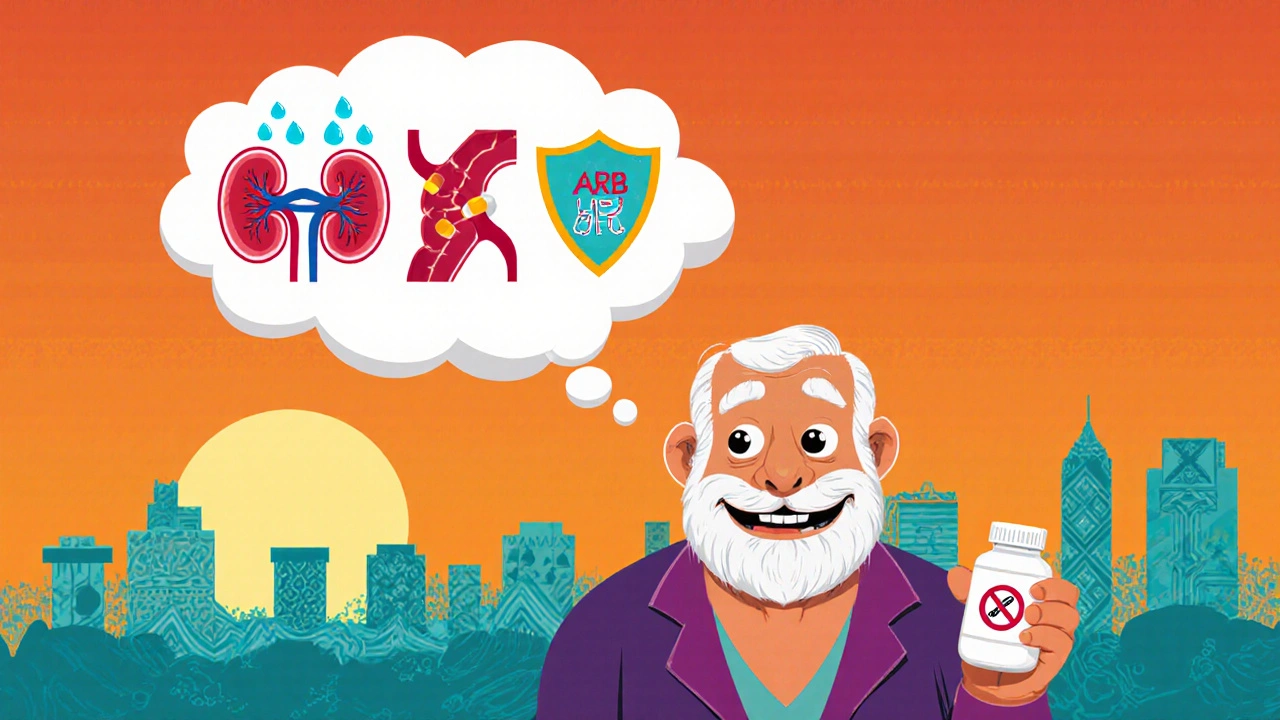
Blood Pressure Medications: Types, Side Effects, and Safety
Learn about the main types of blood pressure medications, their common side effects, safety risks, and how to stay on track with treatment. Understand why some pills work better for certain people and how to avoid dangerous interactions.
read more