
Acute Kidney Injury: Causes, Risks, and Medications That Can Trigger It
When your kidneys suddenly stop working properly, it’s called acute kidney injury, a rapid loss of kidney function that can develop over hours or days. Also known as acute renal failure, it’s not a disease by itself—it’s a warning sign something else is wrong, often tied to medications, dehydration, or underlying health issues. Unlike slow, long-term kidney damage, acute kidney injury can reverse if caught early. But if ignored, it can lead to hospitalization, dialysis, or even permanent damage.
This isn’t rare. About 1 in 5 hospitalized patients shows signs of it. And many cases are preventable. The biggest culprits? Common drugs like NSAIDs, pain relievers such as ibuprofen and naproxen that reduce blood flow to the kidneys, antibiotics, especially those like vancomycin or aminoglycosides that can be toxic to kidney tissue, and even blood pressure meds, like ACE inhibitors or diuretics, which can lower kidney perfusion in vulnerable people. These aren’t dangerous for everyone—but if you’re older, dehydrated, diabetic, or already have reduced kidney function, they can push your kidneys over the edge.
It’s not just about what you take—it’s about how you take it. Skipping fluids while on diuretics, mixing NSAIDs with heart meds, or taking multiple kidney-stressing drugs at once increases risk. People with heart failure, liver disease, or those recovering from surgery are especially vulnerable. Even a single high dose of acetaminophen in someone with poor kidney function can contribute. The signs are subtle: less urine, swelling in the legs, confusion, nausea. By the time you feel really sick, the damage may already be done.
That’s why monitoring matters. If you’re on long-term meds for blood pressure, arthritis, or autoimmune conditions, regular blood tests aren’t optional—they’re a safety net. Labs like serum creatinine and eGFR tell you how well your kidneys are filtering waste. A small spike in creatinine can mean trouble before you feel any symptoms.
What you’ll find here are real, practical posts that connect the dots between everyday medications and kidney health. You’ll learn how common drugs like statins, mycophenolate, or even antihistamines can affect kidney function. You’ll see how insurance formulary changes might swap out safer meds for riskier ones. You’ll find out why some patients on combination heart pills end up with kidney issues, and how hydration, timing, and dose adjustments can make all the difference. This isn’t theory. These are the stories and data that help people avoid hospital visits—and keep their kidneys working.
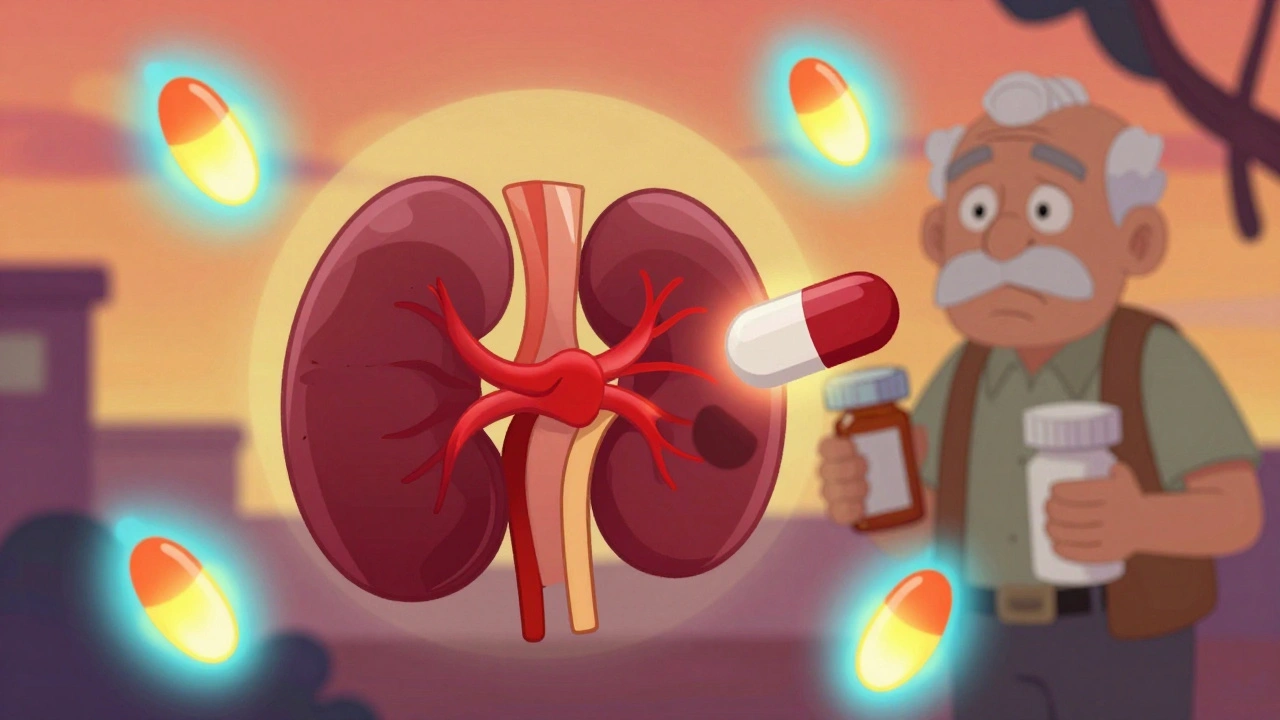
NSAIDs and Kidney Disease: How to Prevent Acute Kidney Injury
NSAIDs like ibuprofen and naproxen can cause acute kidney injury, especially in people with kidney disease or other risk factors. Learn how to recognize the danger, avoid deadly drug combinations, and choose safer pain relief options.
read more