
Biologic Injection Technique: How to Administer Biologics Safely and Effectively
When you're prescribed a biologic injection technique, a method of delivering complex protein-based drugs through the skin or vein to treat autoimmune or chronic conditions. Also known as biologic administration, it's not just about sticking a needle in—you need to know where, how deep, and when to do it right to avoid infection, pain, or wasted doses. These drugs, like Humira, Enbrel, or Remicade, are made from living cells, not chemicals. That means they’re powerful but also fragile. A bad injection can ruin the dose, irritate your skin, or even make you sick.
Most biologics are given as subcutaneous injections, injections delivered just under the skin, usually in the belly, thigh, or upper arm. Also known as SC injections, they’re designed for self-administration at home. But if you’ve ever wobbled the needle, pinched the skin wrong, or missed the angle, you know how easy it is to mess up. Then there are intravenous biologic, infusions delivered directly into the bloodstream through a vein, often done in a clinic. Also known as IV biologics, they require professional setup but avoid some of the discomfort of needles at home. Choosing between them isn’t just about preference—it’s about your condition, lifestyle, and how your body reacts.
Good technique matters more than you think. Rotating injection sites prevents lumps under the skin. Letting the medicine warm up to room temperature cuts down on stinging. Cleaning the area with alcohol isn’t optional—it stops infections that can derail your treatment. And if you’re giving yourself shots, you need to know how to handle the syringe or auto-injector without shaking it, which can damage the protein structure. Even small mistakes, like injecting too fast or not holding the device in place long enough, can reduce how well the drug works.
People on biologics often worry about pain, leaks, or bruising. But most of those problems come from skipping the basics. A 2023 patient survey found that those who followed a simple checklist—clean skin, proper angle, slow push, 10-second hold—reported 60% fewer injection-related issues. It’s not magic. It’s muscle memory. And if you’re helping someone else, like a parent or partner, you need to learn the same steps. No one should feel scared to give their own medicine.
Below, you’ll find real-world advice from patients and clinicians who’ve been through it. You’ll learn how to pick the best injection site for your body type, what to do if you see redness or swelling, how to store these sensitive drugs properly, and why some people switch from shots to infusions. These aren’t theory pages—they’re guides written by people who’ve had to do this every week, month, or year. Whether you’re new to biologics or have been on them for years, there’s something here that will make your next injection easier, safer, and less stressful.
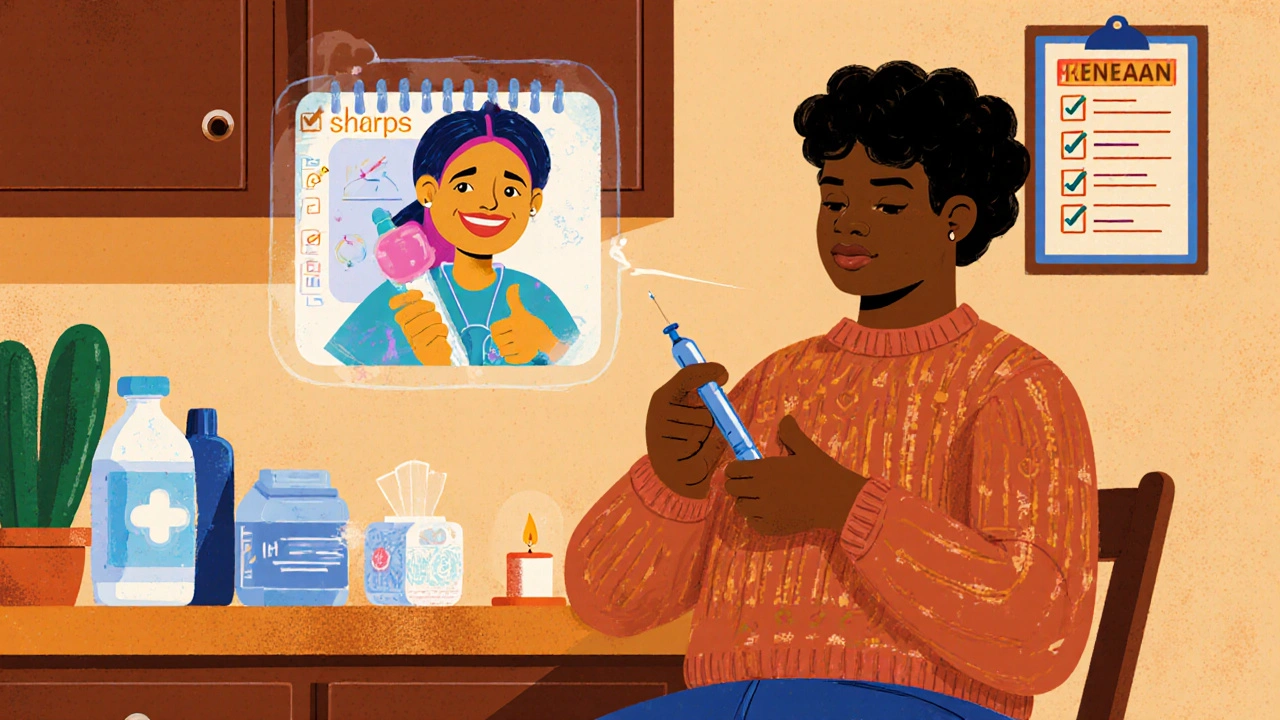
Biologic Therapies: How to Inject Safely and Avoid Infections
Learn how to safely inject biologic therapies at home, avoid common mistakes, and reduce infection risks with proper technique, training, and hygiene practices.
read more