
Cholesterol Lowering: What Works, What Costs Less, and What Your Doctor Wants You to Know
When it comes to cholesterol lowering, the process of reducing harmful LDL cholesterol to protect your heart. Also known as lipid management, it’s not just about taking a pill—it’s about choosing the right one, staying on it, and avoiding costly mistakes. Millions of people are told to lower their cholesterol, but few are shown how to do it without breaking the bank or getting stuck with side effects that make them quit.
Statins, a class of drugs that block cholesterol production in the liver. Also known as HMG-CoA reductase inhibitors, they’re the first-line treatment for most people because they cut heart attack risk by up to 30%. But not all statins are the same. Some cost less than $5 a month as generics, while others are still priced like brand-name drugs—even though they do the same thing. And here’s the kicker: combining a statin with a blood pressure pill in a single cardiovascular combination generic, a single pill that includes two or more heart medications to improve adherence and cut costs. Also known as polypill, it’s been shown to boost adherence by nearly 50% in real-world use. That’s why doctors are pushing these combos harder than ever—they’re not just convenient, they save lives.
But cholesterol lowering isn’t just about pills. It’s about what you do when your insurance changes its formulary and suddenly your favorite generic isn’t covered anymore. It’s about knowing when a statin is too strong and when a lower dose with a different mechanism might work better. It’s about understanding why some people get muscle pain and others don’t, and what to do when your doctor says, "Try a different one." The posts below cover exactly that: how to pick the right statin, how to use combination pills safely, how to handle side effects, and how to keep your meds affordable—even when your plan tries to switch you out.
You’ll find real-world advice on what works, what doesn’t, and what your pharmacist won’t tell you unless you ask. Whether you’re just starting out or you’ve been on meds for years, this collection gives you the tools to take control—not just of your cholesterol, but of your entire heart health plan.
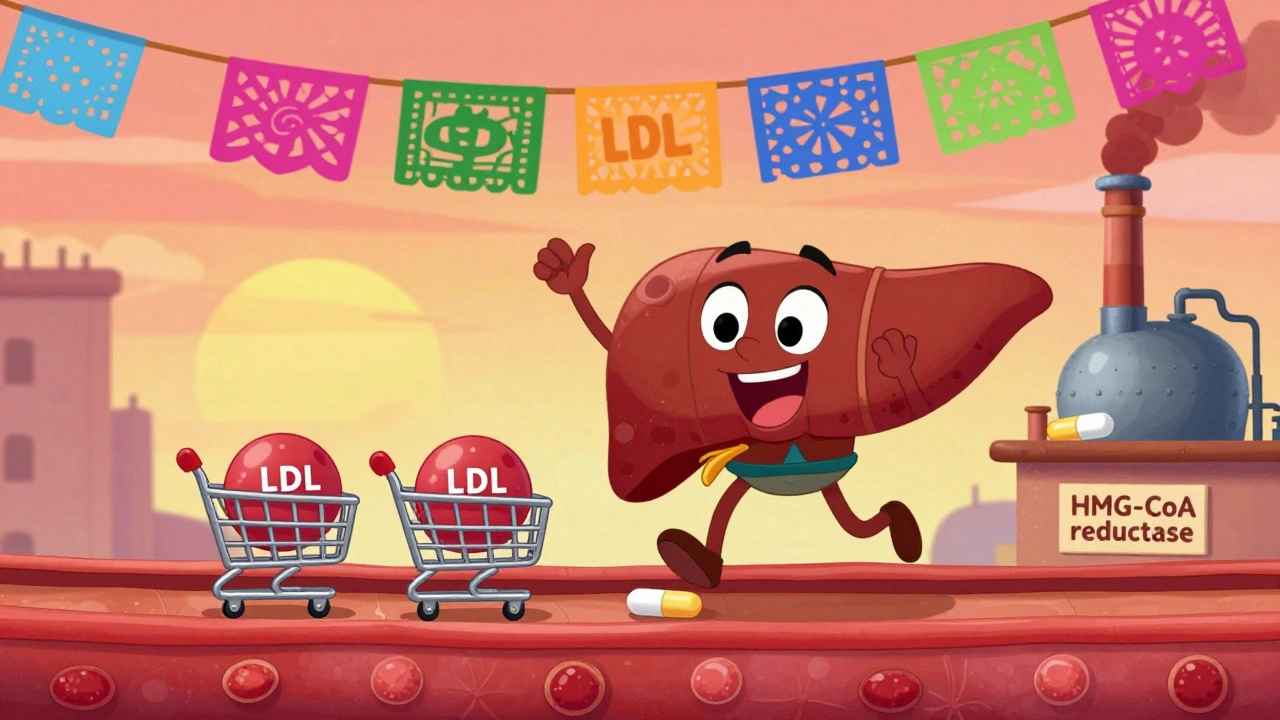
Statin Medications: What They Do for Cholesterol and Why Muscle Pain Happens
Statins lower LDL cholesterol by up to 60% and cut heart attack risk significantly, but muscle pain affects up to 1 in 10 users. Learn how to manage side effects without losing protection.
read more