
FDA Regulatory Authority: How It Controls Drug Safety and Approval
When you pick up a pill at the pharmacy, you’re relying on the FDA regulatory authority, the U.S. government agency responsible for ensuring drugs are safe, effective, and properly labeled before they reach patients. Also known as the U.S. Food and Drug Administration, it’s the gatekeeper between drugmakers and millions of people who depend on medications every day. Without it, there’d be no way to know if a drug actually works—or if it could harm you.
The FDA regulatory authority doesn’t just approve new drugs. It also monitors them after they’re on the market. That’s why you see warnings about side effects, why some drugs get pulled, and why companies can’t just slap a label on a bottle and sell it. It enforces strict rules for manufacturing, testing, and labeling. For example, the ANDA process, the legal pathway for generic drugs to enter the U.S. market, requires proof that a generic version is chemically identical and works the same as the brand-name drug. And when a company cuts corners? The FDA does unannounced inspections, surprise visits to drug factories both in the U.S. and overseas to catch violations before patients are at risk.
It’s not just about new drugs. The FDA also steps in when supplies run low. During shortages, it can extend expiration dates on critical medications—like insulin or antibiotics—so patients don’t go without. It tracks drug interactions, warns about dangerous combinations (like gabapentin with opioids), and updates guidelines as new data comes in. You’ll find posts here that explain how the FDA’s rules affect everything from your blood pressure pills to your daily pain reliever. Whether it’s why generic drugs cost less, how insulin is regulated, or why your doctor can’t prescribe a certain drug during pregnancy, the FDA’s decisions shape it all.
The agency doesn’t make decisions in a vacuum. It reviews data from clinical trials, listens to patient reports, and consults experts. That’s why you’ll see posts about TZDs causing swelling, NSAIDs hurting kidneys, or statins triggering muscle pain—because the FDA tracks these patterns and updates labels accordingly. If a drug’s risks outweigh its benefits, it can be restricted or pulled. If a new generic version proves safe, it gets approved faster. This isn’t bureaucracy. It’s real-time protection.
What you’ll find below isn’t just a list of articles. It’s a map of how the FDA regulatory authority touches your life—through the drugs you take, the inspections that keep factories honest, the approvals that make generics affordable, and the warnings that prevent harm. You’ll learn how to navigate formularies, understand why your insurance changes your meds, and spot when a drug’s safety profile shifts. These aren’t abstract rules. They’re the invisible system keeping you safe—one pill, one inspection, one approval at a time.
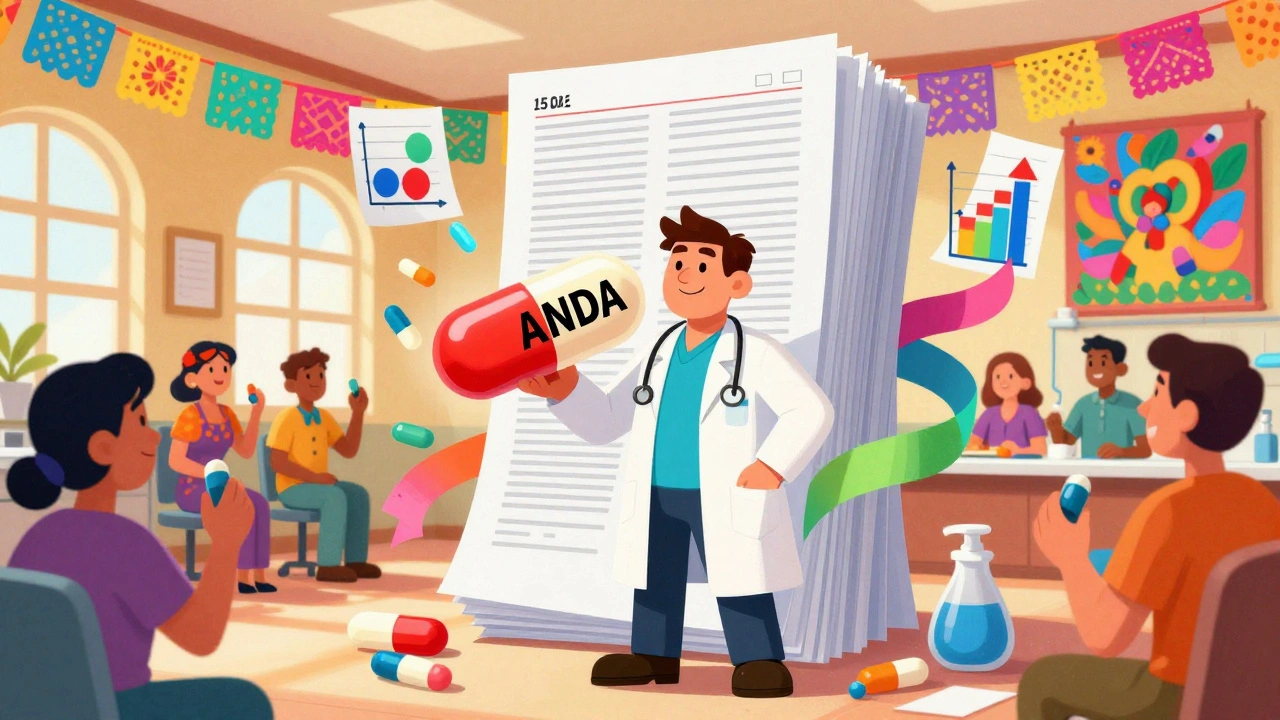
FDA Regulatory Authority: How the Agency Approves Generic Drugs
The FDA ensures generic drugs are as safe and effective as brand-name drugs through the ANDA process. Learn how bioequivalence, manufacturing standards, and regulatory oversight make generics affordable without compromising quality.
read more