
FDA surprise visits: What happens when inspectors show up unannounced
When the FDA surprise visits, unannounced inspections by the U.S. Food and Drug Administration to verify compliance with pharmaceutical manufacturing standards. Also known as FDA inspections, these visits are a key part of ensuring that the medications you take are safe, pure, and made under strict controls. Unlike scheduled audits, these come without warning—often early in the morning, sometimes on weekends. The goal? To catch real-world conditions, not prepared-for scenarios. If a factory, warehouse, or lab is cutting corners, the FDA wants to see it in action.
FDA surprise visits target facilities that make prescription drugs, generics, biologics, and even some over-the-counter products. They focus on pharmaceutical compliance, the set of rules drug manufacturers must follow to meet federal quality and safety standards. This includes how ingredients are sourced, how equipment is cleaned, how records are kept, and whether staff are properly trained. A single mistake—like failing to document a batch deviation or using contaminated raw materials—can trigger a warning letter, a production halt, or even a product recall. The drug manufacturing standards, the strict guidelines set by the FDA that govern how medications are produced to ensure consistency and safety aren’t suggestions. They’re the law.
Companies that handle high-risk drugs—like injectables, cancer meds, or antibiotics—are more likely to get visited. So are sites with past violations or those supplying drugs during shortages. The FDA doesn’t need a tip to act. They use data: complaints, lab results, foreign inspection reports, even social media chatter. If your pills are being sold online without a prescription and the FDA finds out, they’ll trace it back to the source. And they will show up.
What do inspectors actually do? They walk through the facility, watch workers in real time, pull files from computers, and check temperature logs, cleaning schedules, and training records. They might take samples on the spot. They talk to employees—often alone—to see if stories match. One common red flag? Missing or altered data. If a logbook has blank pages or digital records show edits without reason, that’s a major issue. Another? Poor sanitation. Mold in a cleanroom? That’s not a minor oversight. That’s a shutdown waiting to happen.
But it’s not all about punishment. Many companies use these visits as a wake-up call. After an inspection, some get help from FDA consultants to fix problems before they turn into legal trouble. The best-run facilities don’t fear surprise visits—they prepare for them every day. That means training staff to follow procedures even when no one’s watching, keeping digital records secure and unchangeable, and auditing themselves before the FDA even thinks about showing up.
What you’ll find in the posts below are real-world stories and practical guides that connect directly to how these inspections affect patients, pharmacies, and drug makers. From how extended expiration dates are handled during shortages to how lab monitoring calendars help catch side effects before they escalate, these articles show the hidden systems that keep medications safe. You’ll see how generic drug acceptance ties into compliance, how moisture control in pill storage matters for quality, and why even small mistakes in labeling can trigger major regulatory action. This isn’t about bureaucracy—it’s about making sure the medicine you take doesn’t hurt you more than it helps.
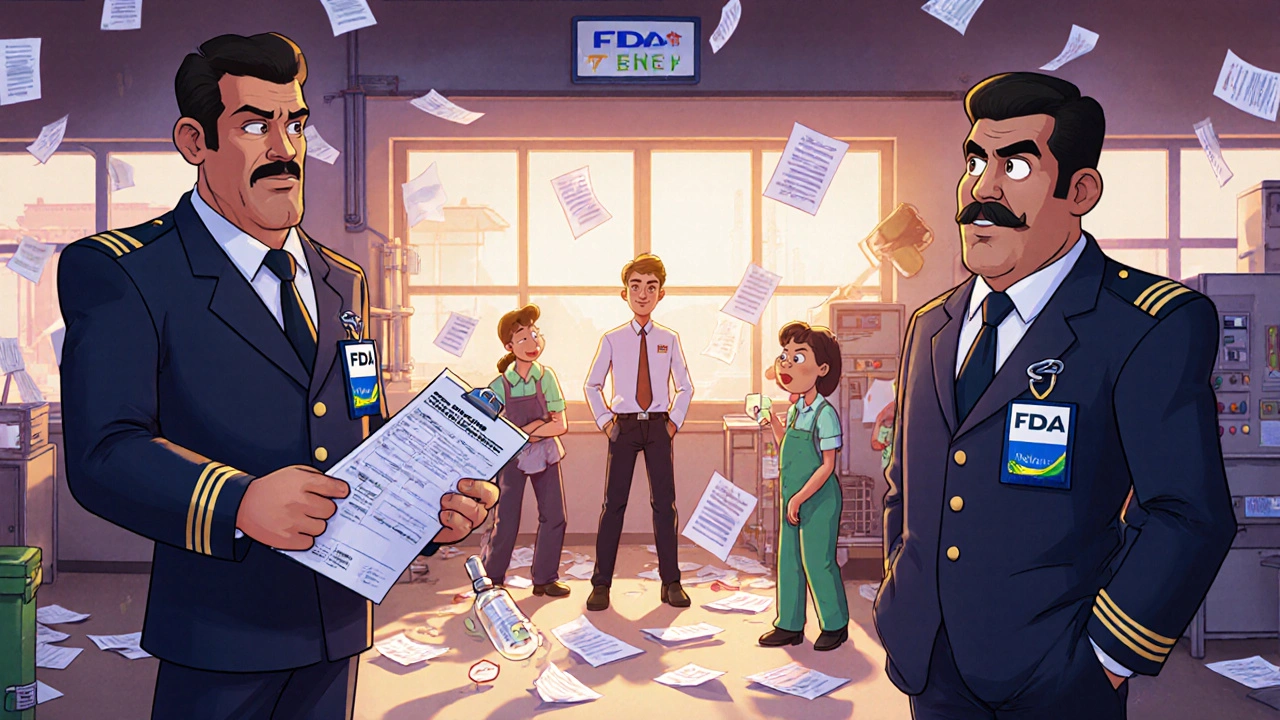
Unannounced FDA Inspections: Why Surprise Visits Are Critical for Drug and Food Safety
Unannounced FDA inspections ensure real-world compliance in drug and food manufacturing. Since May 2025, surprise visits now apply to foreign facilities too, closing a dangerous loophole. Learn how they work-and how to be ready without warning.
read more