
Formulary Changes: What They Mean for Your Medications and Costs
When your insurance plan makes a formulary change, a list of medications approved for coverage under a health plan, often updated by insurers or pharmacy benefit managers. Also known as a drug formulary, it determines which pills, injections, or inhalers your plan will pay for—and at what cost. These updates aren’t random. They happen because of new generics hitting the market, drug shortages, safety alerts, or negotiations between insurers and manufacturers. And if your medication gets pulled, you could suddenly be stuck paying full price—or worse, left without a treatment that works.
Formulary changes directly impact pharmacy benefits, the system insurers use to manage drug coverage, including tiered pricing, prior authorizations, and step therapy. For example, a drug might move from Tier 1 (low cost) to Tier 3 (high cost) because a cheaper generic became available. Or, a brand-name drug might be removed entirely because the insurer signed a deal with a competitor. These shifts are common: nearly 80% of Medicare Part D plans change their formularies each year. You might not get a letter until you show up at the pharmacy and get told your usual prescription isn’t covered anymore. That’s not a glitch—it’s standard practice.
But here’s what most people don’t realize: formulary changes aren’t just about money. They’re tied to medication access, how easily patients can obtain prescribed drugs based on insurance rules, geographic location, and provider networks. If your doctor prescribed a drug because it worked better for your condition, but your plan now only covers a different version, you might have to try three others first. That’s called step therapy. Or your drug might require prior authorization—meaning your doctor has to call in paperwork before you can get it. These hurdles don’t just waste time. They can make people skip doses, stop treatment, or end up in the ER.
What you’ll find in this collection are real stories and clear guides on how to handle these shifts. You’ll read about how generic heart meds became the default in formularies, why mail-order pharmacies are often the only way to afford maintenance drugs, and how the FDA’s approval process for generics shapes what’s on your formulary. You’ll see how patients managed when their blood pressure pills got swapped, how people dealt with mycophenolate side effects after switching formulations, and why some drugs get pulled during shortages—even if they’re still safe and effective. These aren’t theoretical issues. They’re daily realities for millions.
Formulary changes are inevitable. But you don’t have to be caught off guard. By understanding how these lists work, who makes the decisions, and what your rights are, you can protect your treatment, save money, and speak up when something doesn’t add up. Below, you’ll find practical advice from people who’ve been through it—and the facts you need to push back when your care is on the line.
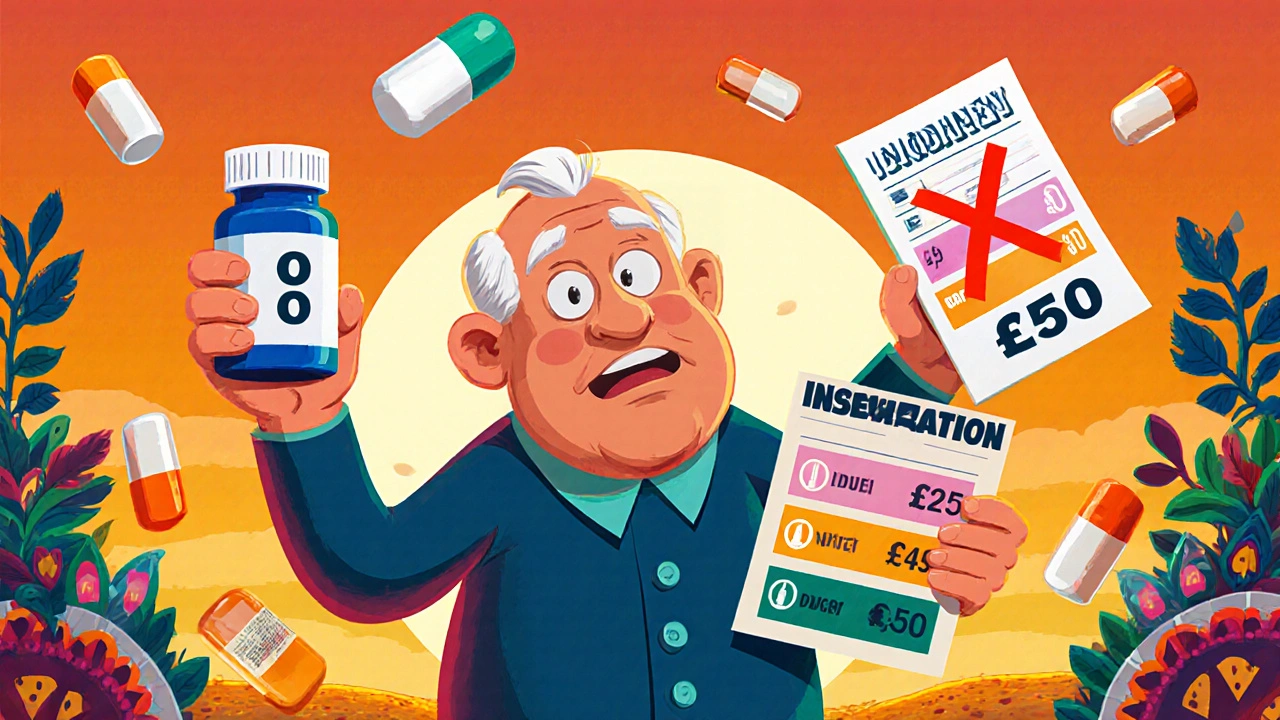
Insurance and Medication Changes: How to Navigate Formularies Safely in 2025
Learn how to navigate insurance formulary changes in 2025 to avoid costly medication disruptions. Understand tiers, exceptions, and how to protect your prescriptions before your next refill.
read more