
Generic Drug Acceptance: Why Some Patients Hesitate and What Really Matters
When you hear generic drug acceptance, the willingness of patients to use lower-cost versions of brand-name medications. Also known as generic medication adoption, it's not just a pharmacy policy—it's a personal decision shaped by fear, misinformation, and real experiences. Many people assume generics are just cheaper copies, but they’re required by law to have the same active ingredient, strength, dosage form, and route of administration as the brand-name version. The FDA doesn’t allow a generic to hit the market unless it proves it works the same way in the body. So why do so many still hesitate?
The real issue isn’t science—it’s perception. A 2023 survey of over 12,000 U.S. patients found that nearly 40% worried generics wouldn’t work as well, even when their doctor confirmed they were identical. This fear often comes from stories: someone switched to a generic blood pressure pill and felt dizzy, or a friend’s asthma inhaler seemed less effective. But in most cases, those changes weren’t caused by the drug itself—they were caused by switching brands, new packaging, or even the placebo effect wearing off. brand-name drugs, medications sold under a proprietary name by the original manufacturer benefit from decades of marketing, sleek packaging, and emotional trust. medication cost, the out-of-pocket price patients pay for prescriptions is the silent driver behind this hesitation. People don’t always realize that generics can save hundreds a year, especially for long-term meds like statins, antidepressants, or blood pressure pills. And those savings aren’t just for wallets—they’re for adherence. When a patient can afford their meds, they take them. When they can’t, their condition worsens.
Then there’s drug safety, the assurance that a medication won’t cause unexpected harm when used as directed. Generics undergo the same rigorous testing for purity, stability, and bioequivalence. But patients hear about recalls, or see different pill shapes, and assume something’s off. The truth? Generic manufacturers use different fillers and coatings. That’s why your new generic pill might look different or taste slightly odd. It doesn’t mean it’s less safe—it just means it’s made by a different company. In fact, many brand-name drugs are made in the same factories as their generics. The FDA inspects both equally. What’s missing isn’t quality—it’s clear communication. Doctors rarely explain the difference. Pharmacists are rushed. Patients are left guessing.
What you’ll find below isn’t a sales pitch for generics. It’s a collection of real stories, practical guides, and hard facts from people who’ve been there. From buying cheap generic Plavix online safely to understanding how extended expiration dates affect drug reliability, these posts cut through the noise. You’ll see how moisture control keeps pills effective, how lab monitoring catches hidden side effects, and why mail-order pharmacies help people stick to their meds. This isn’t about convincing you to choose generics. It’s about giving you the facts so you can decide for yourself—with confidence, not fear.
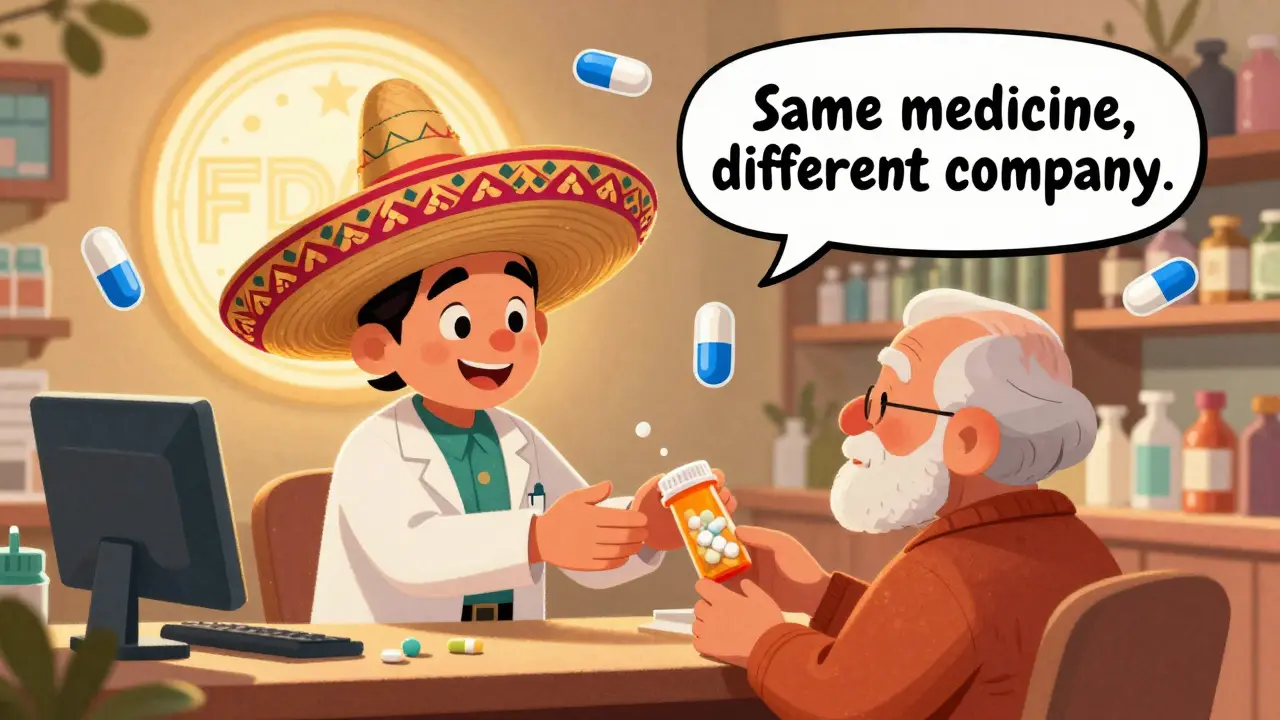
How to Build Patient Confidence in Generic Medications: Proven Strategies Based on Research
Most patients trust generics less than they should, even though they’re proven to be just as safe and effective. Learn how doctors and pharmacists can use simple, research-backed conversations to build real patient confidence in generic medications.
read more
Why Doctors Recommend Generic Medications - And Why Patients Still Hesitate
Doctors overwhelmingly support generic medications for their safety and cost savings - yet many patients still refuse them. This article explains why generics are just as effective, why doctors hesitate to prescribe them, and how patient perceptions shape real-world outcomes.
read more