
Insurance Medication Coverage: What’s Covered, What’s Not, and How to Save
When it comes to insurance medication coverage, the rules that determine which drugs your plan pays for—and how much you pay out of pocket. Also known as prescription drug coverage, it’s not just about whether a drug is approved by the FDA—it’s about whether your insurer considers it medically necessary, cost-effective, or interchangeable with a cheaper version. Many people assume if a drug is on the market, it’s automatically covered. That’s not true. Insurance companies use formularies—lists of approved drugs—that change every year. Some plans won’t cover brand-name drugs if a generic version exists, even if the brand works better for you.
That’s where generic drugs, medications that are chemically identical to brand-name versions but cost up to 80% less. Also known as generic medication, they go through the same FDA approval process as brand-name drugs through the Abbreviated New Drug Application (ANDA) system. The FDA doesn’t treat generics as second-rate—they’re held to the same safety and effectiveness standards. But your insurer might still make you jump through hoops: step therapy, prior authorization, or quantity limits. If your doctor prescribes a brand-name drug and your plan denies it, you can appeal. Many people don’t know this, but insurers are required to explain their decision in writing and let you challenge it.
Then there’s mail-order pharmacy, a simple way to cut costs on long-term medications by ordering 90-day supplies directly through your insurer’s partner pharmacy. Also known as home delivery pharmacy, it’s not just about convenience—it’s about savings. A 90-day supply often costs less than three separate 30-day fills, and some plans waive copays entirely for mail-order orders. But it’s not for everyone. If you need to switch meds often or take drugs that require cold storage, your local pharmacy might still be better. Still, for stable conditions like high blood pressure, diabetes, or thyroid issues, mail-order can save hundreds a year.
And here’s the thing: insurance medication coverage isn’t just about what’s on the list—it’s about how you use it. If you’re on a biologic for rheumatoid arthritis or a specialty drug for multiple sclerosis, your insurer might require you to try cheaper options first. That’s step therapy. If you’re on a drug that needs regular blood tests—like lithium or warfarin—you’ll need to track lab visits to keep your coverage active. Missing a test can mean your next prescription gets denied. That’s not a glitch—it’s policy.
Some plans even push you toward combination pills—like a single tablet that includes a statin and a blood pressure drug. These are called polypills. They’re cheaper, easier to take, and often preferred by insurers because they improve adherence. But not every doctor offers them. You have to ask. And if your doctor says no, ask why. Is it because it’s not right for you—or because they don’t know it’s covered?
The posts below cover real situations people face: how to get a drug approved after denial, why some generics cost less in the U.S. than in Europe, how to handle side effects without losing coverage, and how to use mail-order safely. You’ll find guides on managing medications like mycophenolate, gabapentin, and timolol under insurance rules. You’ll learn what to say when your pharmacy says "this isn’t covered," and how to use FDA approval data to back up your case. This isn’t theory—it’s what works when your wallet and your health are on the line.
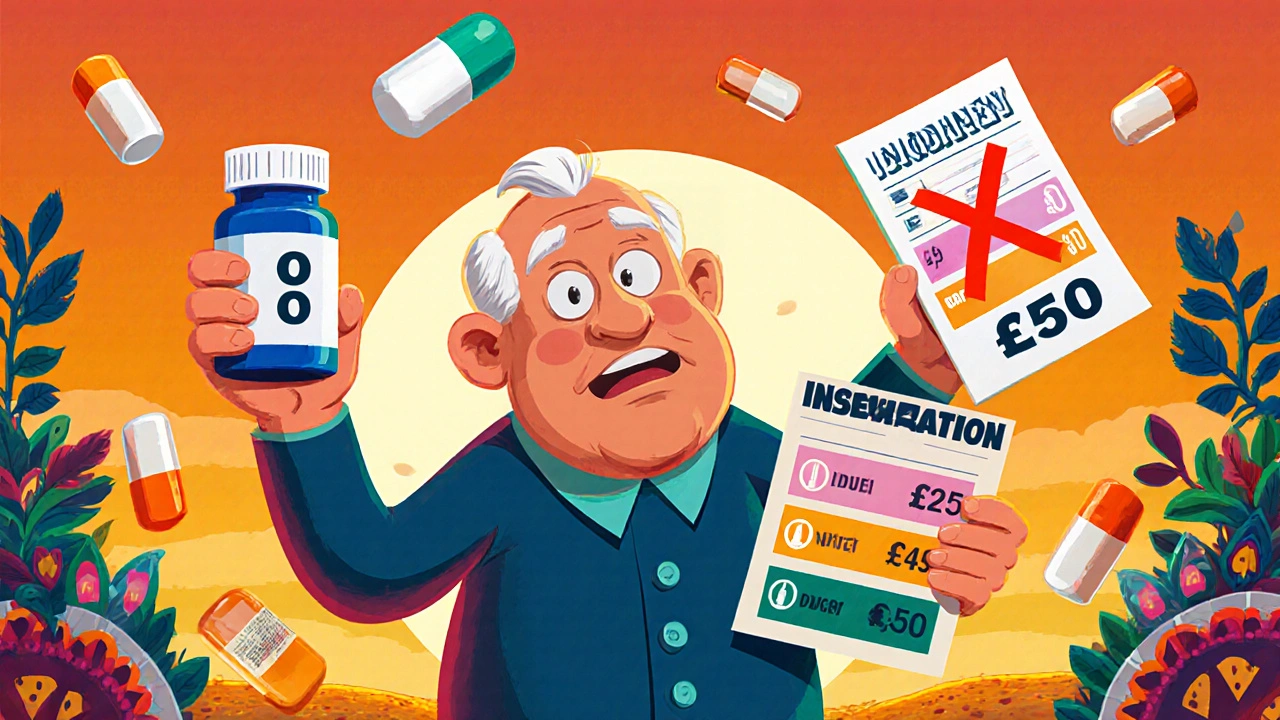
Insurance and Medication Changes: How to Navigate Formularies Safely in 2025
Learn how to navigate insurance formulary changes in 2025 to avoid costly medication disruptions. Understand tiers, exceptions, and how to protect your prescriptions before your next refill.
read more