
Medication Access: How to Get the Drugs You Need Without Overpaying
When you need a medicine to feel better or stay alive, medication access, the ability to obtain necessary drugs in a timely and affordable way. Also known as drug availability, it’s not just about whether a pill exists—it’s whether you can walk out of the pharmacy with it in your hand and not be left broke. Too many people skip doses, split pills, or go without because the price is too high, the pharmacy is too far, or the system feels designed to make it hard. But it doesn’t have to be this way.
Generic drugs, medications that work exactly like brand-name versions but cost a fraction of the price. Also known as brand equivalents, they’re approved through the FDA’s Abbreviated New Drug Application (ANDA) process, a system that proves a generic drug is bioequivalent to the original without repeating expensive clinical trials. That’s why Americans often pay less for generics than Europeans—because the U.S. system lets more companies compete after patents expire. And when you combine generics into a single pill, like a polypill, a combination of heart meds in one tablet to simplify treatment., you cut costs by up to 80% and make it easier to stick with your plan. Mail-order pharmacies take this further, offering 90-day supplies with free delivery and lower copays—perfect for chronic conditions like high blood pressure or diabetes.
But access isn’t just about price. It’s about timing. When a drug runs short, the FDA, the U.S. agency that oversees drug safety and approval. Also known as Food and Drug Administration, it can extend expiration dates on critical medicines to keep them in circulation. That’s not a loophole—it’s a lifeline. And when side effects like nausea from mycophenolate or drowsiness from antihistamines make you want to quit, knowing how to manage them keeps you on track. You don’t need to suffer in silence. You just need to know what options exist.
Behind every pill you take is a chain of decisions: who made it, how it was tested, how it’s priced, and who gets to use it. This collection of articles breaks down that chain. You’ll find real stories about people who saved hundreds with mail-order pharmacies, how doctors push for generics but patients still hesitate, and why some drugs get approved faster than others. You’ll learn how to ask for a polypill, how to store pills so they don’t go bad, and how to avoid dangerous combos like gabapentin with opioids. This isn’t theory. It’s what works for real people trying to stay healthy without going broke.
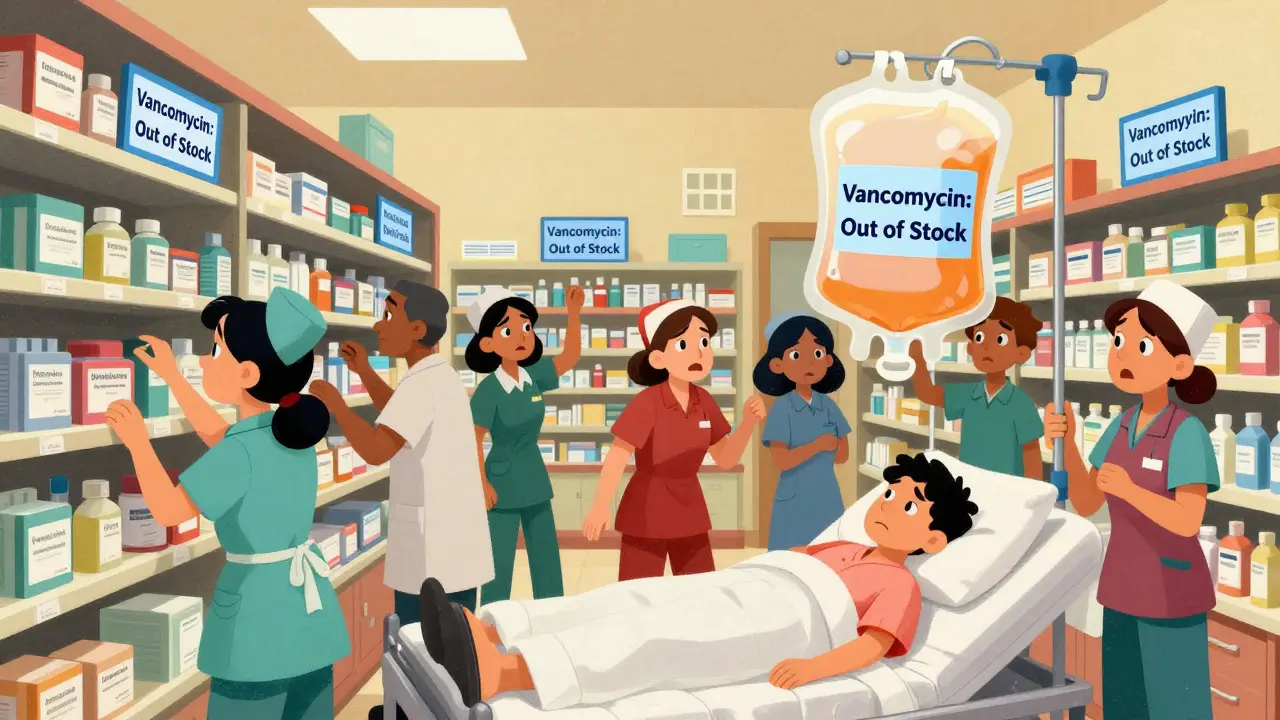
Generic Drug Shortages: Causes and How They Limit Patient Access
Generic drug shortages are rising, with 270 active in the U.S. as of 2025. These aren't random glitches-they're systemic failures that delay treatments, raise costs, and put patients at risk. Here's why they happen and how they impact care.
read more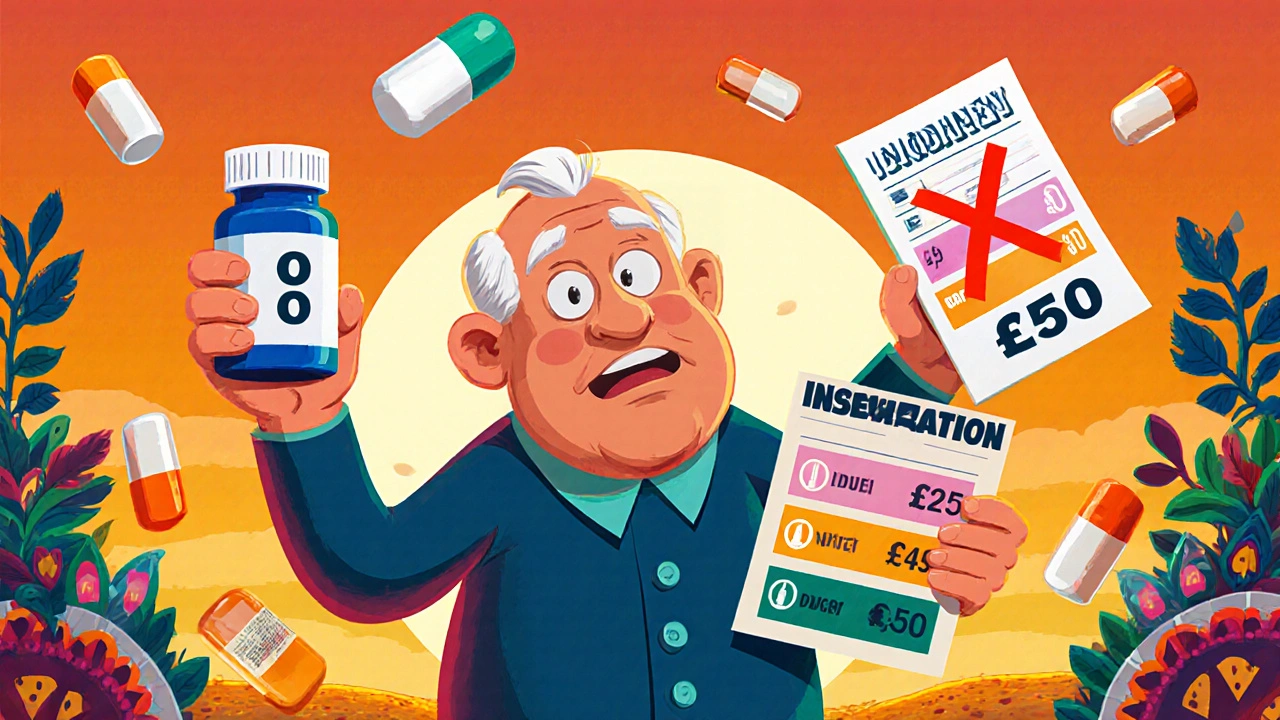
Insurance and Medication Changes: How to Navigate Formularies Safely in 2025
Learn how to navigate insurance formulary changes in 2025 to avoid costly medication disruptions. Understand tiers, exceptions, and how to protect your prescriptions before your next refill.
read more