
Generic Drugs and Medication Safety in 2025: What You Need to Know
When it comes to saving money on prescriptions, generic drugs, lower-cost versions of brand-name medications approved by the FDA as bioequivalent. Also known as generic medications, they make up over 90% of prescriptions filled in the U.S. and are just as safe and effective as their brand-name counterparts. Yet many people still hesitate to use them—often because they don’t understand how they’re made, approved, or priced. In 2025, the FDA’s Abbreviated New Drug Application (ANDA) process, the streamlined pathway that lets generic manufacturers prove their drugs match brand-name versions without repeating costly clinical trials remains the backbone of affordable access. But delays in inspections, supply chain issues, and foreign manufacturing rules are changing how fast these drugs reach shelves.
What you pay for your pills isn’t just about the drug itself—it’s tied to your insurance formulary, the list of medications your plan covers, grouped into tiers that determine your out-of-pocket cost. Also known as prescription drug tiers, these lists change every year, sometimes without warning. If your medication moves from Tier 2 to Tier 4, your monthly bill could jump by hundreds. That’s why knowing how to request exceptions, switch to combination generics like polypill heart meds, or use mail-order pharmacies for 90-day supplies matters more than ever. Meanwhile, medication safety, the practice of avoiding harmful interactions, side effects, and storage mistakes is becoming a daily priority. Mixing gabapentin with opioids? That can slow your breathing. Taking mycophenolate on an empty stomach? Nausea gets worse. Storing pills in a humid bathroom? Moisture can ruin them. Even something as simple as drinking enough water helps manage conditions like proctitis or prevent yeast infections after antibiotics.
Behind every pill is a system—regulated by surprise FDA inspections, shaped by international manufacturing rules, and influenced by how patients actually use their meds. In November 2025, the posts here cover everything from how triple inhalers cut COPD flare-ups to why Americans pay less for generics than Europeans. You’ll find real advice on injecting biologics safely, managing GI side effects, avoiding alcohol with antihistamines, and using lab calendars to catch dangerous drops in blood counts before they turn into emergencies. These aren’t theoretical guides. They’re the tools people are using right now to stay healthy, save money, and avoid costly mistakes. What you read here won’t just inform you—it’ll help you take control of your prescriptions before your next refill.
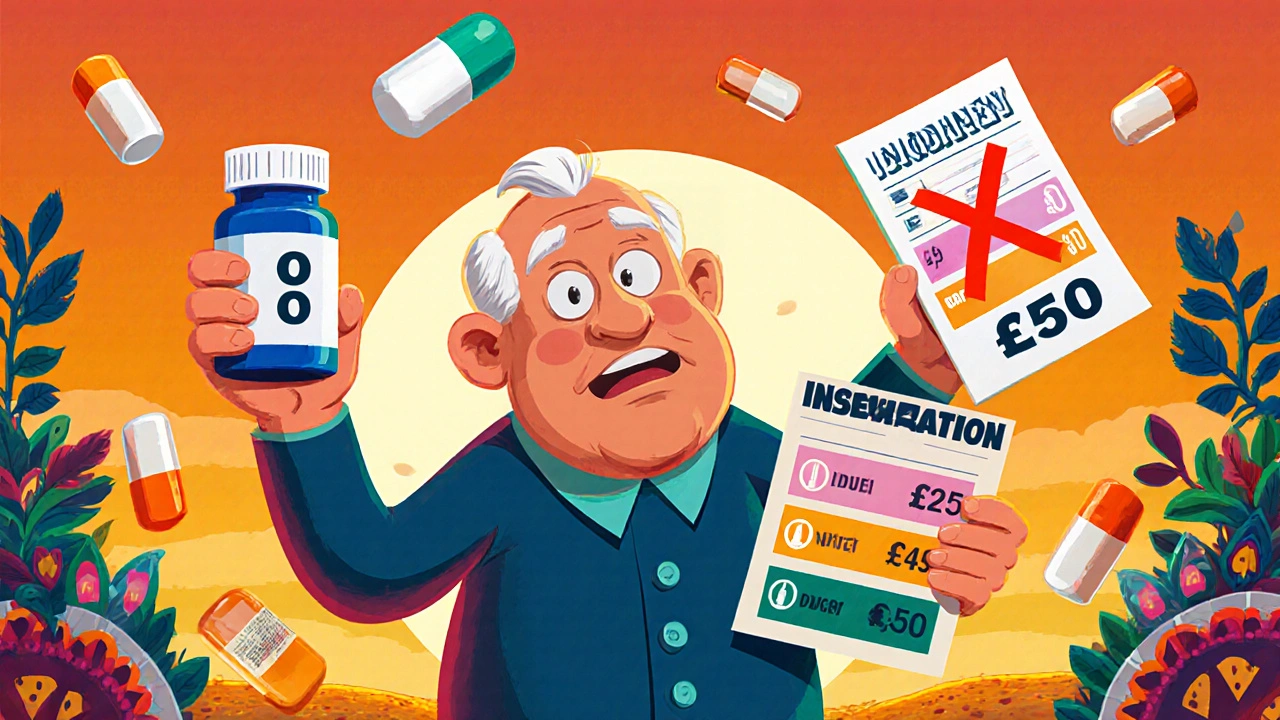
Insurance and Medication Changes: How to Navigate Formularies Safely in 2025
Learn how to navigate insurance formulary changes in 2025 to avoid costly medication disruptions. Understand tiers, exceptions, and how to protect your prescriptions before your next refill.
read more
Cardiovascular Combination Generics: What Works, What Costs Less, and What to Ask Your Doctor
Cardiovascular combination generics combine multiple heart meds into one pill, cutting costs by up to 80% and improving adherence. Learn which combos exist, how they work, and how to ask your doctor for them.
read more
FDA’s Abbreviated New Drug Application Process Explained: How Generic Drugs Get Approved
The FDA's ANDA process lets generic drugs reach the market faster and cheaper by proving they're equivalent to brand-name drugs-saving billions annually. Here's how it works, why it matters, and what delays approvals.
read more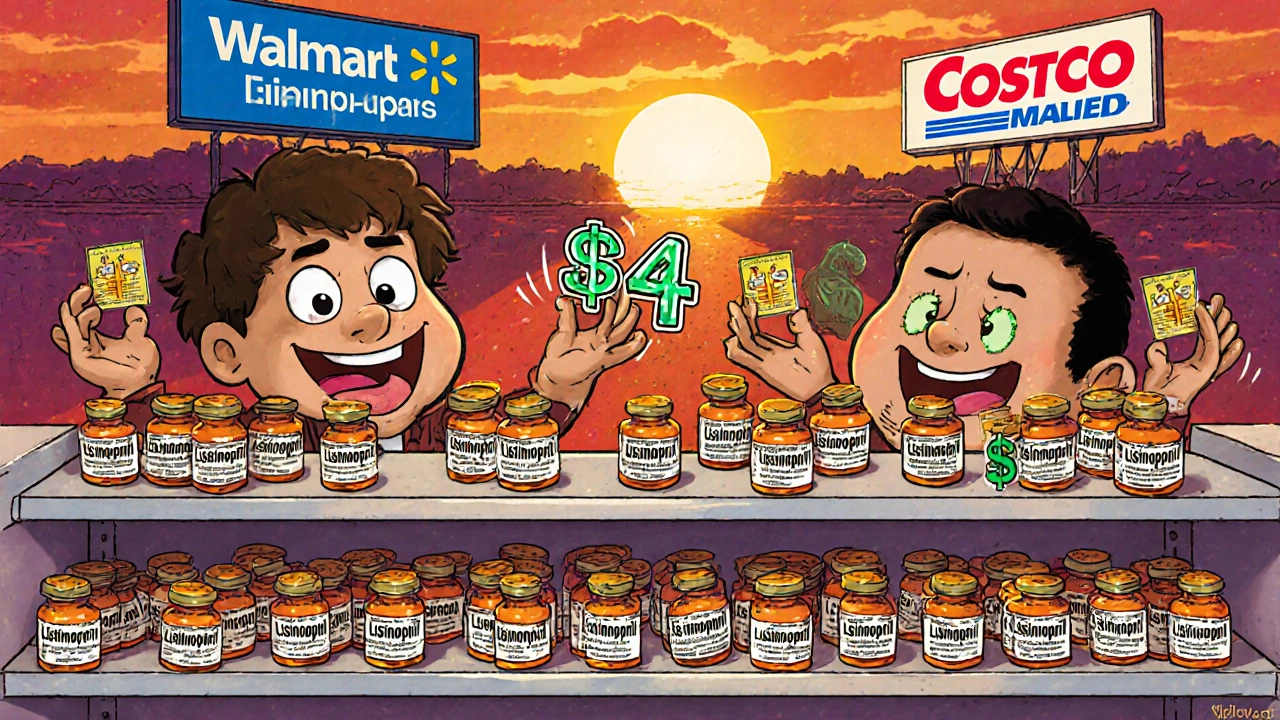
Generic Drug Prices: Why Americans Pay Less Than Europeans
Americans pay less for generic drugs than Europeans, but far more for brand-name medications. This article explains why the US and European systems create this pricing gap-and what it means for patients and global innovation.
read more
COPD Maintenance: How Triple Inhaler Therapy Reduces Exacerbations
Triple inhaler therapy combines three medications to reduce COPD exacerbations in high-risk patients. Learn who benefits most, the risks of pneumonia, adherence advantages, and how biomarkers guide treatment decisions.
read more
Presbyopia: What It Is, Why It Happens, and How Reading Glasses Help
Presbyopia is the natural loss of near vision that happens to everyone as they age. Learn how reading glasses, progressives, and other options help you see clearly again-without surgery or myths.
read more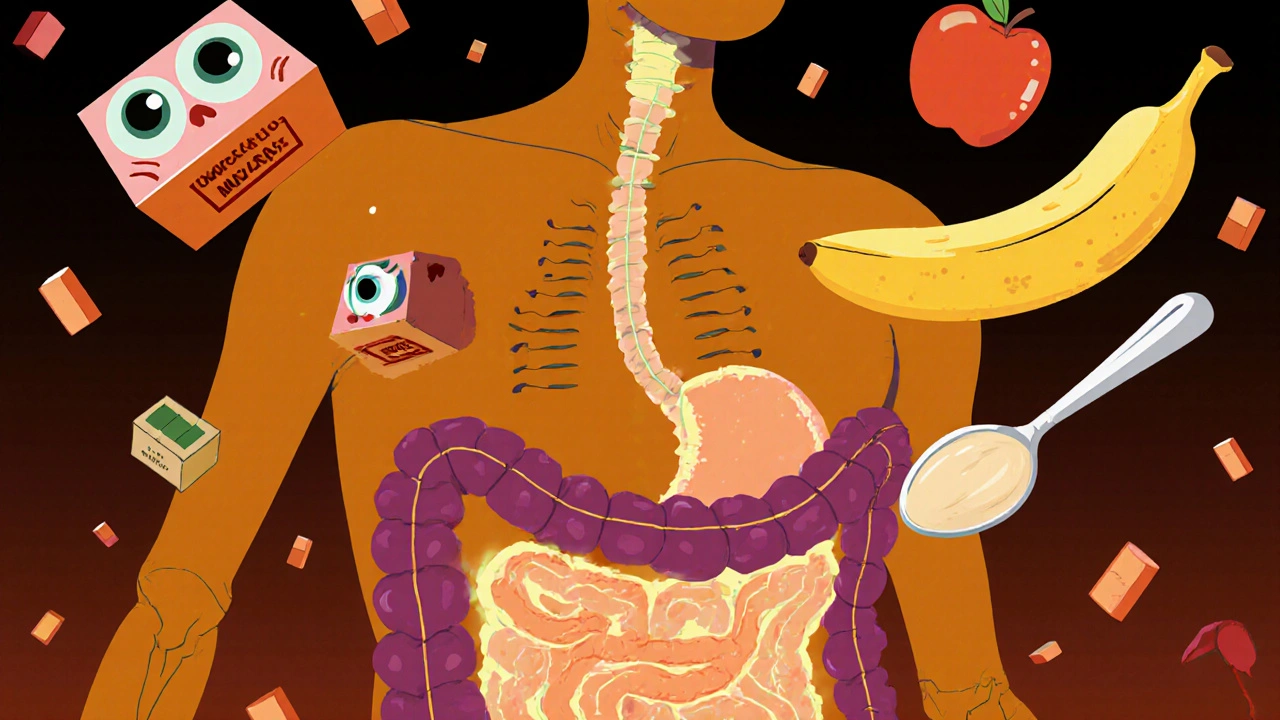
Mycophenolate GI Side Effects: How to Manage Nausea and Diarrhea
Mycophenolate commonly causes nausea and diarrhea, but these side effects can be managed with dose adjustments, timing changes, probiotics, or switching formulations. Learn what actually works based on clinical data and patient experience.
read more
Mail-Order Pharmacy Cost Savings: Pros and Cons
Mail-order pharmacies offer 90-day supplies of maintenance medications at lower costs, improving adherence and saving hundreds annually. Learn the real pros, cons, and who benefits most.
read more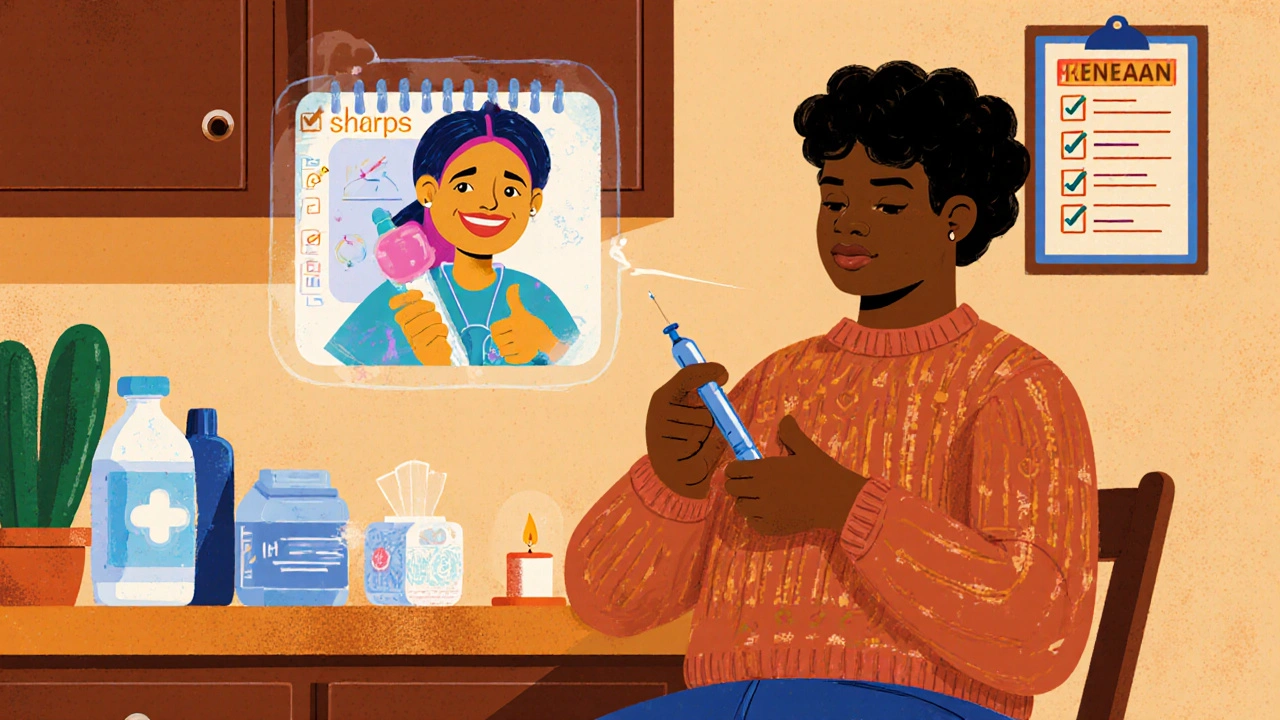
Biologic Therapies: How to Inject Safely and Avoid Infections
Learn how to safely inject biologic therapies at home, avoid common mistakes, and reduce infection risks with proper technique, training, and hygiene practices.
read more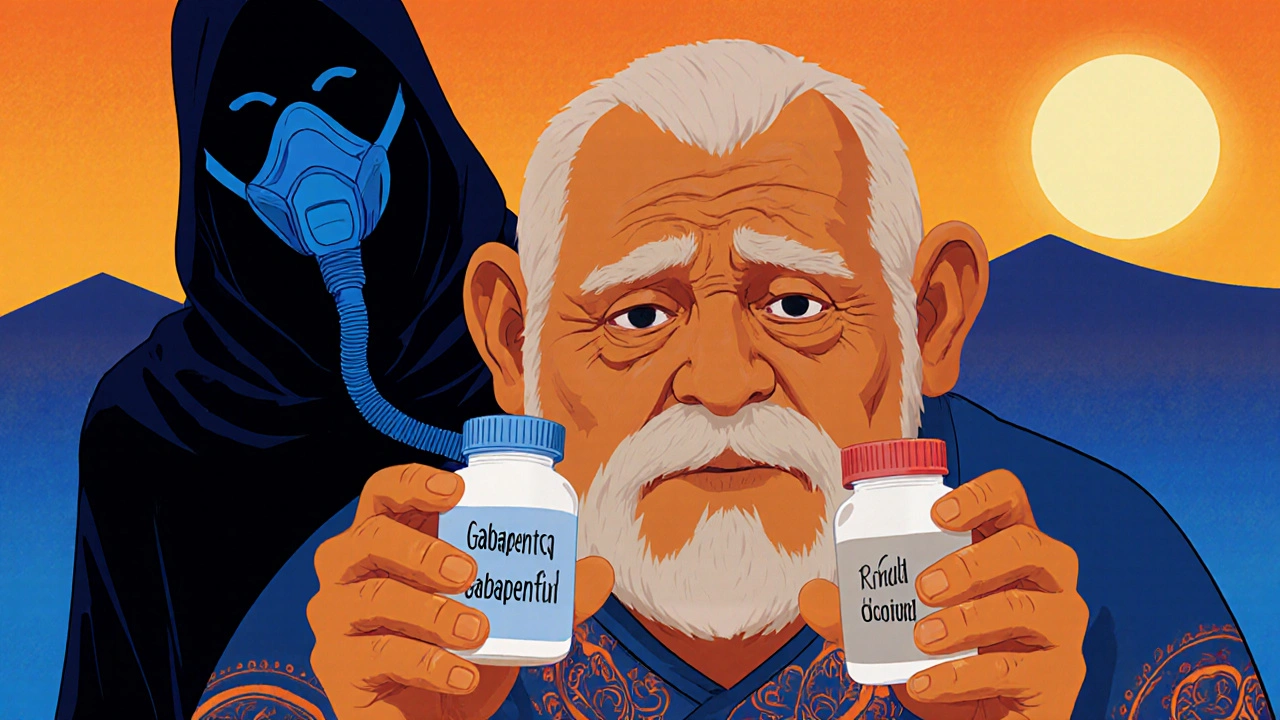
Gabapentinoids and Opioids Together: What You Need to Know About Respiratory Risks
Combining gabapentinoids like gabapentin or pregabalin with opioids can increase the risk of dangerous respiratory depression, especially in older adults or those with lung conditions. Learn who's at risk and what to do.
read more