
Statin Side Effects: What You Need to Know Before and After Taking Them
When you take a statin, a class of drugs used to lower LDL cholesterol and reduce heart attack risk. Also known as HMG-CoA reductase inhibitors, these pills are among the most prescribed medications in the world because they save lives. But for many people, the fear of side effects stops them from taking them—or makes them quit too soon.
Not all statin side effects are the same. The most common one is muscle pain, a dull ache or weakness, often in the thighs or shoulders. It’s not always the statin causing it—aging, inactivity, or other meds can mimic it. But if the pain starts after you begin a statin, talk to your doctor. You might need a lower dose, a different statin, or a break. Less common but more serious is liver enzyme changes, a rise in liver enzymes seen on blood tests. This doesn’t mean your liver is damaged—it’s just a signal your body is reacting. Most cases go back to normal without stopping the drug.
Some people worry about diabetes risk or memory loss. Studies show a tiny increase in new-onset diabetes, mostly in people already at risk. Memory complaints? The FDA reviewed this and found no clear link. What you *do* notice—like brain fog or fatigue—could be from stress, sleep loss, or other meds. Don’t assume it’s the statin. Track symptoms, note timing, and bring your log to your doctor. They can help you tell the difference between side effects and coincidence.
What you won’t find in most articles: statin intolerance isn’t always about the pill. Sometimes it’s about how you take it. Taking statins at night? That’s best for some. Taking them with grapefruit juice? That’s risky for a few. Skipping meals? That can make muscle pain worse. Small changes like these can make a big difference.
And if you’ve stopped your statin because of side effects, you’re not alone—but you might be putting yourself at risk. Heart attacks don’t announce themselves. The real danger isn’t the side effect—it’s not treating the high cholesterol that caused the problem in the first place.
Below, you’ll find real-world advice from people who’ve been there: how to manage muscle soreness without quitting, what blood tests actually matter, why some statins cause fewer issues than others, and how to work with your doctor to find a version that fits your body—not just your prescription pad.
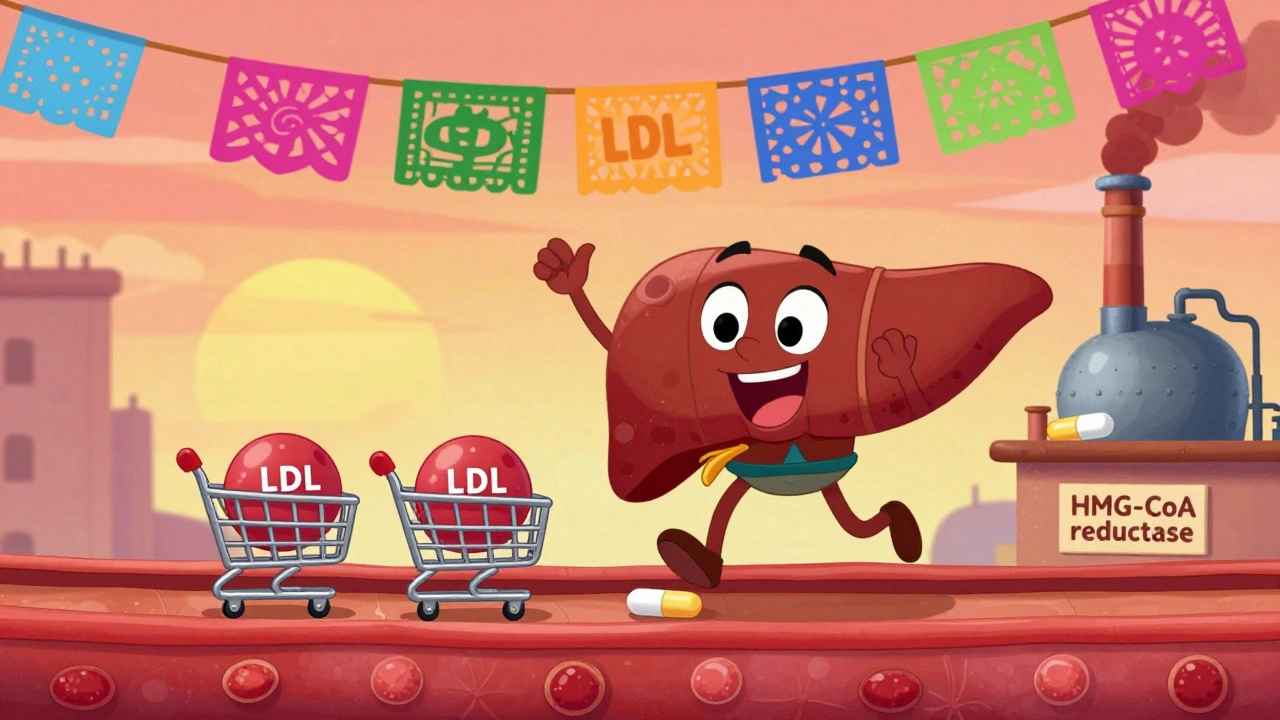
Statin Medications: What They Do for Cholesterol and Why Muscle Pain Happens
Statins lower LDL cholesterol by up to 60% and cut heart attack risk significantly, but muscle pain affects up to 1 in 10 users. Learn how to manage side effects without losing protection.
read more