
Generic Drugs: What They Are, Why They Work, and How They Save You Money
When you hear generic drugs, pharmaceutical products that contain the same active ingredients as brand-name drugs but are sold under their chemical name. Also known as non-branded medications, they are approved by the FDA to work exactly like their brand-name counterparts—same dose, same safety, same side effects. Yet many people still hesitate to take them, thinking they’re inferior. That’s not true. Generic drugs are the backbone of affordable healthcare, used by millions every day to manage high blood pressure, diabetes, depression, and more.
The biggest difference between generic and brand-name drugs is the price. A generic version of a blood pressure pill can cost 80% less than the brand. That’s not magic—it’s science. Once a brand-name drug’s patent expires, other companies can make the same medicine without repeating expensive clinical trials. They just prove it behaves the same way in the body. The FDA requires this. Companies don’t cut corners. They follow the same strict rules for manufacturing, purity, and quality. That’s why generic heart meds, medications like lisinopril or atorvastatin that treat heart conditions at a fraction of the cost are so widely prescribed. And it’s why generic blood pressure meds, drugs like hydrochlorothiazide or metoprolol that control hypertension without breaking the bank are often the first choice for doctors.
But cost isn’t the only reason generics matter. They help people stay on their meds. When a pill costs $5 instead of $50, people don’t skip doses. They don’t split pills in half. They don’t stop taking them altogether. That’s why combination generics—like a single pill with three heart medications—are becoming more common. They simplify routines and cut costs even further. And they’re not just for older adults. Younger people with chronic conditions rely on them too. Even if you’ve never taken a generic, you’ve probably benefited from them. Most prescriptions filled in the U.S. are generics.
Still, confusion lingers. Some think generics are made in shoddy factories. Others believe they’re less effective because they look different. But the color, shape, or filler ingredients don’t change how the drug works. Only the active ingredient matters—and that’s identical. The FDA inspects every facility making generics, whether it’s in the U.S. or overseas. Surprise inspections are now routine. If a factory fails, it’s shut down. You’re not taking a risk when you choose a generic—you’re making a smart, science-backed decision.
Doctors recommend generics because they work. Patients still hesitate because of myths. This collection of articles cuts through the noise. You’ll find real data on why Americans pay less for generics than Europeans, how to ask your doctor for a generic version, and what to do if your insurance switches your pill. You’ll see how combination generics like polypills help heart patients stick to treatment. You’ll learn how to spot counterfeit drugs and why proper storage matters—even for generics. And you’ll see how people just like you saved hundreds, avoided insurance disruptions, and stayed healthy using these medications.
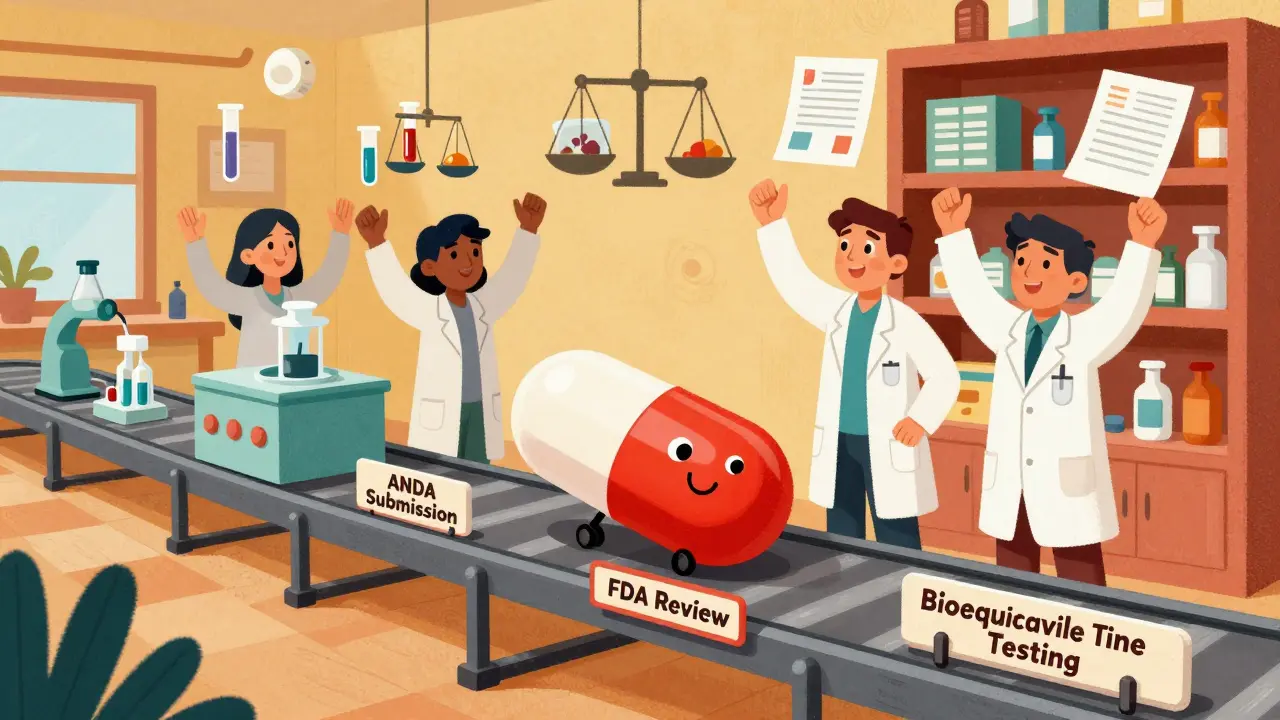
From ANDA to Shelf: How Generic Drugs Reach Retail Pharmacies
Learn how generic drugs go from FDA approval via ANDA to your pharmacy shelf. Understand the timeline, key players, and hidden challenges behind affordable medications.
read more
Generic Prescribing Incentives: How Rewards Shape Provider Decisions
Generic prescribing incentives reward doctors for choosing lower-cost generic drugs, saving billions annually. But how do these programs affect clinical decisions-and patient trust?
read more
Authorized Generics: Same Drug, Different Label - What You Need to Know
Authorized generics are the exact same drug as the brand-name version, just without the brand label. Learn how they work, why they're cheaper, and how to ask for them at the pharmacy.
read more
How Insurers Save Millions on Generic Drugs Through Bulk Buying and Tendering
Insurers save billions on generic drugs through bulk buying and tendering, but hidden pricing practices often prevent patients from seeing those savings. Learn how it works-and how to get the best price.
read more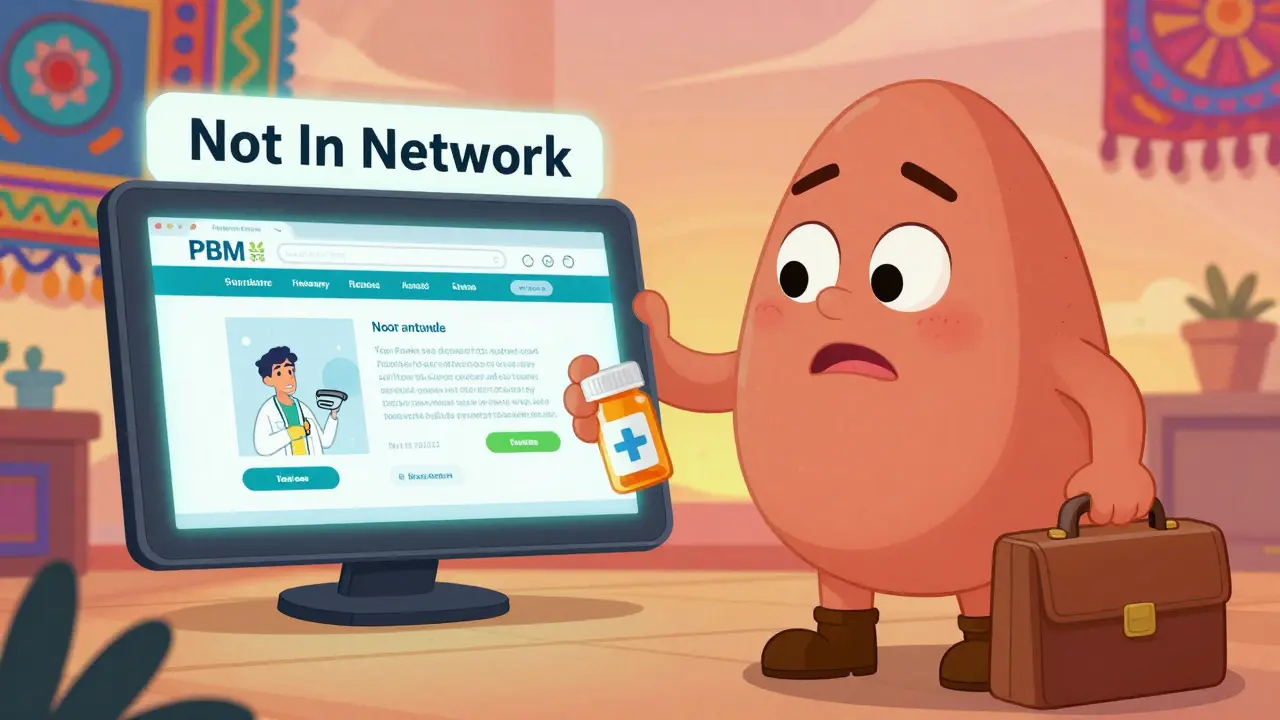
Insurance Coverage of Online Pharmacy Generics: What You Need to Know in 2025
Learn how insurance covers generic drugs from online pharmacies in 2025, including mail-order vs. independent sites, RxPass, formulary rules, and how to save money without getting stuck with unexpected bills.
read more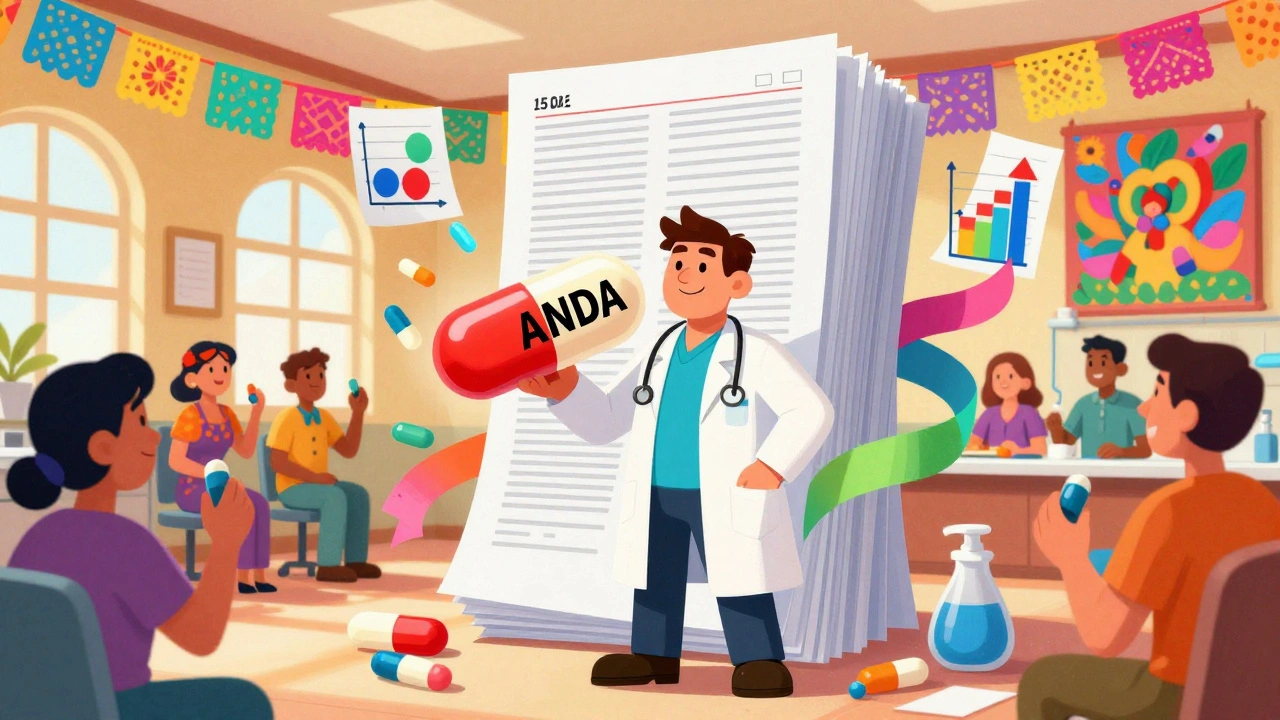
FDA Regulatory Authority: How the Agency Approves Generic Drugs
The FDA ensures generic drugs are as safe and effective as brand-name drugs through the ANDA process. Learn how bioequivalence, manufacturing standards, and regulatory oversight make generics affordable without compromising quality.
read more
FDA’s Abbreviated New Drug Application Process Explained: How Generic Drugs Get Approved
The FDA's ANDA process lets generic drugs reach the market faster and cheaper by proving they're equivalent to brand-name drugs-saving billions annually. Here's how it works, why it matters, and what delays approvals.
read more