
Archive: 2026/01 - Page 2
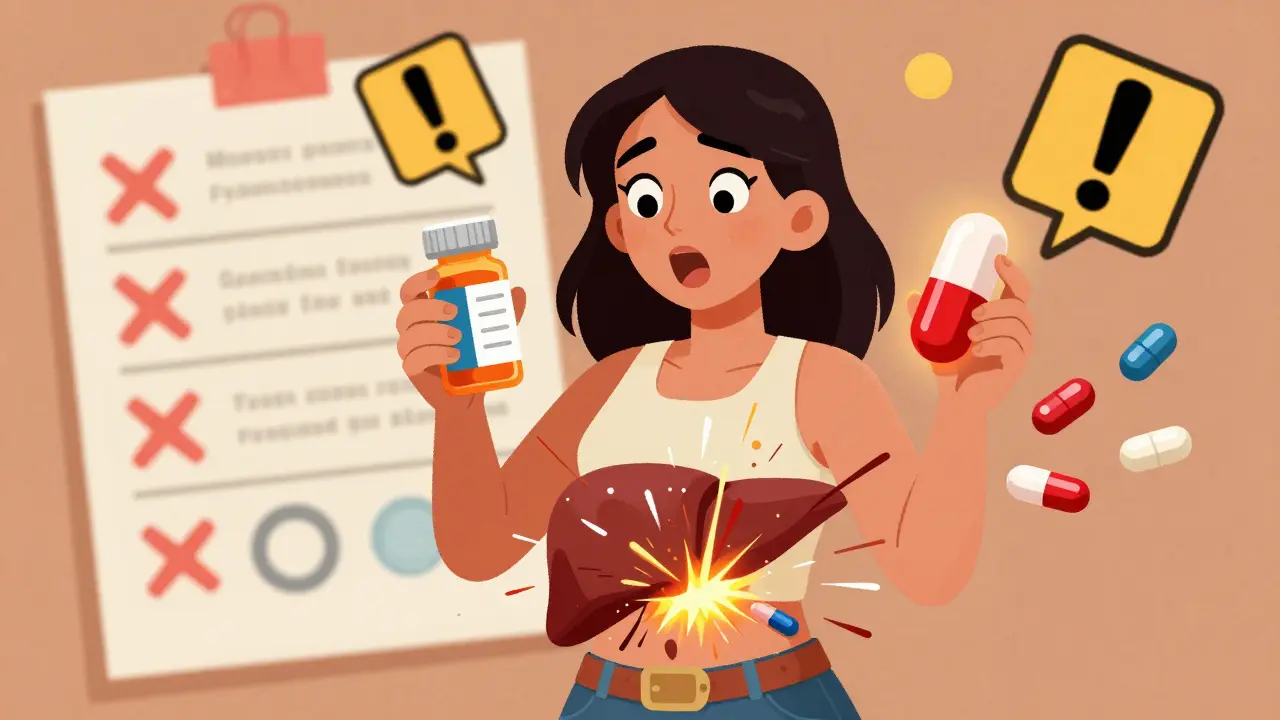
Rifampin and Birth Control: What You Need to Know About Contraceptive Failure Risks
Rifampin can make birth control pills ineffective by speeding up hormone breakdown. Learn why only rifampin - not other antibiotics - poses this risk, how long the danger lasts, and what backup methods actually work.
read more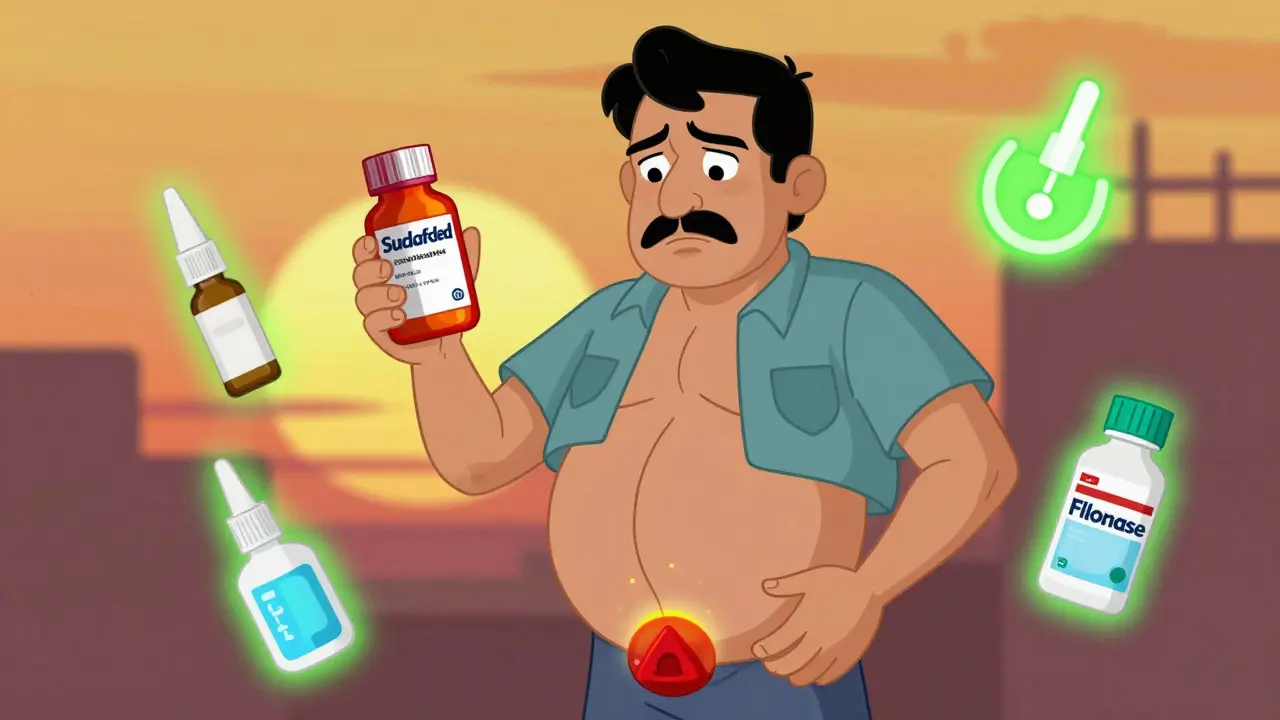
Benign Prostatic Hyperplasia and Decongestants: What You Need to Know About Urinary Retention Risk
Men with enlarged prostates (BPH) face serious urinary retention risks from common decongestants like pseudoephedrine. Learn why Sudafed can cause emergencies and what safer alternatives actually work.
read more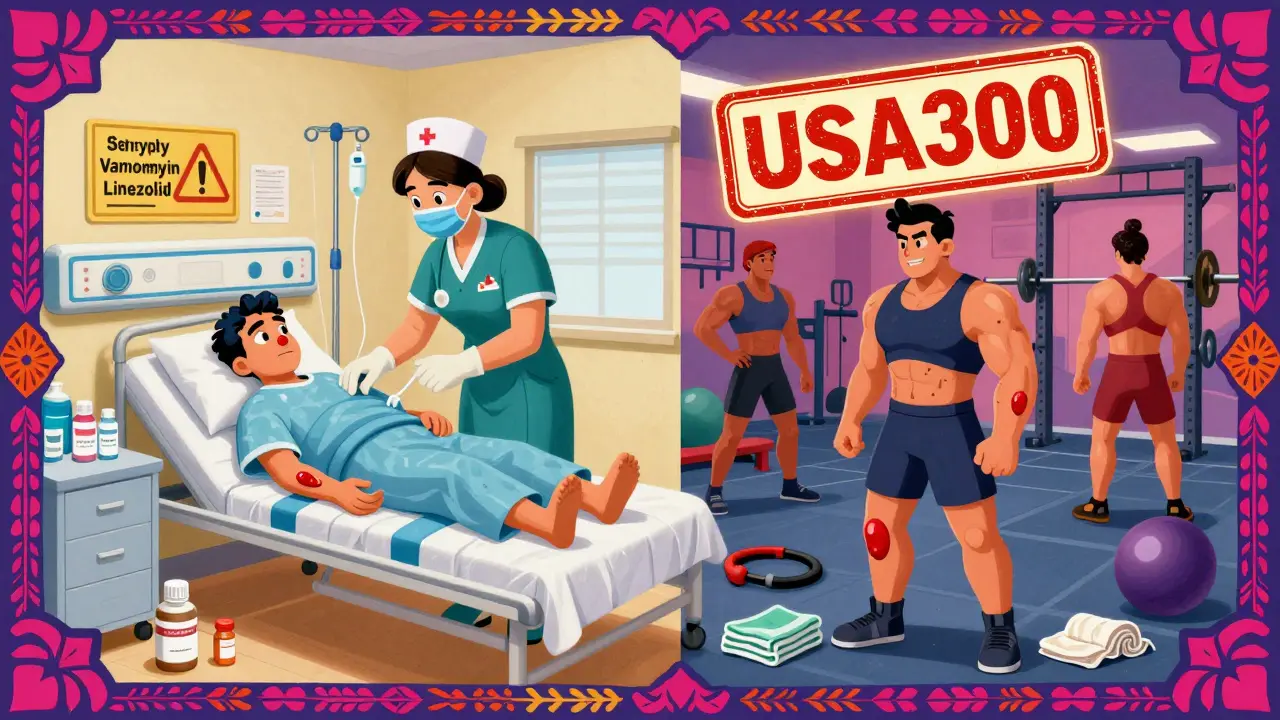
MRSA Infections: How Community and Hospital Strains Differ in Spread and Treatment
MRSA infections come in two forms: community and hospital strains. They spread differently, resist different antibiotics, and require unique treatments. Understanding the difference can save lives.
read more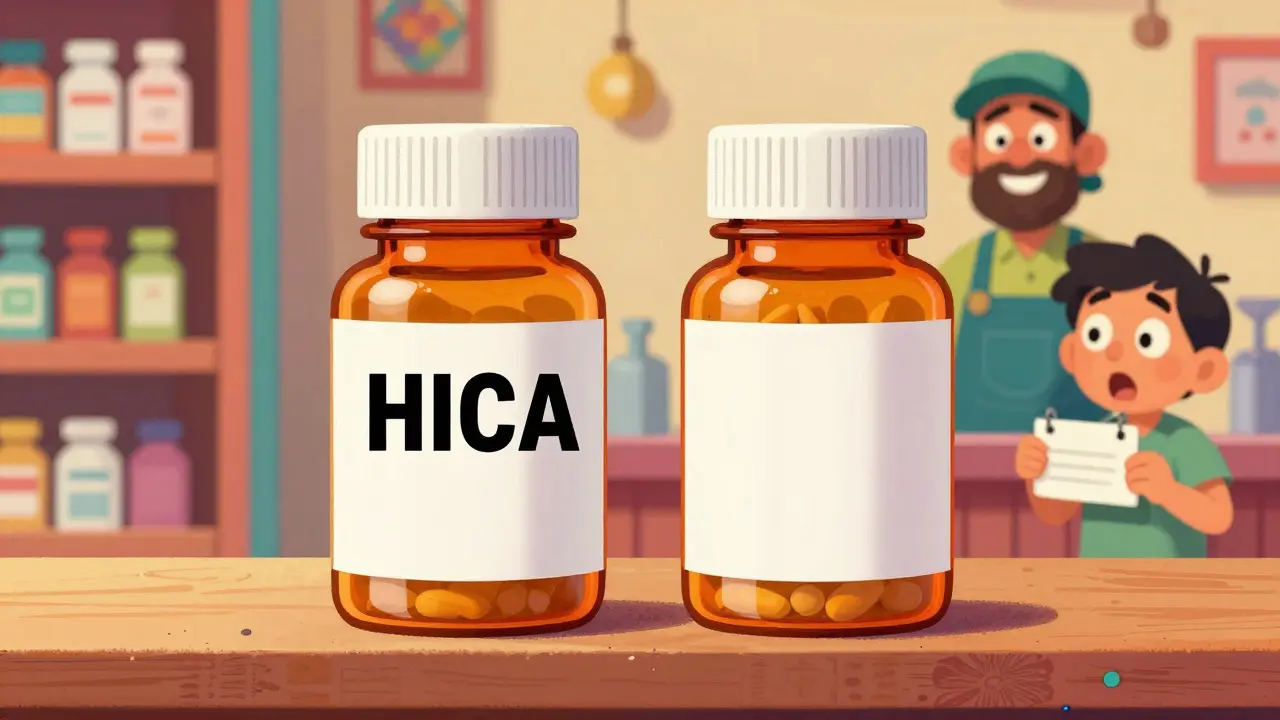
Cost Comparison: Authorized Generics vs First-to-File Generics in the U.S. Drug Market
Authorized generics and first-to-file generics both lower drug costs, but authorized generics drive prices down faster and deeper during the critical 180-day exclusivity window, saving consumers and insurers significant money.
read more
Influenza vs. COVID-19: Testing, Treatment, and Isolation Guidance for 2026
Flu and COVID-19 look similar but require different testing, treatment, and isolation strategies. Learn the latest 2026 guidelines for accurate diagnosis, effective antivirals, and safe isolation to protect yourself and others.
read more
How to Check If a Generic Medication Is Available for Your Prescription
Learn how to check if a generic version of your prescription is available and how to save up to 98% on medication costs. Know when generics are safe, how to ask your pharmacist, and which tools to trust.
read more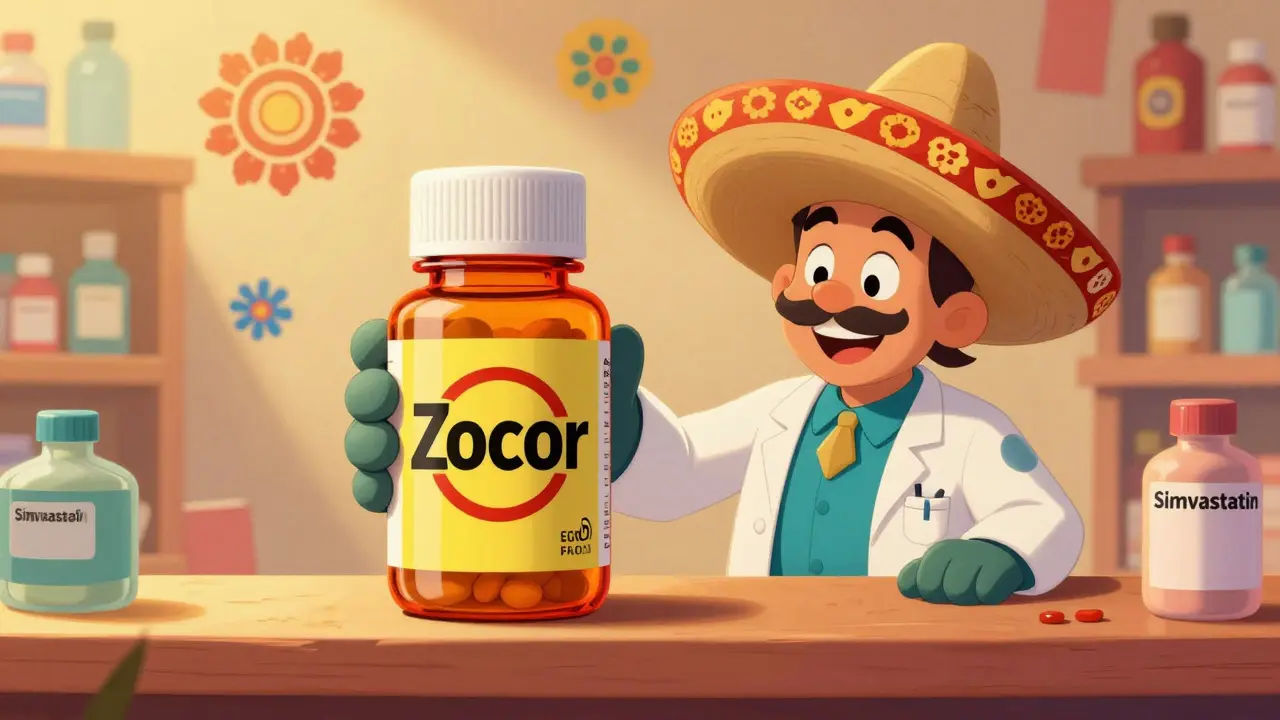
Authorized Generics: Same Drug, Different Label - What You Need to Know
Authorized generics are the exact same drug as the brand-name version, just without the brand label. Learn how they work, why they're cheaper, and how to ask for them at the pharmacy.
read more
Online Reviews: How Patient Experiences Shape Trust in Generic Medications
Online reviews shape how patients view generic medications-even when science says they're identical to brand-name drugs. Learn why perceptions matter more than pills, and how to build trust in affordable treatment.
read more
Intranasal Corticosteroids vs Antihistamines: Which Works Better and When to Use Them
Intranasal corticosteroids are more effective than antihistamines for nasal allergy symptoms like congestion and runny nose, even when used only as needed. Learn why they’re the better first-line choice and how to use them right.
read more
Social Media Education for Patients: Using Digital Platforms to Teach Generics
Social media is transforming how patients learn about generic medications. Learn which platforms work best, how to create trustworthy content, and why real patient stories beat brochures every time.
read more